Jump To Section

Learn From The Pros
Do Daddy Long Legs Bite? That’s complicated. The name “daddy long legs” can actually refer to three different creatures, and whether they can bite depends on which one you’re talking about. The myth that they have the world’s most potent venom but can’t bite is entirely false.
Few bugs are as misunderstood as the daddy long legslong-legs. Depending on who you ask, they’re either deadly spiders, harmless garden wanderers, or giant mosquitoes waiting to bite. So, we thought we could set a few rumors straight and give answers to common questions such as “Do daddy long legs bite?”
To get to the truth, let’s first look at who these long-legged creatures actually are.
Who Exactly Are Daddy Long Legs?
The name daddy long legs has been given to not one, but several different creatures, all with unique behaviors.
- Harvestmen are arachnids that resemble spiders, but aren’t. They have a fused body as opposed to segmented, and they do not spin webs nor have venom.
- Cellar Spiders are true spiders who spin webs.
- Crane Flies are very large flying insects that resemble mosquitoes, but they don’t bite.
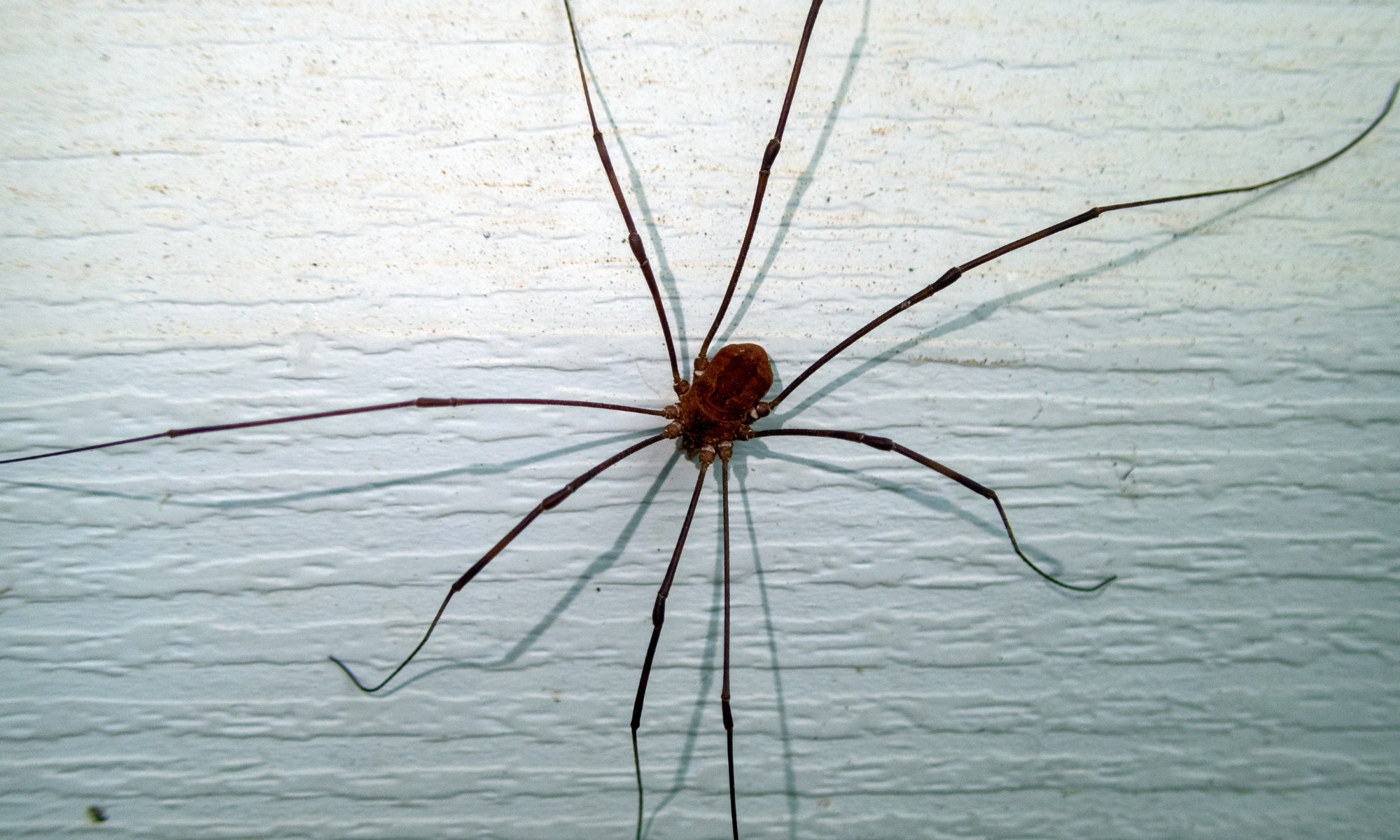
You can probably see why there is confusion surrounding daddy long legs…the answers to do daddy long legs bite and other similar questions can vary depending on which bug you’re talking about.
Fun Fact: To be even more confusing, daddy long legs isn’t even their only nickname. These bugs also go by the name grandaddy long legs.
Daddy Long Legs: Myths vs. Facts
Myths happen when somewhere down the line, small details change as people share stories and experiences. In the case of daddy long legs, those tales have become even more convoluted because of the confusion surrounding these three different species.
Myth #1: Daddy Long Legs Are the Most Venomous Spiders
This first myth claims that daddy long legs are the most venomous spiders on the planet, but their fangs are too small to puncture human skin. It’s a creepy story that has been repeated many times over, but it is simply not true.
Fact: Harvestmen don’t even have venom glands. Crane flies don’t have fangs or venom at all. Cellar spiders do have venom, but it’s extremely weak and harmless to humans. Studies confirm that their fangs can pierce skin, but the result is no worse than a mild pinprick.
So, do daddy long legs bite in a dangerous way? Absolutely not. No matter which of these creepy-crawlies, their venom is either non-existent or too mild to matter.
Myth #2: Daddy Long Legs Regularly Bite Humans
Another common misconception is that daddy long legs often bite humans.
The fact is Harvestmen cannot bite at all because they lack fangs. They use small chewing mouthparts for nibbling on fungi, decaying plants, and insect remains, but not human skin. Crane flies don’t bite either; they may look like supersized mosquitoes, but their adult stage is devoted to mating, not feeding. Cellar spiders are the only daddy long legs that could bite, but they almost never do, and when they do…it’s harmless.
Myth #3: They Have More Venom Than Any Other Spider
We’re not sure how the rumor started, but saying that these arachnids have more venom than the brown recluse is pretty preposterous. Daddy long legs don’t produce toxins so if one crawls up your arm while you’re outside, you’re not in danger of being harmed.
That wouldn’t be the case if your nosey visitor was a spider like the brown recluse or black widow who definitely has the power to bite and release toxic venom into your skin. To go another step further, the Sydney funnel-web spider is one of the most venomous spiders in the world and one spider you don’t want to cross. Thankfully, they’re not found in New Jersey, but if you go to the Land Down Under (Where apparently all terrifying creatures roam!), you just might meet one.
If you’ve ever wondered what other spiders are contenders for being the most venomous, here’s a shocking list:

It’s important to note that just because these distant cousins have high levels of venom in their bodies, doesn’t mean they’re considered medically dangerous. Many of them will avoid you, and if they happen to cross your path, the chances are they won’t bite. However, that’s not always the case for black widow spiders and brown recluses so if you see one, it’s best to stay away and call us to help remove it
Myth #4: If a Daddy Long Leg Loses a Leg, It Will Regrow
Unfortunately, this myth may have led to many kids cruelly pulling off the limbs of these arachnids. No, daddy long legs won’t regrow a limb if it’s been lost. Some creatures, like starfish and lizards, can regenerate lost limbs or tails, but this is not the case for any of these long-legged critters.
They’ll often lose legs due to escaping predators or males fighting each other. If you see a daddy long leg missing a limb, it won’t grow back. But just like many other creatures on this planet, it is a survivor and will adapt.
Myth #5: Daddy Long Legs Like to Travel Great Distances
You might think that those long legs of theirs could really take them places, but would you be surprised to discover that they don’t move much farther than the area they live in? Their safety depends on their hiding skills, and they spend most of their time concealed in cracks and crevices outdoors. Though, they occasionally make their way into your basement or other easy access spaces.
These long-legged creepers only venture out of hiding to hunt prey, scavenge for food, or mate. If you have clusters of daddy long legs living in your yard, shed, or home, they probably were born there and are well acclimated to the area and don’t want to leave.

Myth #6: Daddy Long Legs are Blind
There’s a tale that these long-legged spiders are blind. While they don’t have good vision, they can certainly see. Their simple eyes allow them to see light and perhaps some blurry shadows. Even so, they do feel at home in dark attics, damp basements, or crawl spaces—often using their legs to sense vibrations from the world around them.
Myth #7: All Daddy Long Legs Die in Winter
Winters in the Garden State can be brutal, and many outdoor arachnids and insects don’t survive. Although plenty of daddy long legs are among them, even more survive. Millions of years of existence have built quite a resilience in these crawling arachnids, and they have been known to live through the coldest months in many parts of the world.
Gathering in large groups is one of their best survival mechanisms in frigid weather. These mounds of daddy long legs use each other to keep safe and warm. These mounds of harvesters are harmless, but they look like something out of an arachnophobics’ worst nightmare.
Do Daddy Long Legs Bite Other Insects?
While they pose no danger to humans, some types of daddy long legs do bite other insects. Cellar spiders bite and inject venom into prey trapped in their webs. Harvestmen don’t inject venom but will chew on weakened insects or scavenge carcasses. Crane flies, however, don’t bite anything during their adult stage, focusing solely on reproduction.
So yes, in the bug world, “daddy long legs” can be predators—but never toward humans.
Why Myths Still Exist
So why won’t these myths go away? Fables about daddy long legs continue because they sound just scary enough to spread, and they make for very entertaining campfire fodder. People see a spindly-legged “spider” or “giant mosquito” and assume danger. Add in the fact that three different creatures share the same nicknames, and it’s easy to see how confusion takes hold. After all, stories about deadly bites and world-traveling spiders make for great folklore.
Calling the Pros: Enough of the Myths, Now for the Facts
When the myths are stripped away, the facts are pretty simple. Do daddy long legs bite? Not in any way that really matters to people. They’re not secret killers hiding in your home, but misunderstood creatures that either help by controlling pests, recycle nutrients in nature, or flutter harmlessly around your porch light. Far from being frightening, they’re simply fascinating examples of how myths can overshadow facts.
But no matter how helpful daddy long-legs might be, most people don’t want to share their living room with them. If any of these species have invaded your New Jersey home, call our experienced team today. Our friendly and knowledgeable technicians can discuss the best plan of action to get rid of these creepy crawlers once and for all.