

Professional Pests Control
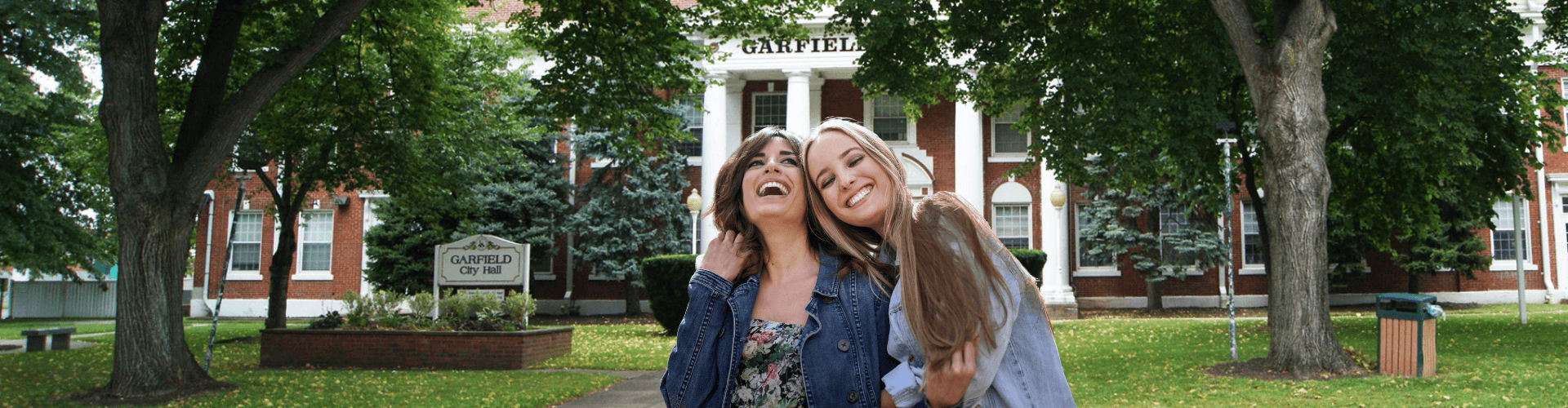
Garfield is a genuine, working-class town in Bergen County, shaped by early immigrants, especially those arriving from Poland. With an urban-like feel and affordable housing, it’s an accessible area for the average American family. Pests enjoy the mix of city life and suburbia, entering properties year-round.
Jump To Section
Garfield: Affordable, Authentic, and Down to Earth
Garfield might be a lasagna-loving cat, but it’s also a Bergen County borough. It was named for President James A. Garfield shortly after his assassination. Born from immigration and industry, it blossomed in the late 19th century when textile and manufacturing mills attracted waves of new arrivals from Poland (a cultural influence that still permeates through modern-day delis, churches, and community get-togethers).
Firmly planted in working-class ethics and adopting an urban feel, the town embraces small commercial districts, residential blocks, and riverfront views. Diverse and vibrant, it’s a melting pot that invites people from different walks of life while offering greater affordability and authenticity than some of its wealthier bookends. Its accessibility makes it less attractive to posh New York executives and more attractive to down-to-earth folks seeking life’s simple pleasures: Good neighbors, friendly housing, international food, and eclectic cultures coming together in the spirit of community.
From Laughing Rodents to Spiteful Wasps
True to its name, Garfield (like other New Jersey cities) has a prominent stray cat population. But felines aren’t the only four-legged creatures tooling around town. Mice and rats are common, as are all kinds of arachnids and insects.
Houseflies taste with their feet and liquefy their food before devouring it. They have compound eyes that wrap around the sides of their heads, giving them nearly 360-degree vision and the talent to evade that dreaded swatter. This makes them as visually-gifted as owls, although owls’ all-encompassing vision comes from their ability to turn their heads 270 degrees (compensating for the fact that their eyes are fixed to their sockets).
Rats laugh during socialization, doing so at ultra-high pitches the human ear can’t decipher. These chirps are believed to be linked to the rodent brain’s reward center, hinting at a rat’s perception of pleasure. They make this noise when tickled, engaged in play, or, discussing with one another your habit of leaving pantry food in your Garfield home uncovered.
Wasps are both pests and pest controllers; they’re natural predators of caterpillars, flies, mosquitoes, spiders, beetles, and aphids, paralyzing their prey to feed their larvae. While they’re not big or dangerous enough to prey on humans, they can act aggressively toward people they perceive as threats (as well as those who’ve previously wronged them). Unlike bees, they can sting until they tire because their stinger stays attached.
Yellowjackets are a type of large wasp and are most aggressive in warm weather when their nests are at peak size. They live underground or inside structures and seek out protein in the spring and sugar in the fall, becoming especially annoying to people trying to enjoy an outdoor ice cream cone or glass of lemonade.
At Kapture, we know pests aren’t exactly the cat’s meow. We offer personalized plans, safe solutions, and preventive maintenance to remove infestations and keep invaders away for good.