

Professional Pests Control
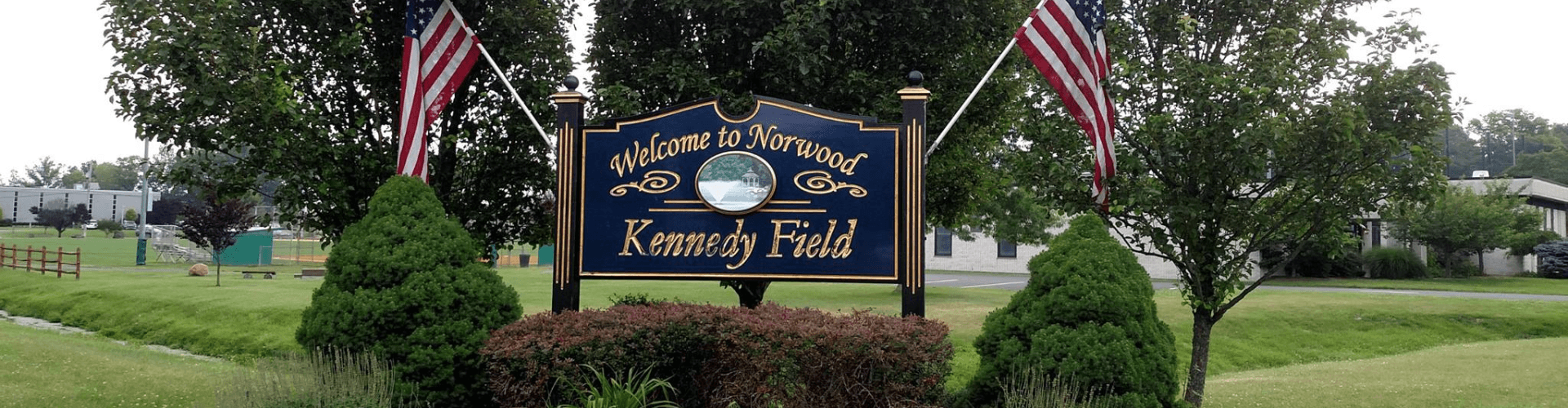
Norwood is a slow-and-steady New Jersey suburb that contradicts the action-packed streets of nearby New York City. Ideal for those who find peace in nature, family life, and quiet nights, it’s home to longtime residents and newcomers. Pests thrive in the vegetation, often entering homes and businesses.
Jump To Section
Norwood’s Slow and Steady Wins the Race
Norwood is a suburban New Jersey town near the New York State border. While mainly residential and bustling with the typical neighborhood norms, bike-riding kids, chirping birds, and roaring lawnmowers on warm summer mornings, it also embraces its quiet side. Rolling hills, wooded pockets, and open space offer a taste of serenity, while nearby nature trails provide an outdoor escape and a grounded getaway.
Incorporated in 1905, the town is younger than many East Coast cities (cities established at the founding of America or earlier). With ties to agriculture, it came into its own as suburbia expanded and transportation to New York City improved. While close to the Big Apple, it feels as if it’s on the other side of the globe: Here, pickleball clubs are more prominent than nightclubs, family life is central, and mom-and-pop eateries might not win any Michelin stars, but they win the hearts of locals. Known for its slower, steady pace, this is the ideal spot for people who see themselves as the tortoise, not the hare.
Pests of All Kinds
Norwood, with its flourishing landscape and diverse structures, invites pests from dozens of species. They come in all shapes and sizes and enter homes through gaps, cracks, pipes, and vents.
Spotted lanternflies are an invasive species and New Jersey newbies; they were first documented in the state in 2018. Their name is confusing, as they’re not flies; they’re not moths, either (although their appearance is a bit moth-like). Rather, they’re planthoppers and cousins of cicadas. They’re not great fliers, but they’re terrific jumpers and use this skill to get around.
Ticks are resilient creatures that can survive for lengthy periods without eating. When they do eat, they latch onto hosts with their legs and deliver a hard-to-feel bite that flies under the radar of human perception. This allows them to eat in peace; an adult tick can consume up to a teaspoon of human blood during a full meal.
Termites build colonies with caste systems and some of the most complicated ecosystems in the animal kingdom. These round-the-clock eaters are especially dangerous in homes because of their destructive tendencies; they feed on cellulose, the main component of wood, and have queens that enjoy exceptionally long lives, with some living forty years or longer. While they eat into Norwood door frames and subfloors, they also recycle wood, making them beneficial to the environment (especially in places like the tropics).
Carpenter bees damage wood as well, but not as part of their lunch plans. They excavate wood to create nesting tunnels, drilling perfectly round circles in the process. The males are often tasked with guarding the nesting areas and do so aggressively, which is a bit of an all-bark-and-no-bite situation, since male carpenter bees can’t sting.
If you’re dealing with an infestation, give us a call. Our same-day services are designed to remove pests as quickly as possible.