

Professional Pests Control
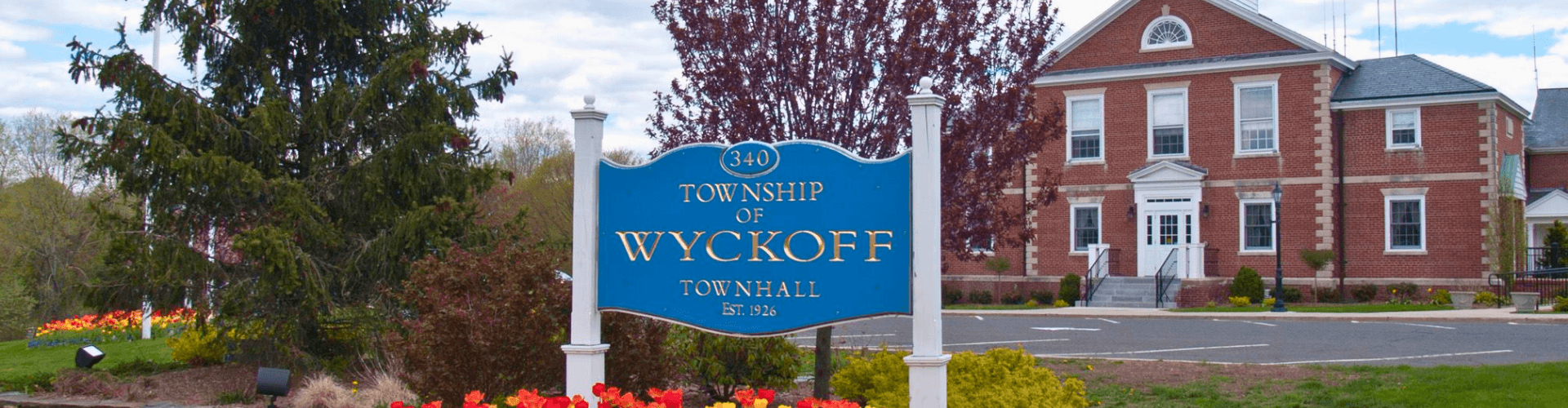
Wyckoff is a peaceful Bergen County borough located in the New Jersey foothills. Abundant with nature, outdoor recreation, and downtown convenience, it attracts a wide range of people. Pests are prominent both indoors and out.
Jump To Section
Wyckoff’s Welcoming Warmth & Coveted Comfort
Wyckoff is a Bergen County township, snug as a bug in the northern New Jersey foothills. Full of spacious and inviting neighborhoods, glorious gardens, forested expanses, and community connections, it offers locals a peaceful paradise that’s a jarring juxtaposition to nearby New York. With a landscape defined by bouncing terrain, mellow waterways, majestic maples, and preserved green spaces, it attracts nature lovers, former city dwellers, commuters, and families seeking calm, comfort, and convenience.
The borough is known for its youth sports leagues, strong spirit, grand schools, and access to the Ramapo Mountains. It features a dynamic downtown, with mom-and-pop shops, bakeries, cafes, eateries, and small businesses, as well as nearby golf courses, parks, and rec centers. But it’s not all modern day, all the time; the footprints of the past are still visible in the historic manors, rustic barns, and preserved old-world architecture peppered throughout the township.

Terrifying Intruders and Giant Colonies
Wyckoff’s abundant vegetation and diverse geography attract a variety of pests. They enter homes and buildings through open doors, small cracks in the foundation, and torn window screens.
Rats prefer commercial areas but can be found in suburbs, too. One of their favorite places is the sewer, with some of the sewer systems in metropolitan areas believed to house millions of these buck-toothed creatures. Both above and below ground, one reason rats are so prominent is their adaptability and intelligence; brown rats, in particular, are so resilient that they can be found on every continent except Antarctica.
Spiders get a bad rap that is sometimes unfair and, other times, spot on. The goliath birdeater tarantula belongs in the latter category; it’s one of the world’s largest spiders, possessing a leg span that rivals the width of a frisbee or dinner plate. But even the smaller ones pack a punch: Darwin’s bark spider (a type of orb-weaver spider found in Madagascar) can spin webs that cover 30 or more square feet with silk 10 times stronger than Kevlar.
Yellowjackets frequently build nests inside abandoned Wyckoff burrows; they can contain thousands of these stingy wasps. While they’re most noticeable in warm weather, certain species can survive winter (especially when mild) and build their colonies all year long. The larger the colony, the more likely a yellowjacket will attack; they’re a highly defensive and dramatic insect prone to overreacting.
Ants are a strength-in-numbers species that work together to build bridges, find food, and keep colonies thriving. Among the most intelligent collectives on earth, they can create tunnel systems larger than houses if given the space. Like termites, ant queens are long-lived, with some celebrating their 30th birthdays and beyond. Although they’re not typically thought of as scary, some species should be feared. The Bullet Ant, for example, is a fierce arthropod native to Central and South American rainforests. It has a sting believed to be one of the most painful on earth (it holds the record for insects!), with pain comparable to a bullet ripping through the body.