

Professional Pests Control
Old Tappan is a Bergen County borough popular among commuters, professionals, and families. Safe streets, strong schools, and a spirited sense of community draw long-time residents and newcomers alike. Pests are prevalent, entering homes and buildings year-round.
Jump To Section
Old Tappan’s Old-Fashioned Values and Natural Beauty
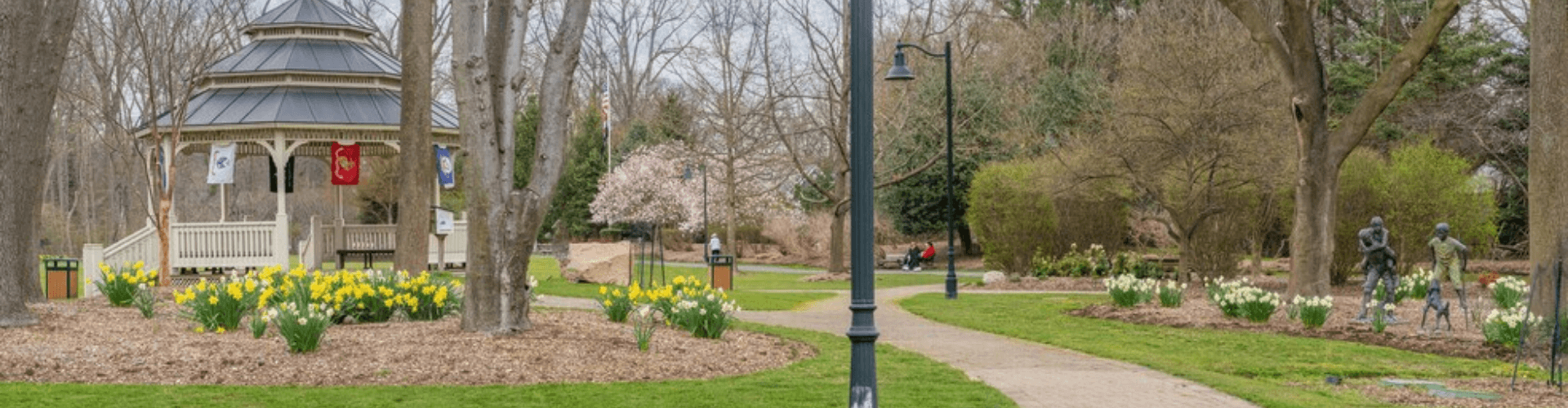
Old Tappan is located in northeastern Bergen County, tucked near the New York State border. Popular among big-city commuters, Wall Street wunderkinds, and Park Avenue professionals, it offers suburban solace for those who want to escape the rat race. Its lyrical landscape, marked with rolling hillsides, woodsy wedges, and flowery fields, offers a sense of possibility, a place where the skies are open, the grounds are vast, and driving the winding roads is a perfect way to spend an aimless Sunday afternoon. While not as water-logged as other nearby towns, small streams from the Hackensack River add a storybook essence and flourishing foliage.
Regarded for its strong school system, walking trails, recreational programs, and local parks, this city exudes the old-fashioned values of community, family togetherness, and resilience. Safe streets, friendly neighbors, and a low-key vibe make it attractive to long-time residents, New Jersey newbies, and those seeking comfort without the chaos.

Predators, Leapers, and Dangerous Creepers
A variety of pests can be found in Old Tappan and throughout New Jersey. They invade garages, basements, gardens, warehouses, and more.
Earwigs don’t have ears . . . or wigs. Surprisingly, they do have wings. They’re able to fold these wings so precisely, like insect origami, that the pattern confuses mathematicians (perhaps the only thing more complicated than folding earwig wings is folding a fitted sheet). Earwigs rarely make use of these wings, however; they’re awkward and inefficient flyers that prefer to crawl. When they do fly, it’s often at night, which is why most people don’t ever see an earwig in mid-air.
Centipedes: “They got legs, and they know how to use them” . . . to murder. Their front legs transform into claws, which they use to inject venom into their prey. Because they’re so leggy, they can capture multiple meals at once, which is bad news for spiders, termites, worms, ants, and roaches (some of their favorite snacks).
Grasshoppers hear through an organ called the tympana, which is located in their abdomens. While it’s unusual for them to infest buildings, they can swarm Old Tappan gardens and crops and do tons of damage in the process. Some grasshoppers change color depending on environmental conditions, and they can jump 20 times their body length. If humans could jump an equivalent distance, we’d be able to clear an entire basketball court in a single bound.
Of course, fleas surpass grasshoppers when it comes to jumping skills; they can leap 100-200 times their body length. They frequently enter homes on pets, but they don’t stay on hosts for long; most fleas fester in carpet, drapes, and furniture. Although they’ve played a role in some of history’s most haunting moments, such as the Bubonic Plague in Europe, the discovery of antibiotics has largely rendered them incapable of spearheading present-day pandemics.
Mosquitos, on the other hand, spread disease so efficiently that they’re considered the most dangerous animal on earth. Unlike fleas, which transmit bacteria, mosquitoes transmit viruses, making antibiotics ineffective. While malaria is the biggest global threat, mosquitoes can also spread dengue, Zika, yellow fever, Japanese encephalitis, and West Nile. They, however, can not spread HIV or hepatitis; these viruses are extremely fragile and break down during digestion; they can’t survive outside of blood or replicate inside a mosquito.
At Kapture, we handle a range of infestations, protecting homes and buildings from seasonal invasions.