

Professional Pests Control
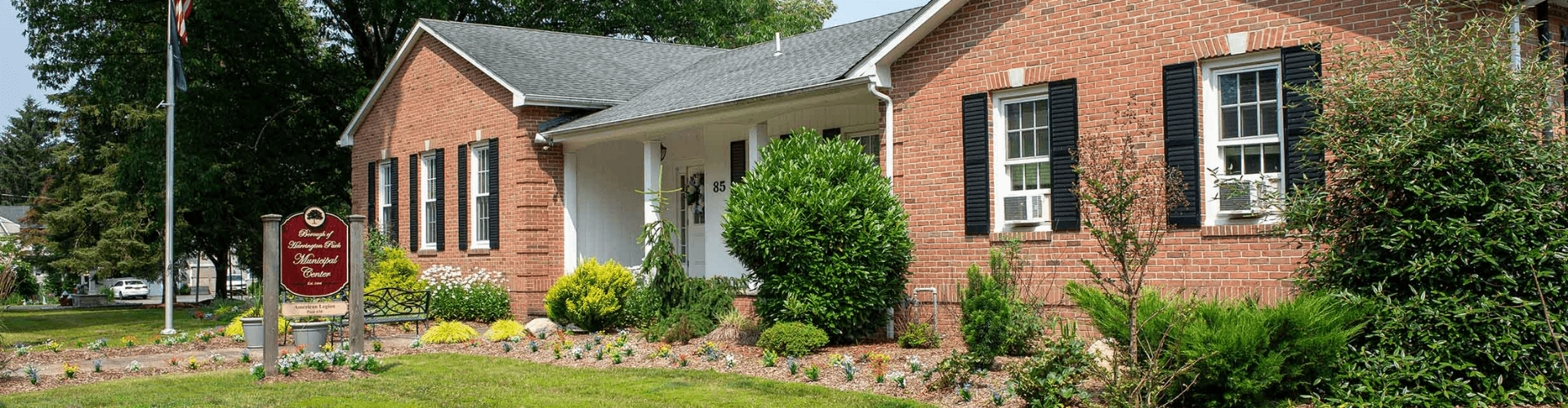
Harrington Park is a largely residential borough with great schools, strong community ties, and a family-centered ethos. While it lacks a large commercial presence, it sits close to the action and attracts commuters working in Manhattan. Pests flourish in the city’s natural landscape; they like your home, too.
Jump To Section
Harrington Park: A Residential Retreat
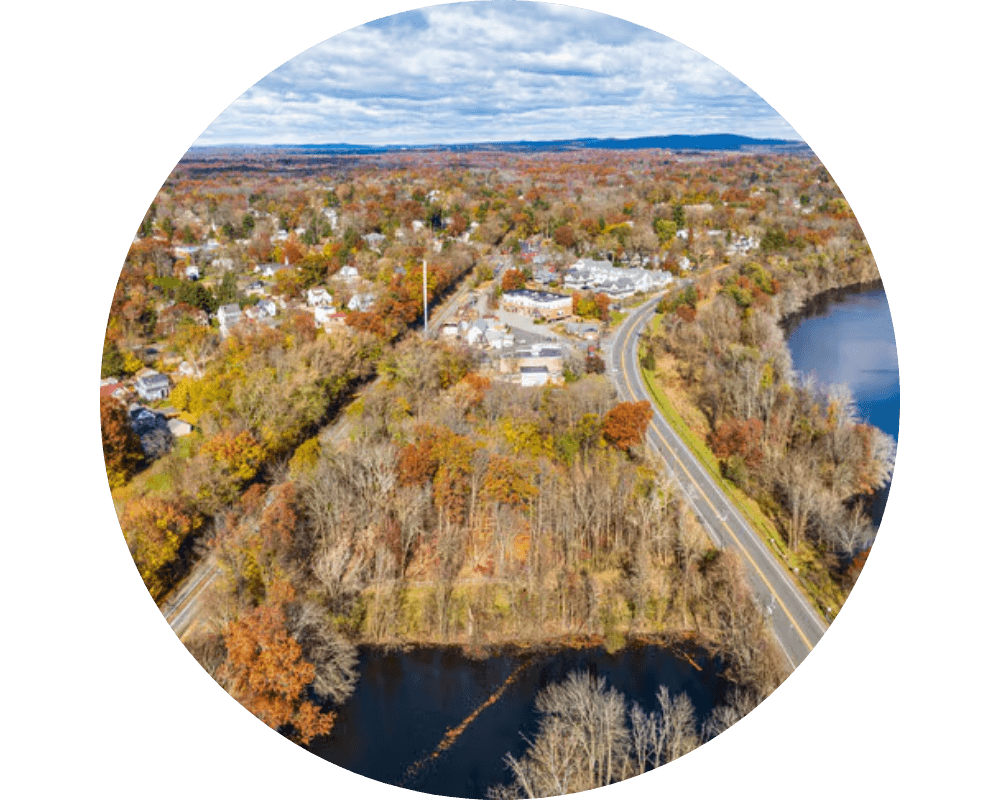
Harrington Park is tucked into the northeastern corner of Bergen County. A small, charming borough full of natural beauty, sweeping expanses, and rolling hills, it’s largely residential, a suburban safe space peppered with parks, woodsy pockets, and local reservoirs. While there is no huge commercial presence, the town’s proximity to larger cities keeps things convenient. For those looking for even more excitement, New York City is only 25 miles away.
Incorporated in 1904, the city was founded on agriculture and rural industry, transitioning into a more residential area as transportation blossomed. When the Model T, the first commercially-produced car, came out in 1908, people began trading in big-city living for nature-oriented nooks and quiet streets. These sought-after traits of solace and serenity still permeate the town’s boundaries today. Great schools, community ties, and outdoor activities attract newcomers; friendly neighbors and strong values keep them here for good.
Biters, Thrivers, and Survivors
Pests of all kinds thrive in the natural surroundings of Harrington Park, often invading homes in search of food and shelter.
One of the most common pests is the cockroach. Survival specialists, these creepy critters can evade danger, go for long periods without eating and even survive for a week without heads. They’re not likely to flourish in a nuclear war (despite the myth), but they did survive the meteor that wiped out the dinosaurs.
Beetles are especially prominent, not just in Harrington Park but all over the planet, making them the most populated animal species in the world. Some species, such as the Japanese Beetle, feed and operate in coordinated, cooperative groups. This can cause damage to gardens and lawns (on the home front) and devastate forests. In Colorado, for example, the mountain pine beetle has destroyed roughly 3.4 million acres of trees since the mid-1990s, ravaging nearly a fifth of the state’s forestland.
Houseflies come in a variety. Although most are mere nuisances, some, including the horsefly, bite. Like mosquitoes, only female horseflies nibble on you, doing so because they need blood for egg production. Their bite is more painful than mosquitoes’, since horseflies slice the human skin as opposed to piercing it. They’re also not above chasing you around the house when it’s lunchtime.
Whether you’re dealing with flying frustrations, eight-legged moochers, clever rodents, or other pests, we’re here to help! Small infestation or large takeover, we’ve got you covered!