Jump To Section

Learn From The Pros
What do daddy longlegs eat? That is a complicated question because there are actually multiple types of creatures that carry that name. Some eat other insects, and some eat a wide range of food. Knowing how to spot the difference between them is an important step in deciding whether or not you consider them friend…or foe.
If you ask ten people what a “daddy longlegs” is, you’ll probably get ten different answers. Some will picture a spider with gangly legs hanging from a web in the basement. Others will imagine a fragile insect that looks like a mosquito on stilts. And a few might describe a bug with a tiny round body that scuttles across the garden floor. The fun twist? They’re all correct. There are several different creatures that lay claim to the nickname “Daddy Longlegs”. Each one has its own quirks and menu. So, what do daddy longlegs eat?
The answer depends on which one you’re really talking about!
Daddy Longlegs: Which Is Which?
The nickname “daddy longlegs” is used for three different creatures:
- Harvestmen (arachnids but not true spiders)
- Cellar spiders (true spiders, often found indoors)
- Crane flies (insects, not spiders at all)

Harvestmen: The Eclectic Snackers
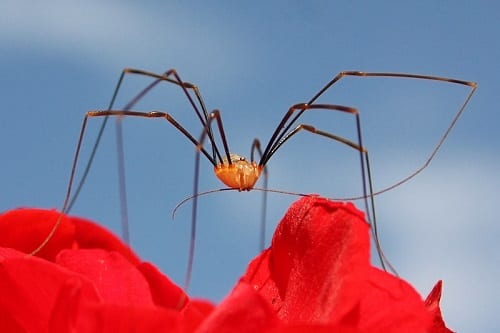
When many people say daddy longlegs, they’re talking about harvestmen—small-bodied, long-legged arachnids that meander through gardens and under logs. They look like spiders, but they’re actually not. No silk, no webs, no venom…just legs for days.
So, what do these daddy longlegs eat? Pretty much anything they come across. They’re opportunistic feeders, meaning they will eat whatever is available and easy to access. A harvestman might nibble on:
- Tiny live insects that cross its path
- Dead bugs left behind by other predators
- Decaying plant matter or fungi
- Nectar, fruit juice, or sap
- Even animal carcasses
Instead of fangs, harvestmen have chewing mouthparts, using them to tear food apart bit by bit. They are great little scavengers that help clean up what others leave behind.
Cellar Spiders: The Basement Hunters
Another candidate for the nickname daddy longlegs is the cellar spider. If you’ve ever spotted a spindly spider shaking in its messy web in the corner of a garage or basement, you’ve met one. Unlike harvestmen, cellar spiders are true spiders, complete with silk, fangs, and venom.
A cellar spider’s diet is straightforward: they’re carnivores through and through. They eat:
- Flies, gnats, and moths that wander into their webs
- Mosquitoes (making them useful housemates!)
- Other spiders
- Prey from other spiders’ webs
- Ants, beetles, and other unlucky intruders
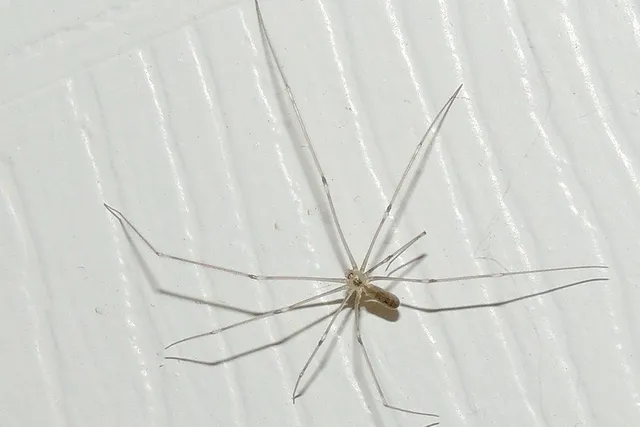
Cellar spiders aren’t picky hunters. If a poor creature gets stuck in their sticky web, they’ll give it a try. They even have a reputation for taking on bigger, scarier spiders like black widows—this has developed into a little myth regarding them being “the most venomous spiders.” In truth, their venom is harmless to humans, but it works well enough when catching their next meal.
Crane Flies: The Non-Eaters
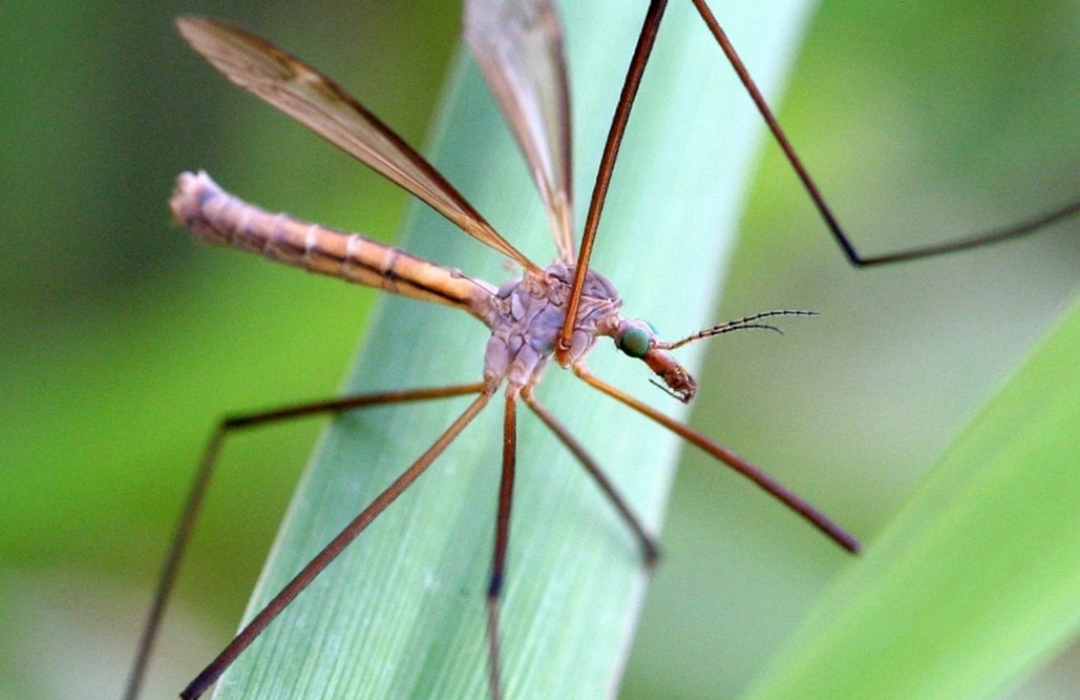
The last creature to typically carry the daddy longlegs nickname has a very interesting diet. Crane flies are those delicate insects that look like giant mosquitoes wobbling like a toddler around porch lights at night. Despite the resemblance to mosquitoes, they don’t bite or suck blood.
So, what do crane flies eat? The answer is surprising: most adult crane flies don’t feed at all. Their short adult lives are devoted to mating and laying eggs. At most, some species might sip nectar or moisture, but food isn’t really on their agenda.
It’s a different story for their larvae, though. Known as “leatherjackets,” crane fly larvae live in soil and feast on:
- Roots of grasses and plants
- Decaying leaves and organic matter
- Sometimes even seedlings—which can destroy gardens
If you’ve ever noticed patchy grass or turf damage in spring, these daddy longlegs could be to blame.
Myths and Misunderstandings
Because the name daddy longlegs is shared by three different creatures, facts about each begin melding into myths, such as:
“Daddy longlegs eat mosquitoes exclusively.”
Only cellar spiders occasionally trap mosquitoes. Harvestmen and crane flies don’t, so when it comes to them—you’re on your own.
“They eat dust.”
Nope. All three need actual food sources, though crane fly adults eat very little. But wouldn’t it be nice if they did? You could have a tiny, free house cleaning service on your hands!
“They’re dangerous to humans.”
Not true. Harvestmen have no venom. Cellar spiders have mild venom that’s harmless to people. Crane flies don’t bite at all. So, you’re safe on all three counts.
In the End
The question of what daddy longlegs eat doesn’t have just one answer. It depends on which creature you mean. Each of these creatures plays a unique role in the ecosystem, from recycling nutrients and cleaning up debris to controlling pest populations and, in the case of crane fly larvae, occasionally damaging lawns. Far from being just “creepy bugs,” daddy longlegs—whatever kind you’re looking at—have diets that shape the environments they live in.
If you are getting concerned about lawn damage or an overpopulation of daddy longlegs and other pests, Kapture Pest Control can help. Give us a call for a free estimate to get started.