
Jump To Section

Learn From The Pro's
Termites live underneath logs, mulch piles, and tree stumps, flourishing in soil. They’re important to the environment for their digestive abilities, but they cause billions in structural damage each year. It’s not always possible to tell if you have an infestation; often, a professional assessment is the only way to know for sure.
Where Do Termites Come From?
Termites are tiny, social insects with a bad reputation; they don’t spread disease or feed on blood, but they can wreak havoc on your structures. These pests destroy homes from the inside out, feeding on wood components 24 hours a day (due to their simple nervous systems, they don’t sleep in the traditional sense). But while they’re common in homes, how do they get there in the first place? In other words, where do termites come from?
The most common termite species live in subterranean colonies, thriving in soil below homes and structures. Colonies are typically found underneath logs, in mulch piles, inside tree stumps, or in buried wood. They’re especially attracted to moisture-prone areas, such as sprinkler-sprayed fences and rain-soaked decks.
Termites use mud tubes as highways, traveling through them to reach wood. They may also enter homes through utility openings, expansion frames, and cracks in concrete foundations. Flying termites (the winged reproducers) can enter homes the way wasps or bees get in, gaining access through tattered window screens, open windows, attic fans, and chimney vents.
Like ants, termites live in caste systems, with workers, soldiers, kings, and queens. Both the king and queen are long-lived by insect standards, with queen termites able to live for decades; they take the crown as one of the longest-living insects in the animal kingdom.
Termites are important to the ecosystem; they break down dead wood and various plant materials indigestible to other animals. But when they jump from a discarded log to your living room, it becomes a problem.
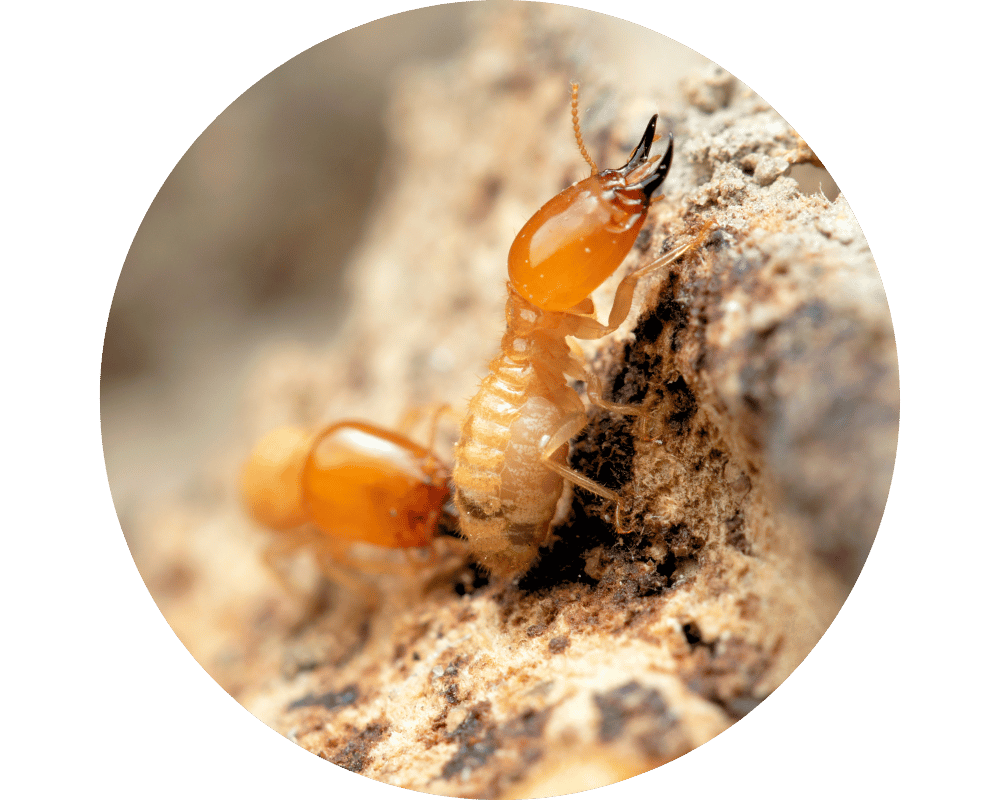
Why Do They Eat Wood?
Termites don’t crave piney, oaky flavors of ash, elm, or birch; rather, they feed on cellulose, the main component of wood. The microbes in their gut break down cellulose and use it for energy.
They love moist wood, as dampness and decay allow them to chew through it faster and without expending unnecessary energy. They like softwoods for the same reason, often favoring low-density woods such as pine, fir, and spruce. But this doesn’t make hardwood immune; termites will eat it, especially if it’s wet.
Although termites can technically eat anything made of wood, from banisters to tree stumps, they prefer structural lumber, often gathering on framing, joists, subfloors, and sill plates. They even have some non-wood items on their munching menu, expanding their palette to include plant-based and paper-based products. They can eat cardboard, insulation, drywall, books, photo albums, cotton, plaster, mulch, and bamboo. While they can’t digest plastic and rubber, they might chew through them to get to the food they can eat.
Signs of Termites in the Home
Chances are you won’t see any termites fly by on their way to dinner at the doorframe, so what other signs indicate issues? Structural damage (sagging floors, soft spots, and loose tiles) is among the biggest red flags, although termites can feast on your home for years before their appetite for destruction becomes obvious. More subtle signs include pencil-width tubes in foundation walls, crawlspaces, and basement joists, as well as blistered paint (insect activity increases moisture and causes walls to bubble).
Hollow-sounding wood also sounds the alarm; it might sound papery or empty when tapped. Discarded wings serve as evidence too, as swarming termites shed their wings after mating season and go back to being creepy crawlers rather than flying fiends.
Of course, not all termite activity is apparent, not even slightly. The only way to know for sure that you don’t have an infestation is through a professional pest control assessment. Older homes, homes with moisture issues, homes with crawlspaces, slab-on-grade homes, and homes with heavy soil or mulch are most at risk of termite trespassers.
How to Keep Termites Out of the Home
Where do termites come from?
You have your answer, but now the question becomes . . . how do you keep them out of your home?
One of the most effective ways is to reduce moisture by fixing leaky faucets, enhancing drainage, and keeping soil around the foundation dry. Eliminating how much your wood contacts soil, as this provides termites with a more direct route, also reduces risk. To do this, raise deck posts, remove any buried wood, and store firewood off the ground and away from your home. When you bring firewood inside, make sure it hasn’t been hijacked; termites are most likely to be found in old, damp logs that haven’t been split. It’s rare for them to get indoors on the Firewood Express, but it’s not impossible.
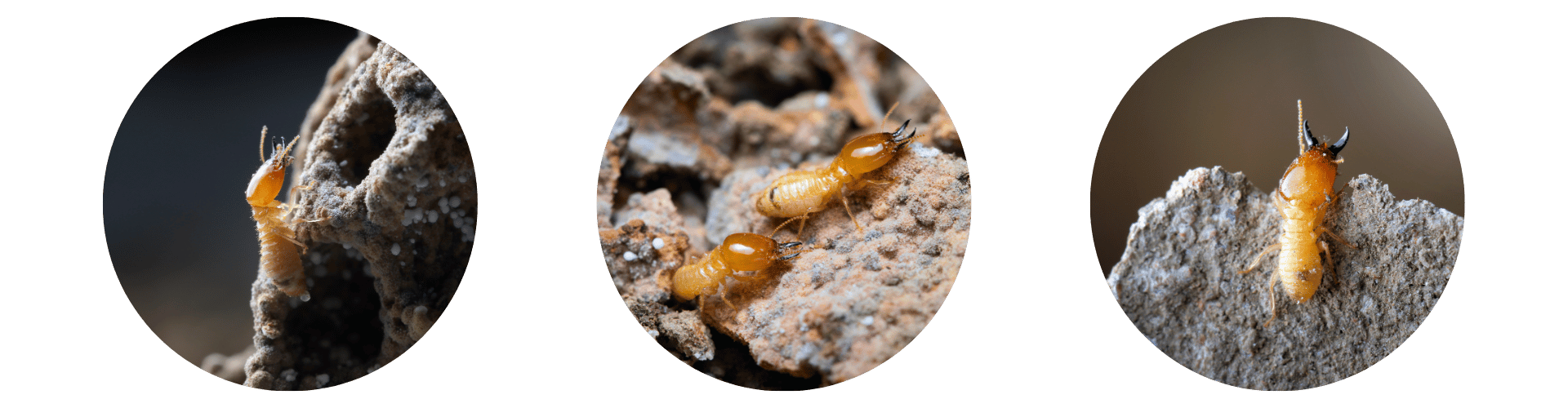
Other ways to reduce termite troubles include sealing foundation gaps around utility lines and expansion joints and caulking cracks (closing off access won’t just keep termites out, but it’ll deter all kinds of New Jersey pests). Using mulch sparingly (keeping it at least a foot away from your foundation) and keeping gutters free of debris (thus reducing moisture) can also make your property less attractive to destructive species.
Even with the above, it’s hard to know for certain that termites haven’t found their way inside. Annual inspections by a professional pest control company are the best way to solve this pest puzzle; thorough assessments help you get ahead of any issues before they cause costly damage. Remember, termites do billions of dollars worth of destruction every year; they’re that good at their jobs!

Treating Tricky Termite Problems
At Kapture, we have years of experience treating all kinds of pest problems. From new infestations to long-standing termite territories, we treat both small and large colonies and everything else in between. Our same-day services, fast-acting solutions, and preventive maintenance help homeowners protect their property from pests today and well into the future.