
Jump To Section

Learn From The Pros
You may have heard about ladybugs bringing prosperity and good fortune into the lives of the people they touch. So is it true—are ladybugs good luck? Many cultures believe so. While the details vary, it’s fascinating to see the similarities in various cultures around the world. Not only are ladybugs believed to bring good luck, but they are also great for the planet.
Ladybugs, with their bright red shells and distinctive black spots, have long captured the imagination of cultures around the world, begging the question, “Are ladybugs good luck?”. From ancient European folklore to modern-day superstitions, these tiny beetles bring blessings, protection, and even love. This deep-rooted belief in the luck-bringing power of ladybugs has persisted through centuries, making them one of the most beloved and enduring symbols of good luck across the globe.

Ladybug Luck: How It Started
The origin of the ladybug as a symbol of good luck dates back to ancient agricultural societies in Europe, where these tiny beetles were protectors of crops. During the Middle Ages, farmers noticed ladybugs played a crucial role in controlling pests, particularly aphids, which threatened their harvests. Grateful for the ladybug’s natural pest control, they associated the insect with divine intervention and good fortune. This connection was further strengthened by the Catholic Church, which linked ladybugs to the Virgin Mary. In fact, the name “ladybug” itself is from “Our Lady’s beetle,” a reference to the Virgin Mary, who was often depicted wearing a red cloak in religious art. The seven spots on the most common species of ladybug represented her seven joys and seven sorrows.
In addition to their role in agriculture, ladybugs became entwined with various legends and lore. One example of a ladybug bringing good luck is…if one landed on you and then flew away on its own, with its flight direction foretelling the source of good luck.
As these beliefs spread across Europe, they solidified the ladybug’s reputation as an omen of good luck. Over time, associating ladybugs with good fortune transcended cultural boundaries, making them one of the most universally recognized symbols of luck, protection, and prosperity.
Ladybugs: Symbolism and Culture
Europeans are not the only culture that honors this tiny spotted beetle.
In various Asian cultures, ladybugs are symbols of good fortune, love, and protection. Their bright red color, often associated with happiness, luck, and prosperity, plays a significant role in their cultural symbolism. Many cultures share these four areas of symbolism in various ways:
- Protection, Prosperity, and Divine Guidance
- Love and Romance
- Connection to Nature
- Symbol of Good Fortune

Below are a few examples of how different cultures view ladybugs and the threads of commonalities shared between them.
China
In Chinese culture, the ladybug is a creature that brings good luck and joy. The color red itself is highly significant in Chinese traditions, symbolizing happiness, success, and good fortune. Red is the color of festivals, weddings, and celebrations in China, and often seen as the luckiest color. When a ladybug lands on someone, people often interpret it as a sign that good luck is on the way.
Ladybugs are messengers of love. According to one belief, if a ladybug lands on a woman, she will soon meet her true love or experience a positive shift in her romantic life. In Chinese folklore, ladybug’s spots can represent the number of children one might bear.
India
In Indian culture, the ladybug is a bringer of good fortune and a sign of positive changes. People often link the ladybug’s presence to protection and believe it indicates good things to come, especially in matters of personal and spiritual growth. In a country where nature and its creatures are revered, residents consider the ladybug to be a positive insect that contributes to the balance of the ecosystem. Many people interpret a ladybug as a sign of protection from higher powers or as a confirmation that their prayers have been answered.
Japan
In Japanese culture, the ladybug, known as tentōmushi, is a cherished symbol of good luck, divine protection, and love. Its association with the heavens and its gentle nature makes the ladybug a revered creature, seen as a bringer of blessings and positive energy.
They are considered to be under the protection of the gods. If a ladybug lands on you, it is a favorable omen, suggesting that you are being watched over by the gods. This belief is reflective of the broader Shinto tradition in Japan, where natural elements and creatures become manifestations of the divine or messengers of the kami (deities or spirits). The ladybug’s gentle and harmless nature has made it a beloved figure in Japanese art, literature, and even children’s stories. Often depicted as a cute and friendly insect, ladybugs embody the Japanese cultural emphasis on the beauty and harmony of nature and are also a common motif in Japanese gardens and home decor.
North America
In Native American culture, ladybugs are symbols of protection, renewal, and good fortune. Different tribes may have varied interpretations, but there are common themes that reflect the respect and reverence these communities have for nature and its creatures. For many Native American tribes, the ladybug is a guardian spirit. Ladybugs offer protection, particularly in times of need. Their presence shields individuals from harm, both physically and spiritually. Just as ladybugs protect crops from pests in nature, they protect people from negative energies or influences.
Ladybugs are also associated with renewal and change. Native American beliefs often emphasize the cycles of nature. Ladybugs, with their life cycle from larva to adult, embody transformation and new beginnings. Spotting a ladybug is a positive omen, indicating that a period of growth or renewal is on the horizon.
In some Native American traditions, ladybugs are messengers from the spirit world. They carry messages from ancestors or spiritual guides, offering guidance or reassurance to those who encounter them. Seeing a ladybug might be a sign that you are protected or that a specific message from the spiritual realm is being delivered.
Ladybugs: Symbolism or Science?
Ladybugs, scientifically known as Coccinellidae, are a family of small beetles that includes over 6,000 species worldwide. These insects captivate not only with their biology and behavior, but also with scientific characteristics that often align with the symbolism they are given.
Pest Control Powerhouses
Ladybugs are carnivores and natural predators of agricultural pests, particularly aphids, which are small insects that eat plant sap and can cause extensive crop damage. One ladybug can feed on up to 5,000 aphids in its lifetime. This beneficial role in agriculture has earned ladybugs a reputation as protectors of crops, which is one reason they are symbols of protection and good fortune in many cultures. Ladybugs are the ultimate gardeners’ allies, standing guard over the harvest—and they even look pretty doing it.
Color & Defense Mechanisms
It’s not just their appetite that’s impressive—ladybugs know how to make an entrance. Their bright red or orange shells, often dotted with black spots, are not just for show. This coloration of most ladybugs is aposematism, which is a warning signal to potential predators that the ladybug is toxic or unpalatable. Ladybugs secrete a foul-tasting fluid from their legs when threatened, which can deter predators like birds and other insects.
Life Cycle & Transformation
If there’s one thing ladybugs know how to do, it’s reinventing themselves. Ladybugs undergo complete metamorphosis throughout their lifetime, which includes four stages: egg, larva, pupa, and adult. This transformation from a larva, which is often dark and spiny, to a brightly colored adult beetle is symbolic of renewal and change. This biological process reflects the idea of transformation and new beginnings, a theme often associated with ladybugs in various cultures. They remind us that even the humblest beginnings can lead to something beautiful and full of potential.
Migration & Overwintering
Some species of ladybugs migrate and gather in large numbers to hibernate during the winter. This communal behavior reflects their symbolic association with strength in unity and protection through togetherness. It’s like a ladybug version of a big, supportive family huddling together to weather life’s storms. The ability of ladybugs to endure and thrive through harsh conditions further enhances their symbolic representation of resilience, protection, and survival.
Imposter Syndrome: Bugs Who Wish They Were Ladybugs
While ladybugs might be believed to bring good luck, there are several insects that are often mistaken for ladybugs due to their similar appearance, particularly their rounded shape and spotted patterns.
These “ladybug dupes” might not carry a lucky streak, but they are distinct species with different behaviors, habitats, and impacts on the environment.
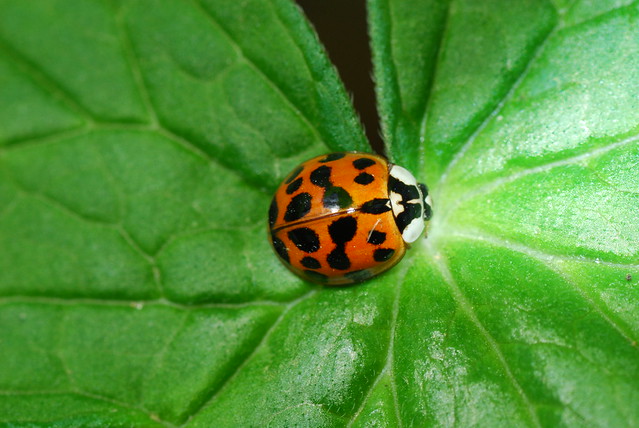
Asian Lady Beetles
Appearance: Asian lady beetles are easily mistaken for ladybugs, with an almost identical shape and color range from orange to red. They can be distinguished by a distinct “M” or “W” shape on their thorax (the area just behind the head).
Behavior: Unlike native ladybugs, Asian lady beetles are known to be more aggressive and are considered pests because they can invade homes in large numbers during the colder months. They can also bite, though their bites are harmless.
Impact: While they do help control pests like aphids, their tendency to overwinter indoors and outcompete native species has made them an unwelcome guest.
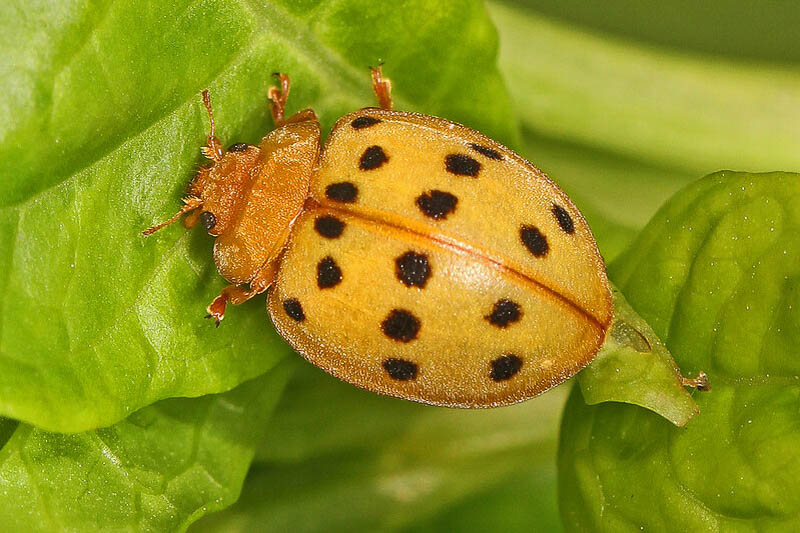
Mexican Bean Beetles
Appearance: Mexican bean beetles have a similar size and shape to ladybugs, with a yellowish-orange color and 16 black spots. However, unlike ladybugs, they are herbivores.
Behavior: These beetles feed on the leaves of bean plants, causing significant damage to crops. Their feeding leaves behind characteristic lace-like patterns on leaves.
Impact: Unlike beneficial ladybugs, Mexican bean beetles are harmful to agriculture and are considered a pest.
False Ladybugs
Appearance: Nothing screams imposter like false ladybugs. “Spotless lady beetles,” look very similar to true ladybugs but lack the distinctive spots. They are usually red or orange and have a more elongated body shape.
Behavior: These beetles are often confused with ladybugs because of their similar coloration and habitat preferences.
Impact: They are generally harmless and can even help control pests, but they are not as effective or widespread as true ladybugs.

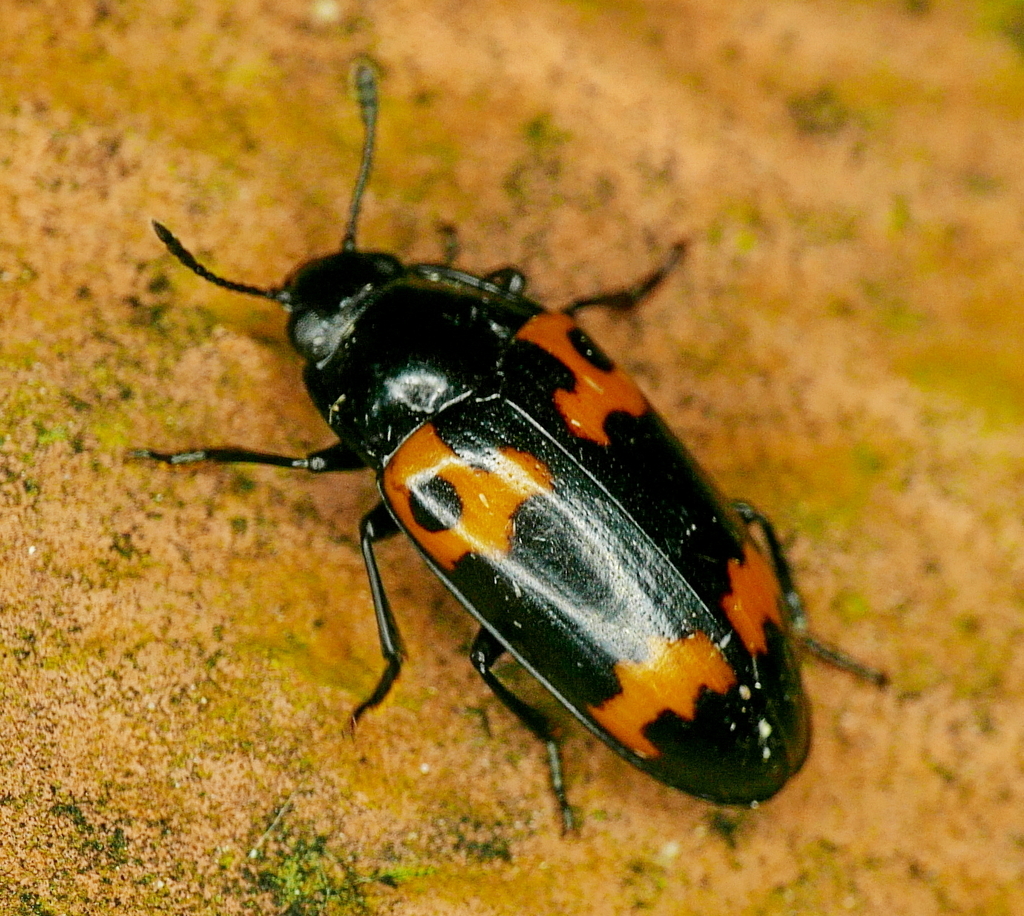
Fungus Beetles
Appearance: Fungus beetles are often mistaken for ladybugs due to their small, round bodies and similar coloration. They are typically red, orange, or yellow with black spots or stripes.
Behavior: These beetles feed on fungi and decaying plant material rather than pests.
Impact: While not harmful, they don’t provide the same pest control benefits as ladybugs.
If you are concerned you might be dealing with one of these invasive imposters, give our team at Kapture a call. We are happy to help!
Ladybugs: The Real Deal
Ladybugs are the ultimate blend of science and symbolism, a perfect cocktail of nature’s genius and humanity’s imagination. So, are ladybugs good luck? Well, there are plenty of cultures and people who believe so. One thing we can say for sure, they are living proof that you do not have to be big to make a big impact. Beyond their practical role as pest controllers, ladybugs have managed to flutter their way into the hearts of cultures around the world as symbols of luck, protection, and transformation, not to mention the positive role they play in our ecosystem.
The next time a ladybug lands on you, take a moment to appreciate the tiny marvel before you. Whether it’s bringing good luck, offering protection, or simply reminding you of the power of transformation, this little beetle is more than just an insect. It’s a symbol of nature’s beauty, resilience, and the endless possibilities that life holds. Ladybugs may be small, but their impact—both in the natural world and in our collective imagination—is nothing short of extraordinary.
