
Jump To Section

Learn From The Pros
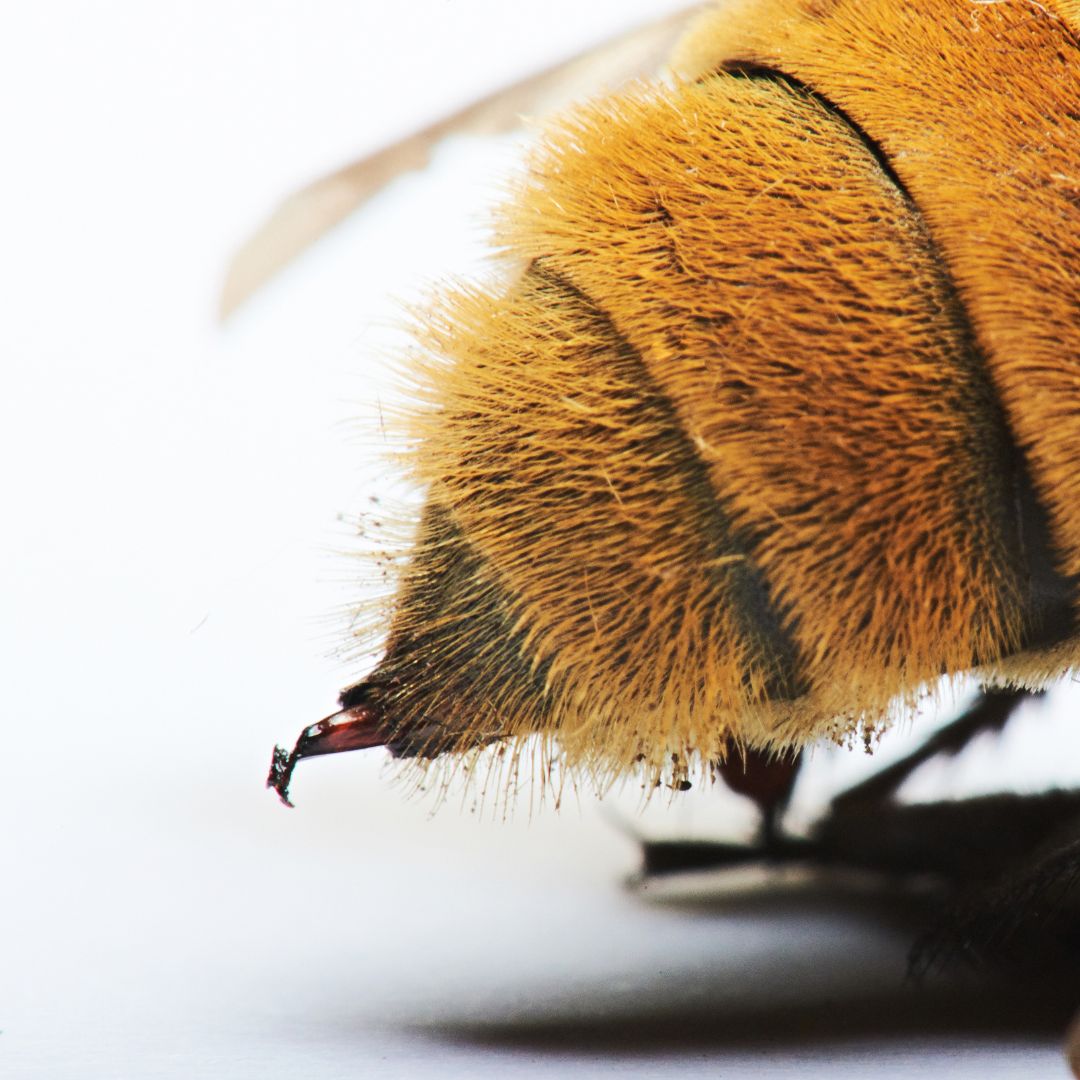
Bumblebees are fascinating insects, and one of the most interesting things about them is their bumblebee stinger. Both their stingers and their behavior work differently from a lot of other pollinators.
When most people think of bees, the first thing that comes to mind is their stinger and how painful it can be. That well-known buzzing sound is enough to send some folks running, while others admire these fuzzy insects for their crucial role in pollination. But when it comes to a bumblebee stinger, there’s nothing but “crickets”.
Ok, not literally. However, most people are unfamiliar with them. From how it works to why it’s different from other bees’ defenses, the stinger tells a story about survival, cooperation, and misunderstood creatures of the insect world.
What’s Its Purpose
A bumblebee stinger is not just a weapon; it’s an evolutionary tool. Like honeybees and wasps, bumblebees are part of the same order of insects. Their stingers evolved from an ovipositor, which is a structure designed initially for laying eggs. Over time, this organ transformed into a dual-purpose survival mechanism that is still linked to female anatomy but now repurposed as a defensive tool.
For bumblebees, this means only the females (workers and queens) have stingers. Males (drones) may bluff intimidatingly, but they completely lack the equipment. If you encounter a bold bumblebee that seems to be charging you, chances are it’s a harmless male.

The Difference Between Bumblebees and Honeybees
An important distinction between bumblebees and honeybees that often surprises people is that a bumblebee stinger doesn’t have barbs. Honeybee stingers are barbed, which means once they sting, the stinger lodges in the skin. This act tears the bee apart, leading to its death. It’s an ultimate sacrifice in defense of the colony, and the reason behind why a bee dies shortly after they sting.
Bumblebees, however, can sting multiple times. Their smooth stinger slides in and out, functioning more like a wasp’s. That doesn’t mean they’re aggressive—far from it. Bumblebees are actually pretty docile, saving their stings for real threats. Unlike honeybees that may attack in swarms, bumblebees usually sting only if directly provoked, stepped on, or if someone disturbs their nest.

Do Bumblebees Sting Often?
The short answer? No. Their stinger is used more as a last resort. These insects are far more interested in flowers than in people. If you’ve ever watched one in the garden, you’ll notice they tend to bumble around (hence their name) and pay little attention to humans. They’ll even tolerate a hand being placed nearby as they gather nectar.
It’s only when their personal space is truly invaded, like someone picking them up or shaking their nest, that they might unleash their stinger. And even then, it’s not an offensive move but more about defense against a world full of larger predators.
Bumblebee Stinger: The Science Behind Them
So what happens when a bumblebee’s stinger makes contact? It’s connected to venom sacs that pump a cocktail of chemicals into the target. This venom causes pain and swelling, serving as both a deterrent and an alert system for other bees nearby.
Interestingly, the venom isn’t designed to kill large animals. It evolved as a way to deter predators like birds, small mammals, or even rival insects. Humans are just collateral damage caught up in the mix. In fact, bumblebee venom has been studied for potential medical uses, from arthritis relief to cancer research, because of its unique proteins and enzymes.
Misconceptions
There are plenty of myths about the bumblebee stinger, and some are worth clearing up:
- “All bees can sting.” Not true. Only female bumblebees have stingers. Male bumblebees don’t.
- “Bumblebees die when they sting.” False. That’s honeybees. Bumblebees live to sting again if necessary.
- “Bumblebees are aggressive.” Quite the opposite. They’re gentle unless provoked.
- “The sting is deadly.” For most people, it’s painful but not life-threatening. However, those with bee venom allergies should treat any sting as extremely serious.
These misconceptions have unfairly painted bumblebees as villains, when in reality they’re among the least aggressive stinging insects out there.
Bumblebees in Folklore
Throughout history, bees have held symbolic meaning. When it comes to a bumblebee, its stinger has often represented protection and sacrifice. In some cultures, bees were seen as messengers between worlds, with their sting symbolizing both punishment and purification.
In modern times, the bee’s sting often serves as a metaphor for resilience. It reminds us that even the smallest creatures have powerful defenses, and that strength doesn’t always come in big packages.

What to Do if You’re Stung
Despite their docile nature, accidents happen. If you do get stung by a bumblebee’s stinger, here’s what to do:
- Stay calm. Unlike honeybees, the stinger isn’t left behind, so you won’t need to remove it.
- Wash the area. Use soap and water to clean the site.
- Apply a cold compress. This helps reduce swelling and pain.
- Take antihistamines if needed. For itching or swelling, over-the-counter remedies help.
- IF ALLERGIC, seek medical advice immediately. If you experience difficulty breathing, dizziness, or swelling of the face or throat, treat it as an emergency.
Appreciating the Bumblebee
Rather than fearing the bumblebee stinger, it’s worth seeing it as part of what makes these creatures remarkable. They’re not out to get us; they’re vital pollinators who are responsible for much of the food we eat and even the air we breathe. After all, plants release oxygen through photosynthesis. Without bumblebees, ecosystems would falter and crop yields would plummet.
By giving them space and respect, we minimize the risk of stings and maximize the benefits they bring to our gardens and farmlands. The stinger is just one small aspect of a much larger, fascinating story about survival, cooperation, and balance in nature.
Gentle Reminder
Just like all bees, the bumblebee stinger carries with it a reputation that’s often larger than life. But when you dig deeper, you’ll realize that bumblebees are not your enemy. Unlike wasps or other insects, bumblebees don’t wield their stinger recklessly. It’s a last line of defense, rarely used, but powerful when necessary.
So the next time you see a bumblebee hovering near a flower, remember: that stinger isn’t aimed at you. It’s a reminder that nature arms even its gentlest creatures with tools to survive. And maybe, it’s also a reminder for us to tread carefully and respect nature’s allies that keep our world thriving.
What If You Have an Infestation?
We don’t often see bumblebee infestations, but if you are having a major problem with bees or pollinators in any form, give us a call. Because they are so important to our ecosystem, completely eradicating pollinators is usually avoided as much as possible. We will do a thorough inspection and determine the best course of action for your situation. Pollinators can be safely relocated so that you can feel safe on your own property, and the bees can keep doing what they do best.
