
Jump To Section

Learn From The Pros
If you are seeing signs of carpenter ants around your home, don’t wait any longer to treat the issue. Unfortunately, you could have a hidden, major problem on your hands. There are several types of carpenter ant bait on the market you can try on your own, or give our office a call. We are well-versed in all things pest control and happy to help!
Signs You Need Carpenter Ant Bait
Some things in life are obvious, like roof leaks that need to be repaired or plumbing that stops up your toilet. But such is not always the case with carpenter ants. If you’ve ever had a carpenter ant invasion in your home, you know just how hidden their destruction can be. Carpenter ants actually burrow into wood, creating nests and tunnels that can cause significant damage to your home while remaining unseen for a long time. While your innate response might be to panic when you see these big, black ants marching around, you don’t need to stress. If you catch it early enough, carpenter ant bait can help you get rid of them—without calling in a pest control team—although we’re always here if you need us.
As pest control experts, we’ve got everything you need to know about carpenter ant bait, how it works, and why it’s one of the best ways to say goodbye to your new wood-loving friends. Whether you’re dealing with a small infestation or more serious problem, we’ve got you covered.
First Things First: What Are They?
Before we talk about how to get rid of carpenter ants, let’s be sure you know how to identify them. They are large, black or dark red ants that often invade homes to build their nests. Unlike termites, which eat wood, carpenter ants tunnel into it to create a safe home for their colony.
A single carpenter ant colony can have thousands of workers, making it essential to handle the problem before it gets out of control. If you notice ants around your home—especially in areas with wood like your attic, basement, or wooden beams—don’t ignore the signs. The longer you wait, the more damage they can cause.
In fact, it’s usually the damage that gives them away. Carpenter ants often get mistaken for termites (because of the way they look and behave), but don’t let their similar appearance fool you—they’re not related.

While most New Jersey homeowners are well-versed in the havoc termites can wreak on their wallets, carpenter ants often fly under the radar. The real key to keeping these destructive little creatures at bay is spotting the signs of an infestation early. Catch them before they start digging in, and you can save yourself from costly repairs down the road. Keep your eyes peeled—your home will thank you!

Is It a Carpenter Ant or Termite?
Unlike termites, carpenter ants are not in it for a snack—they’re looking for a place to settle in and raise their family. This is why you might see them out and about, hunting for food to bring back to the colony. Termites, on the other hand, never leave their cozy wood fortresses; they’re perfectly content staying hidden in the walls. This is why many homeowners don’t realize they have a problem until a beam gives way or a porch collapses.
Now, if you spot a flying ant in your home, it’s probably a worker ant. These ants are bigger—about 10-13 mm long—and typically have a brownish-black hue. Unlike termites, their body has a pinched section between their abdomen and thorax, making them easy to distinguish when you look closely. Whereas termites’ bodies are “straight-waisted”.
But here’s the kicker: If you’re seeing 1-2 of these winged ants in your home, there are thousands more lurking inside your walls, silently chewing away at the structural beams. So, it’s not just the winged ants you need to worry about—it’s the hidden work-a-holics who are making your home their personal chew toy. It’s definitely time to take action before those little invaders do any more damage!
Here’s Your Sign: What the Frass?!
Catchy, right?! While “What the Frass?” might be the next word you utter under your breath when your kid leaves dirty clothes all over the floor, the term is normally used to describe the waste or droppings left behind by wood-boring insects like carpenter ants and termites. Think of it as the “evidence” these critters leave behind as they munch through your wood. Frass typically looks like small, sawdust-like particles or powder that accumulates near infested areas.
For carpenter ants, the frass is often a mixture of chewed-up wood, insect parts, and even food remnants. It’s an easy way to spot an infestation because they’ll typically leave piles of frass near their nesting sites, which are often in wooden beams, window frames, or other hidden areas of your home. In contrast, termites produce a finer, almost powdery frass, which is also found near the entry points of their nests or tunnels.
If you find frass in your home, it’s a strong indicator that something is feeding on your wood—whether it’s carpenter ants or termites. The more frass you find, the more likely you have a serious infestation that needs attention before further damage is done. Keep an eye out for those tiny piles, and if you see them, it’s time to give us a call.
Bait & Other Solutions
How Does It Work?
Carpenter ant bait is designed to lure ants away from their nest. The bait typically contains a slow-acting poison that the ants carry back to their nest, where it spreads throughout the colony, ultimately killing the queen and other workers. The beauty of carpenter ant bait is that it doesn’t just target the ants you see; it eliminates the entire colony, including the queen, which is crucial for long-term success.
This “ant killer” is available in various forms, including liquids, gels, and granular options. Each type has its advantages, but they all work on the same principle—attracting ants to the bait so they can bring it back to the nest.
With carpenter ant bait, patience is a virtue. It can take several days or even weeks for the poison to spread enough throughout the colony that it reaches collapse. So if you don’t have that kind of time, then you might need to consider another option.
Other Solutions
While using bait to kill carpenter ants is one of the most effective methods, there are several other solutions you can consider, depending on the severity of the problem.
1. Ant Traps
Ant traps are another option for catching and eliminating carpenter ants. These traps use a similar baiting method but are typically pre-loaded with a poison or attractant. The ants enter the trap, consume the bait, and then carry it back to the nest. While ant traps are effective for smaller infestations, they may not be sufficient if the problem is widespread.
2. Insecticides
There are insecticidal sprays available specifically for carpenter ants. These sprays can be applied directly to visible ants, entry points, or areas where ants are suspected to be nesting. While they can kill the ants on contact, they don’t necessarily address the root of the problem—the colony. Spraying will temporarily reduce the visible ants but may not eliminate the nest, so this solution should be used together with other methods like bait.
3. Natural Solutions
For those who prefer eco-friendly or organic methods, there are several natural remedies you can try to kill carpenter ants. Some options include:
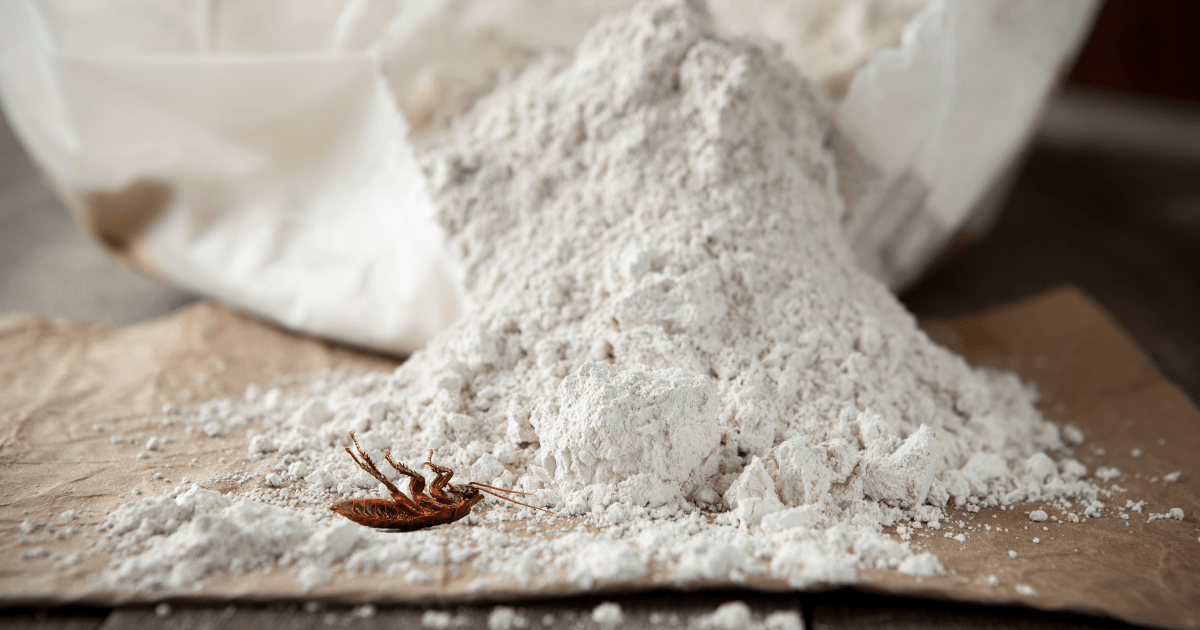
- Diatomaceous Earth: This natural substance is abrasive to ants and can be sprinkled around areas where ants are seen. It works by damaging their exoskeletons, leading to dehydration and death.
- Essential Oils: Certain essential oils like peppermint, cinnamon, or tea tree oil are known to repel ants. You can mix a few drops of essential oil with water and spray the mixture around entry points and ant trails.
Prevention is the BEST Solution
Once you’ve successfully eliminated the carpenter ant infestation, you’ll want to take steps to prevent future problems. Here are some tips to help you keep carpenter ants at bay:
- Seal Entry Points: Check for cracks and gaps in your home’s exterior, especially around windows, doors, and foundation. Seal these to prevent ants from entering.
- Remove Food Sources: Carpenter ants are attracted to food, so be sure to clean up crumbs and spills, especially in areas where wood is present.
- Address Moisture Issues: Carpenter ants are drawn to moist, decaying wood, so fix any leaks and remove damp wood from your home.
- Trim Trees and Shrubs: Carpenter ants can travel from trees or shrubs into your home, so keep branches trimmed and remove any near the exterior of your home.
When It’s Time for Professional Help
There are some circumstances where a DIY carpenter ant bait can work, but more often than not, termites or carpenter ants are not something you should battle alone. When you miss or ignore the warning signs, they won’t go away on their own, and unfortunately, the problem is only going to get worse.
If you are concerned you’re facing an unseen threat from one of these pests or want to pest-proof your home before that happens, give us a call. We know how to quickly eliminate these pesky insects and keep your home protected. We can identify areas of damage that are structurally unsafe and also rid your home of ants, rodents, spiders, and bugs of all kinds in the process.

Contact Us To Become Pest Free Today!
Call 1-888-811-5813 or schedule online now to start protecting your home and family today!
