
Jump To Section

Learn From The Pro's
Cockroach bites happen, although they’re very rare. These creepy crawlers are docile and prefer to linger in the dark away from humans. They’re not likely to use their mouthparts to bite humans, but can still be dangerous due to the contaminants they often carry.

Do Cockroaches Bite?
Cockroaches are among the most common household pests, known for their ability to sneak in through impossibly small gaps, flourish in practically any condition, and even live without heads (for a week or more, anyway). But while they may be creepy crawlies turning your kitchen cabinet into their contamination clubhouse, do cockroaches bite? The answer is . . . yes, but with a caveat.
These bites typically go unfelt, as they frequently happen while you’re sleeping (sweet dreams, now!). You might only know you’ve been bitten by the signs left behind. Most bites show up as small, red, raised bumps; they can appear anywhere, yet are most common on fingers, hands, feet, toes, and, most terrifyingly, around the mouth. They look similar to mosquito bites; because they are itchy, you might find it hard to tell them apart from other bug bites. If you are bitten, the spot might be mildly painful or show signs of inflammation, but it’s highly unlikely to require medical attention; many people bitten by cockroaches don’t even realize it.
Cockroach bites are uncommon and often limited to severe infestations. These insects aren’t aggressive or defensive by nature, and they’d rather run away from you than take a chunk out of you. When bites do happen, it’s typically because food is scarce; roaches are omnivores and open-minded feeders that’ll try nearly anything once. They’re highly attracted to food residue left on the skin, which can result in a nibble or two; they’ll also eat dead skin if they’re desperate.
Do Cockroach Bites Trigger Allergies?
Cockroach bites might be rare, but what does this mean for those who are allergic? While cockroach allergies are quite common, people usually react to proteins rather than bites. These proteins are found in droppings, shed skin, residual saliva, and discarded body parts of dead roaches; they become airborne via dust, triggering sneezing, wheezing, and coughing.
Cockroaches, unlike bumblebees and certain spiders, lack venom, which makes serious reactions to cockroach bites unlikely. While anaphylaxis from a roach bite is possible in highly sensitive individuals, most people who are allergic to cockroaches will only slightly overreact if bitten (if they react at all). The bite might be a little redder, a little more inflamed, or a little itchier.
What Attracts Cockroaches to the Home?
Now, you have your answer to “Do cockroaches bite?”, but although these creatures are unlikely to sink their mouthparts into your skin, they still make lousy housemates. So, how do you keep them out? The key is to close off entry points and remove anything that lures them onto your property.
Because cockroaches are so versatile, they’re attracted to a wide range of things, including moisture (from leaky pipes or standing water), overflowing trash cans, and clutter, which provides them with places to hide. They’re also drawn to anywhere they can find food (and they can find it nearly everywhere) and feast on everything from food crumbs, spills, grease, and pet food to glue, wallpaper, soap, laundry starch, fur, and toothpaste. Understandably, they’re also fans of beer and coffee.
While many attractants exist indoors, your exterior grounds affect infestations just as potently. Leaf litter, mulch, woodpiles, and bird feeders attract hordes of roaches, drawing them near foundations, doorways, and window frames, and upping the odds that a backyard roach will someday become a bathroom roach.
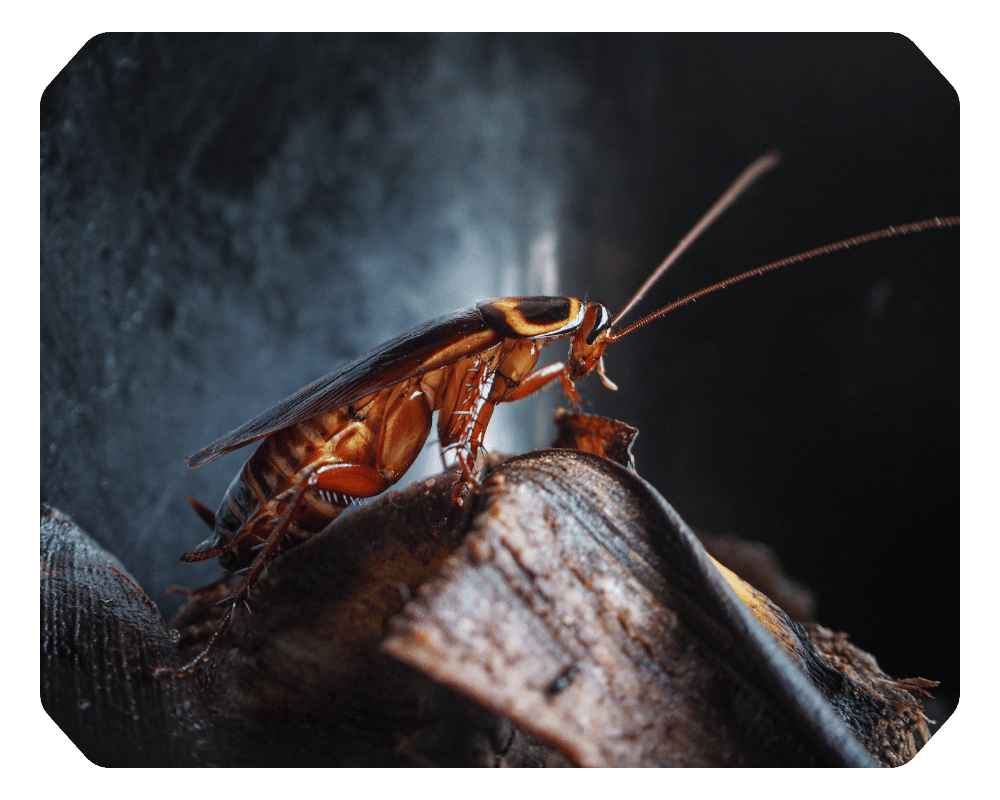

How Can You Prevent Cockroach Infestations?
Cockroaches are hard to control once they’re present on your property; their innate survival, elusiveness, and reproduction rates allow a couple of roaches to quickly snowball into pest pandemonium. This makes prevention key to a roach-free residence.
To protect your home or business: repair plumbing leaks or anything causing extra moisture, store food in sealed containers (including dog food, squirrel food, and birdseed), empty trash cans regularly (and keep lids tightly on), and clean up spills, crumbs, and other types of food or drink residue.
Blocking entryways is important too, and sealing cracks and gaps near vents, pipes, windows, and doors is key to not only keeping out roaches but also other New Jersey jinxes. Other helpful steps include reducing clutter (especially in easy-to-access areas like garages) and cutting back vegetation near your home.
Regular inspections from our Kapture team of pest professionals are among the most effective ways to control already-established infestations, and addressing minor issues empowers you to avoid major problems.
If you suspect an infestation or simply crave pest-free peace of mind, contact us today for a thorough, friendly, and comprehensive assessment.