
Jump To Section

Learn From The Pro's
Ticks have plenty of drawbacks, especially when it comes to their disease-spreading ways. But they are part of a natural order, which means they have benefits, too. Even so, they’re most advantageous when they stay in their native habitat and away from your home.
Benefits of Ticks
(Yes, This Pest Has Some Perks!)
It’s only natural for ticks to tick you off; after all, these pests suck (literally!). But like many of Mother Nature’s creatures, they’re not all bad. In fact, there are many benefits of ticks, even if infestations lack much appeal.
One of their most important roles is as a food source for wildlife. They’re part of the circle of life, providing sustenance for everything from birds, reptiles, and amphibians to spiders and insects. They also play a role in population control, as tick-borne diseases can impact how many wild animals survive and reproduce. They’re a small piece of a big picture, supporting biodiversity by interacting with hosts, pathogens, and other animals.
From a scientific perspective, ticks are useful in research. Studying tick saliva has offered insight into everything from disease transmission and inflammation to blood clotting and immunity. Environmentalists study ticks as well, tracking them to better understand climate change, habitat, ecological shifts, and evolving wildlife populations.
The Dangers of Ticks
While there are some benefits to ticks, there are plenty of drawbacks, particularly when they leave their natural habitats and end up in your pet’s fur, on your skin, or in your living room. The biggest threat is disease; ticks transmit a variety of illnesses. Lyme disease is the most notable, but ticks can also infect their hosts with anaplasmosis, Rocky Mountain spotted fever, Powassan virus disease, and babesiosis (and more!).
Ticks infect both people and pets, although dogs are at greater risk than cats. Dogs are susceptible to Lyme disease, which can cause fever, lethargy, swollen lymph nodes, painful joints, and limping; in severe cases, it can affect the kidneys.
Cats are most susceptible to tularemia (also known as rabbit fever), a serious bacterial infection spread through tick and fly bites. Cats are exposed to it when they catch, kill, or eat infected animals (often rabbits or mice). Infected cats frequently show severe symptoms, including high fever, swollen glands, loss of appetite, lethargy, and vomiting.
People can get tularemia from tick bites, but it’s transmitted more easily through contact with infected cats, by breathing in dust from contaminated soil, and by eating or drinking contaminated food or water. However, it’s not contagious between people. No matter who’s infected, pet or person, tularemia is effectively treated with strong antibiotics; untreated cases can escalate, leading to scary complications.
Checking for Ticks
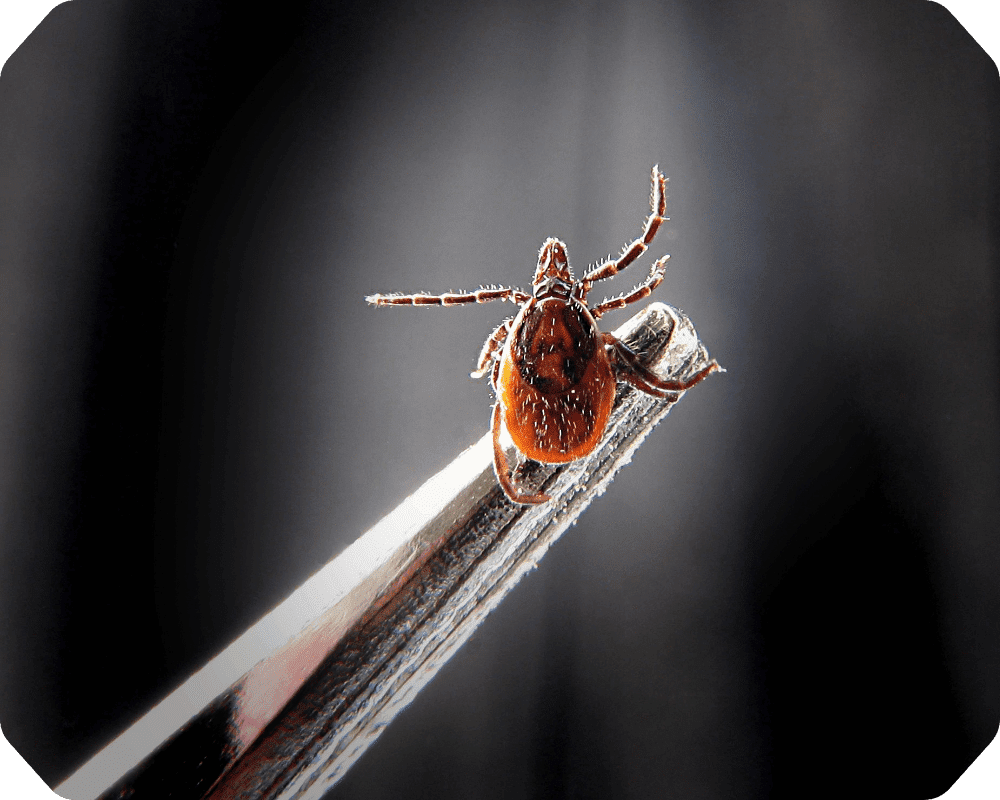
Ticks are small, parasitic arachnids (not insects) that can’t fly or jump; rather, they latch onto close-passing hosts by reaching out their legs and hanging on. Many ticks can go for over a year without a full blood meal, allowing them to bide their time until a person or animal comes close enough for a successful hitchhiking mission.
Ticks differ in size depending on species; some are as small as poppy seeds, while others are more comparable to apple seeds. Either way, they’re tiny trespassers that can be difficult to see unless you’re carefully looking.
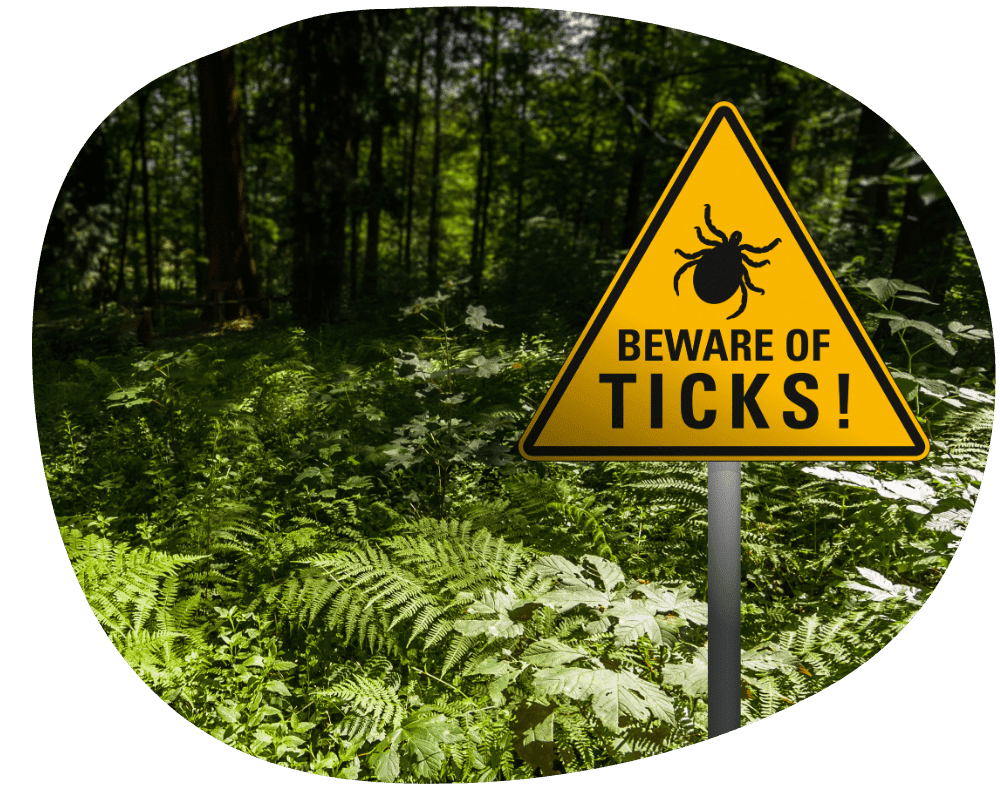
You usually don’t need to check for ticks every time you’ve been outside. Taking a stroll around your neighborhood, visiting a farmer’s market, or going for a bike ride down suburban streets doesn’t typically present a risk. Instead, activities like hiking, camping, mountain biking, and venturing through wooded pockets, tall grasses, or vegetation-heavy areas give ticks ample opportunity to turn you into a bug buffet.
To check for ticks, pay particular attention to your scalp/hairline, groin, armpits, and waist, as well as between your toes and behind your ears and knees. Pets, because they regularly roll, frolic through vegetated areas, and explore everything that smells interesting, are at higher risk than humans. To check cats and dogs, focus on ears, eyelids, neck, near the tail, and between the legs and toes. It’s often easier to feel ticks than to see them; they feel like small bumps under the skin or fur.
Ticks don’t just get into the home by latching onto people and pets; they can also latch onto backpacks, blankets, clothing, and other fabrics. Thoroughly checking these when returning from a hike or camping trip can dramatically reduce the risk of bringing ticks indoors.
Creating a Tick-Deterrant Property
Keeping ticks away from the home isn’t always possible, especially if you have cats and dogs. But there are certain steps you can take to reduce the presence of these annoying arachnids.
Because ticks thrive in vegetation, keeping grass short, pulling weeds, and removing leaf litter and other debris around your yard takes away their natural habitat and increases the odds they’ll set down roots elsewhere. Playgrounds, patios, and outdoor dining areas should also be free of vegetation.
If you live near wooded areas, creating a barrier of wood chips, rocks, or gravel might keep ticks separate from people and pets. Discouraging deer and rodents, which ticks are naturally drawn to, is helpful, too. If deer or mice frequently show up on your property to sample your garden or steal birdseed from the bird feeder, they might bring ticks with them.
If you live in a tick-heavy area, ask your vet for tick-prevention tips, vacuum regularly (which can suck up these wayward suckers), wash pet beds and blankets weekly, and tumble-dry your clothes on high heat, killing any ticks who’ve hitched a ride.

We Tick All the Boxes
There may be some benefits to ticks, but tick infestations only come with drawbacks. If you’re dealing with these tricky trespassers, we’re here to help. We use fast-acting, family- and pet-safe, and eco-friendly solutions to treat infestations quickly and efficiently. Contact us today to learn more about our comprehensive assessments, custom-made plans, and preventive maintenance.