
Jump To Section

Learn From The Pro's
Bed bugs are extremely common in New Jersey. As evasive and nocturnal parasitic pests that feed on human blood, infestations can be difficult to control. However, you’ll dramatically reduce the odds of bed bugs showing up in your home with a few proactive steps.
What Prevents Bed Bugs?
Bed bugs are commonplace in New Jersey, with its dense population, high housing turnover, and commutes. But just because these mattress-menaces frequent apartments, houses, and hotels, you’re not destined to share your property with a parasite. Knowing what prevents bed bugs is one of the best ways to keep these pests away.
Reducing clutter can make your home less attractive to bed bugs, for reasons you might not expect. These pests aren’t attracted to trash, debris, or food crumbs the way roaches and ants are, but excess “stuff” provides places where they can hide, blend in, and avoid detection. Less clutter deters them while helping make preexisting infestations more obvious. Vacuuming regularly helps keep clutter in check and might even suck up a bed bug egg or two.
Another way to reduce your odds of battling these creepy crawlers is to seal cracks and gaps, cutting off their access points. If you live in a building with shared walls, such as apartments or townhomes, this is especially important, as adjoining units make it relatively easy for bed bugs to move from one home to another.
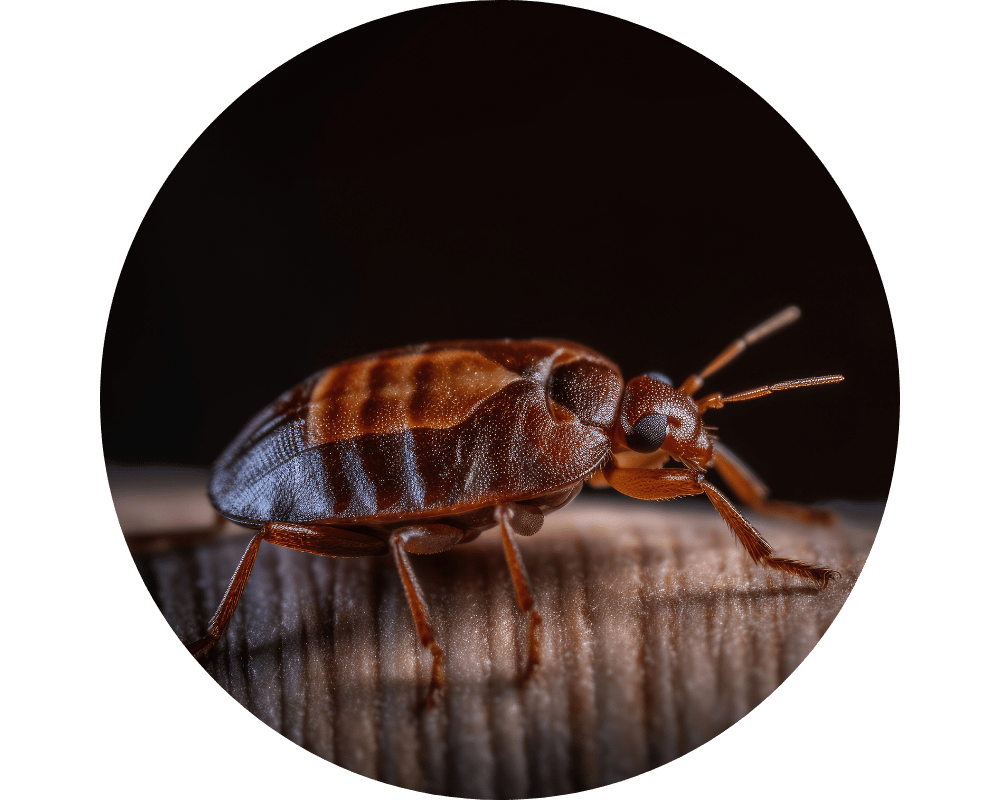
Even with the above, what prevents bed bugs comes down to what you bring into your home more than anything else. Most bed bug infestations happen when these insects hitch rides on luggage while you’re traveling or on furniture (including mattresses) that you purchase elsewhere and lug into your bedroom.
Hotel rooms are hotbeds of bed bug activity, including those in luxury high-rises. You can’t always tell if bed bugs are present, so a good rule of thumb is to never place your luggage on beds; use luggage racks instead. Keeping suitcases up high and away from the floor, bed, and chairs reduces the risk of hitchhikers.
When you buy furniture, inspect it carefully before bringing it inside. Used furniture is the riskiest, as it’s been lived in and exposed to other homes, but new furniture can also harbor infestations if warehouses have unwanted, pesky guests.
If you do your laundry in a community laundromat (or a shared apartment laundry room), consider transporting clothes in sealed bags, especially if you live in an apartment with a history of bed bug issues. Using public transportation poses some risk as well, although the bed bug-commuting link is strongest in travelers staying at hotels.
Using mattress encasements might not stop bed bugs entirely, but they can help you identify infestation issues and act before things spiral out of control.
Tiny Pests With a Thirst for Blood
Now that you know what prevents bed bugs, perhaps you’re curious about what these insects actually are. Officially known by their fancy alias, Cimex lectularius, bed bugs are blood-feeding bugs that strongly prefer human blood. Although they’ll bite dogs, cats, rabbits, rodents, and other mammals, people are palate-pleasing because of our exposed skin, sleeping patterns, and the amount of heat and CO2 we produce.
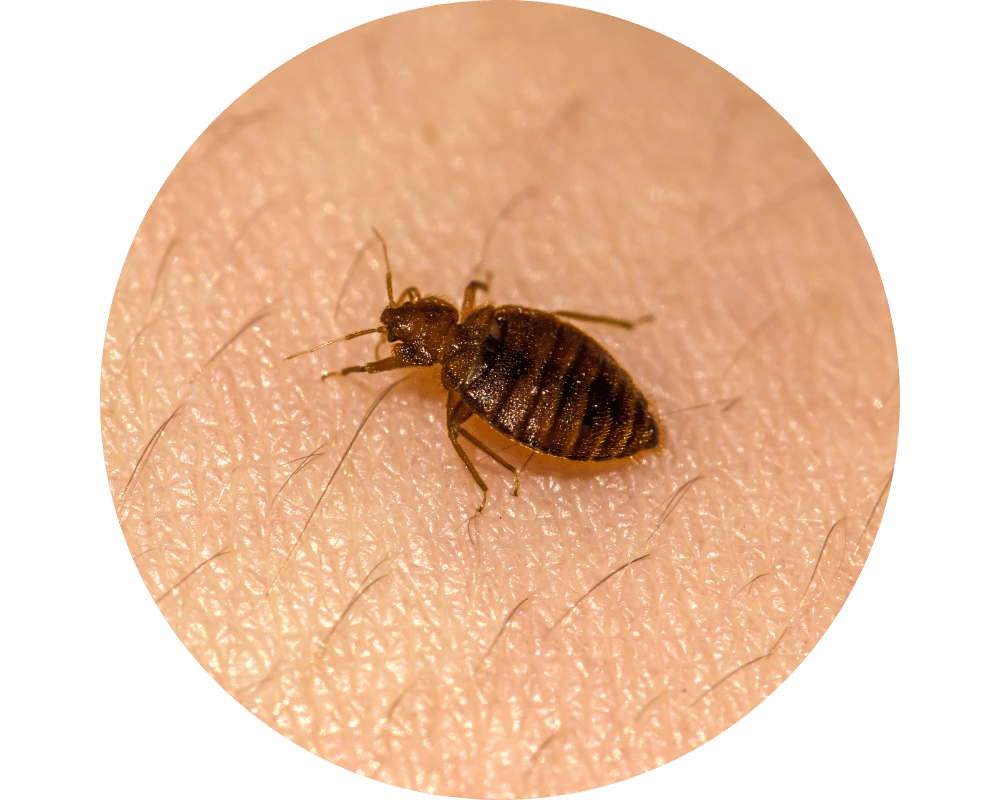
Bed bugs are flat, reddish-brown bugs that look like apple seeds with legs. They can’t fly or jump, so they get from point A to point B purely by crawling; they often hide in tight, fabric-lined crevices (such as the stitching of a suitcase). They’re found all over the world, but they only live among their food source (i.e., us!).
Like many pests, bed bugs are uber efficient reproducers. They lay eggs at a slow, steady pace, allowing hidden infestations to grow larger.
Are Bed Bugs Dangerous?
Bed bugs come with plenty of “ick” factor, as the idea of bugs crawling all over you while you sleep (or, really, any time) doesn’t exactly paint a rosy picture. But grossness aside, bed bugs aren’t as inherently dangerous as other types of pests.
Unlike mosquitoes, ticks, and rodents, they don’t spread disease and aren’t vectors of any contagion. Unlike termites, carpenter ants, and rodents (yet again!), they don’t chew through wood or cables. Yet this isn’t to say they don’t have a dark side.
Bed bug bites cause itchy, red, and swollen welts; if you’re allergic, these welts tend to be more reactive. Scratching these bites can introduce bacteria and risk a secondary infection, such as impetigo, folliculitis, or cellulitis. This isn’t common, but it does happen, and the more you get bitten, the higher the risk.
In rare cases, life-threatening allergic reactions can occur. Anaphylaxis is much less likely from a bed bug bite than from ingesting a peanut or getting stung by a bee, but there are documented cases. Signs of this include asthma-like symptoms, breathing difficulties, a swollen tongue, blisters, fever, an irregular heartbeat, and lethargy. Anyone experiencing this after being bitten by bed bugs (or anything else) should seek emergency medical care.
Beyond physical issues, bed bugs also mess with your sleep, as their creeping and crawling can lead to tossing and turning. They mess with your mind too, causing anxiety and hypervigilance, so much so that your mind might play tricks on you. They also cause embarrassment, even though bed bugs can be found anywhere.
If infestations are particularly stubborn, you might have to discard furniture (such as your mattress or recliner) to ensure these bugs are gone for good.
Signs of a Bed Bug Infestation
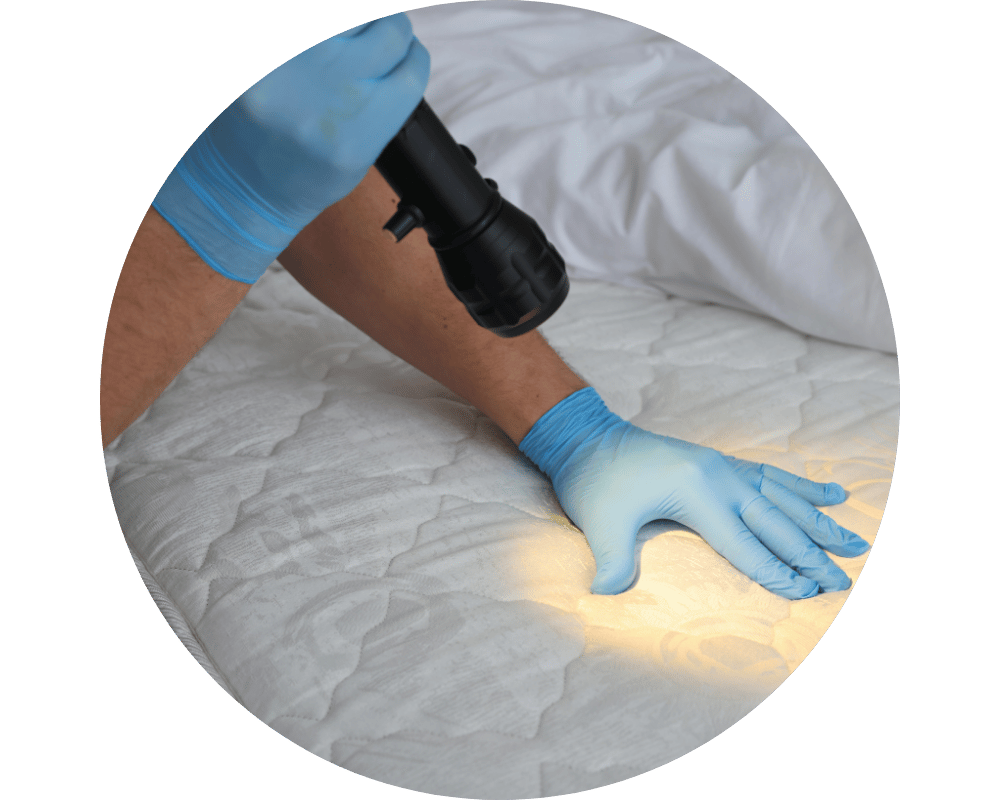
Due to their nocturnal nature, bed bug infestations aren’t always easy to spot. In fact, bed bugs spend most of their lives hiding inside mattresses, baseboards, and outlets, emerging for about 20 minutes a night to feed. In other words, the odds of seeing a bed bug out and about aren’t high (especially when infestations are small), but other signs point to their presence.
Bites are by far one of the most obvious signs; if you wake up in the morning with a cluster of itchy welts on your arms, legs, or torso, you might consider that your bedroom has been commandeered (assuming you don’t have eczema or another skin or allergy condition). You might also see indications that bed bugs were in your sheets, such as tiny black dots (their fecal markings) or red blood stains. Bed bugs shed their skin as they grow, so seeing exoskeletons is another sign of these blood-thirsty brats.
If infestations are unruly, you might smell a musty scent in the air. Large infestations also make bed bugs much more visible. You might find groups hiding in picture frames or behind headboards, or (most frighteningly) see them crawling on the wall when the lights are off. Their eggs (tiny, white, and grain-like) might be visible in cracks, at wood joints, or along fabric seams.

Bugs Bugging You? We Can Help!
At Kapture, we specialize in treating a variety of New Jersey pests, including bed bugs. We offer same-day services, custom-designed plans, and a double-money-back guarantee. Our eco-friendly, fast-acting solutions remove bed bugs from your property, and our preventative maintenance keeps them from coming back. Contact us today for more information!