Jump To Section

Learn From The Pro's
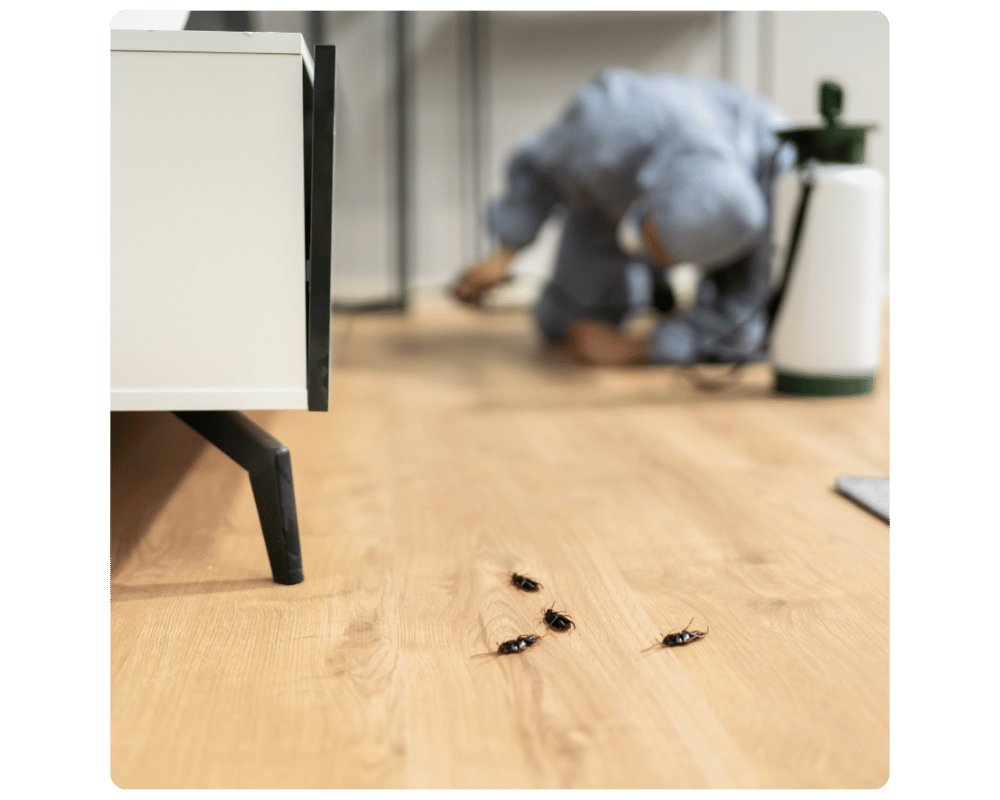
Humane pest control is effective when pests are in small numbers. Once full-blown infestations occur, it can be very difficult to treat pests with catch-and-release methods. Even when sparse, some pests, such as roaches, ants, and bed bugs, are exceedingly hard to treat humanely due to their fast reproduction, adaptability, and elusiveness.
Humane Pest Control
Is It Effective?
Humane pest control is the act of removing pests without harming them. It can include things like trapping a spider in a glass and putting it outside, using essential oils to ward off wasps, or trapping mice in no-kill contraptions and releasing them at a park (while “Born Free” plays in the background, of course). In a perfect world, humane measures would be the norm; in a pest-filled world, they only work some of the time.
One of the biggest limitations of ethical pest control is the size of the infestation. Pest control is a numbers game, and removing a handful of pests with gentle methods is much easier than addressing a thriving infestation. Not only that, but certain pests tend to evade humane methods more readily than others.
Termites, for example, often fly under the radar until the infestation is large and in charge (of eating your subfloor). Once they’re actively feeding, it’s often not possible to capture them all and relocate the colony. Bed bugs also present a challenge, mainly because these parasitic night prowlers are excellent hiders and nocturnal; you can’t catch them if you’re not exactly sure where they are.
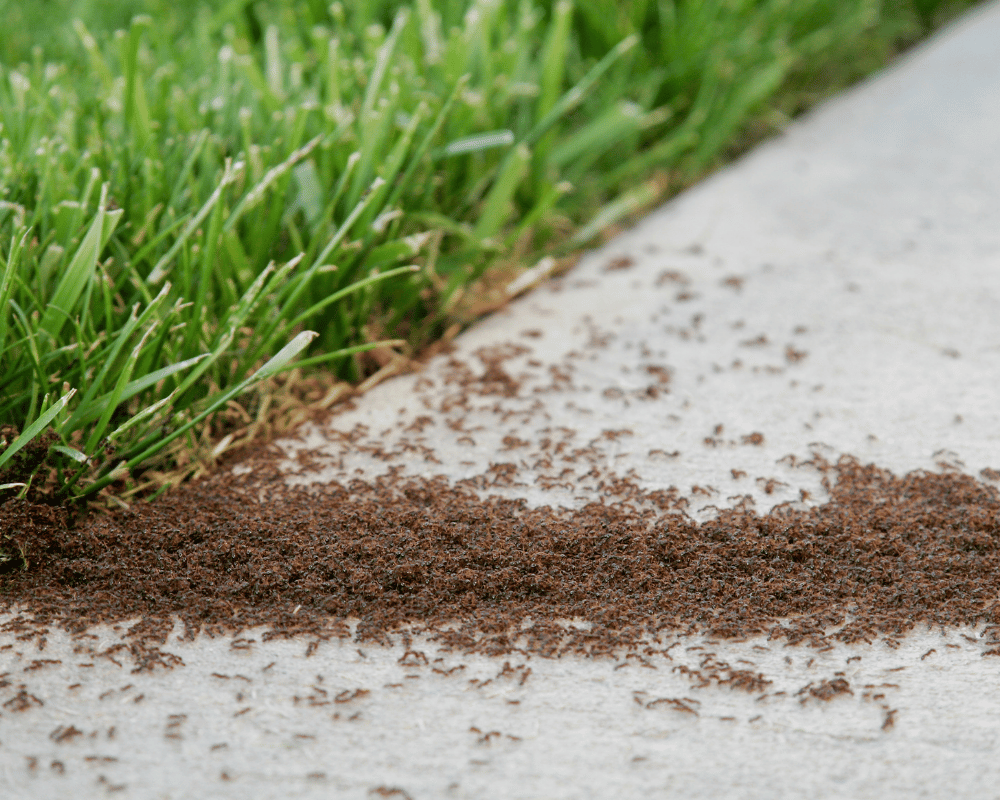
Cockroaches and fleas present similar difficulties because of their hidden eggs. Even if you successfully catch and release live insects, the cycle will repeat once those eggs hatch. Ants are tricky because of their queen-protecting ways. The ants you’re most likely to see (and catch) are worker ants; the queen stays hidden, out of sight, and somewhere safe where she can reproduce in peace and quiet.
Other species that often evade humane pest control include ticks, mosquitoes, beetles, pantry moths, flies, and mites . . . although any species gets tricky if infestations are large enough.

Sealing entry points helps keep
termites and other pests out.
Why Prevention is the Best Control
The best way to employ ethical pest control methods isn’t through traps or waterglasses; it’s through prevention. Whether you’re worried about insects, arachnids, or rodents, there are several ways to deter pests and keep them out of your house.
First things first . . . consider entryways. (After all, pests can’t invade your home unless they can penetrate the perimeter.) Unfortunately, even biggish pests (like rats) don’t need much space to enter and can wiggle through impossibly small gaps. This requires you to seal off pretty much every crack you can find, paying close attention to areas around pipes and cables. Other ways to close off access include adding door sweeps, repairing tattered window screens, double-checking chimney vents, and keeping doors tightly closed when not in use; your cat might enjoy an open deck door, but so will flies, wasps, beetles, and other pests.
Another major factor in preventive pest control is attractants; from food to moisture, all sorts of things appeal to pests and make your home a fabulous place to set down roots. Food sources are both obvious and subtle, including uncovered pantry items, overflowing bird feeders, half-filled pet bowls, crumbs, and spills. Water sources range from leaking faucets and broken pipes to clogged roof gutters and bird baths.
Another way to deter pests is to make it difficult for them to hide. This requires a decluttering process both indoors and outdoors. Inside, make sure typically messy rooms (like storage rooms, crawl spaces, and garages) are tidy and orderly; if they’re full of stuff (including cardboard boxes), they’ll provide dark and quiet oases for pests. Outside, clear out leaf piles, debris, wood piles, and dense vegetation. Pests living in your yard might not seem that problematic, but outdoor pests often become indoor pests, especially as winter approaches.
When Do Humane Methods Actually Work?
Humane pest control methods are generally only successful before true infestations exist and only a handful of pests have infiltrated. It’s not overly difficult to catch four or five mice in your garage in a humane trap; 30 or 40 presents a much steeper challenge.
With early action and proper placement, these traps might be successful. To up the odds, make sure to put them along travel routes, against walls, and near signs of activity (nesting debris or droppings). Also make sure you use species-appropriate bait; using peanut butter for a mouse often works . . . for a spider, not so much.
Put out several traps rather than just one, and check traps at least daily. That way, caught creatures aren’t left without food or water. When releasing, make sure to abide by city laws, as these often differ from jurisdiction to jurisdiction.

New Jersey’s Seasonal Invasions
Not every New Jersey nuisance is likely to invade year-round; many pests are seasonal intruders, allowing you to be more proactive at certain times. In spring: ants, termites, carpenter bees, mosquitoes, ticks, and flies are problematic. In summer: ants, mosquitoes, and ticks continue their reign of terror, joined by cockroaches, wasps/hornets, and fleas.
Come autumn, the most problematic pests include mice, rats, stink bugs, lady beetles, spiders, and (once again) cockroaches. These are also the most likely creatures to invade in winter (or invade in autumn and just stay put); silverfish are winter pests as well.
While they may be more bothersome during warmer or colder seasons, many of these pests, including rodents, roaches, and spiders, can be found indoors year-round. Those that die off with freezing temperatures, such as wasps, generally offer homeowners a reprieve once cool weather arrives.
We Nip Infestations in the Bud
At Kapture, we’re here when infestations get out of control (and even when they don’t!). We treat a variety of New Jersey pests, including carpenter bees, beetles, spiders, rodents, roaches, and wasps. Whether you need treatment for your yard, outbuilding, or home, we can help! We offer same-day services, preventative maintenance, and fast-acting, family-safe treatments. Contact us to learn more about our innovative methods, five-star reviews, and double-money-back guarantee.