Jump To Section

Learn From The Pro's
Silverfish infestations are common in New Jersey. They invade year-round, enticed by humid indoor conditions. Because they hide in deep cracks, are nocturnal, and live long lives, infestations can persist for years without notice. Large numbers of silverfish might indicate underlying moisture problems.
Silverfish Infestation in New Jersey
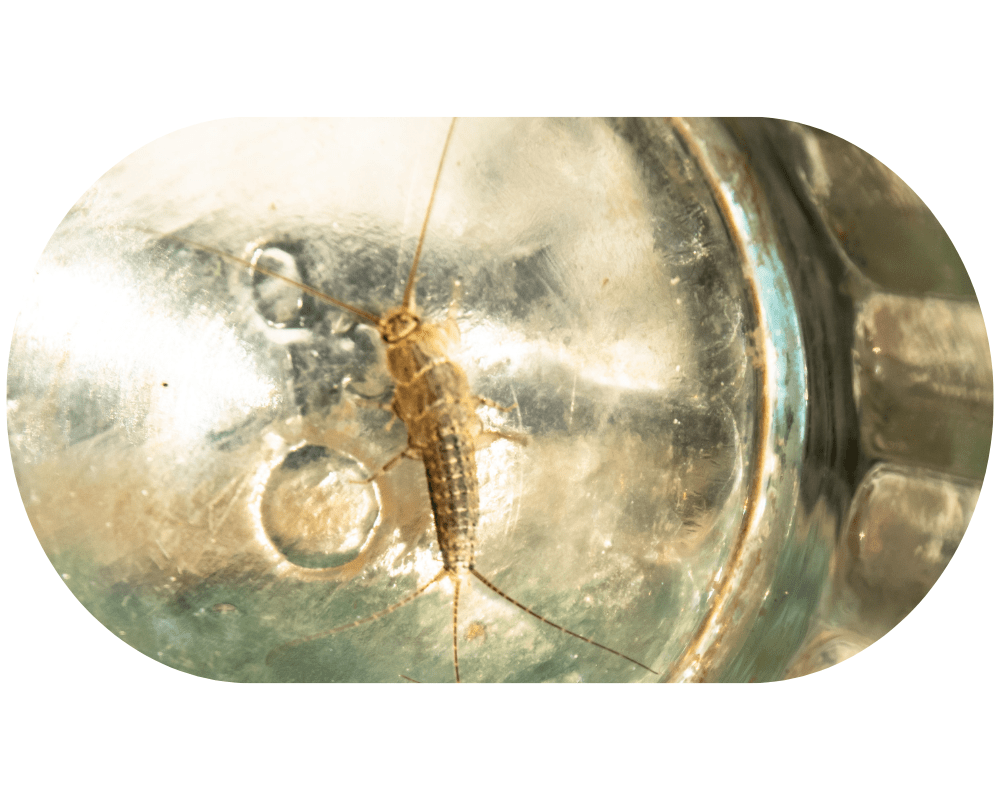
Silverfish are small insects with silvery-grayish bodies. They don’t fly and instead crawl via wriggling movements. With a penchant for dark, moisture-prone places, silverfish infestations are most common in bathrooms, kitchens, attics, closets, basements, and laundry rooms.
Silverfish are common in New Jersey, mostly due to the state’s high humidity. While they can be found in any home, they frequently invade older homes, especially those with gaps, cracks, and aged plumbing systems. These infestations are common in winter, but they may infest whenever waterlogged conditions are present, including after heavy summer rains.
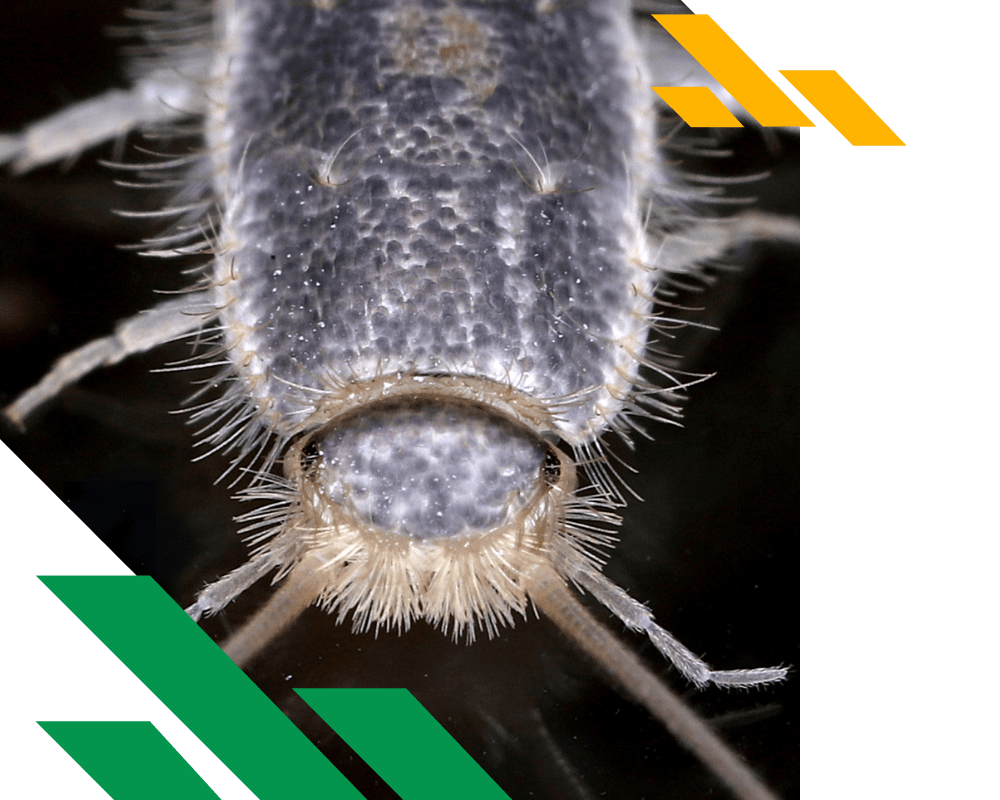
Silverfish feed on carbs and starches found in everything from paper, glue, and fabrics to books and boxes. They eat some foods, too, such as cereal, oats, flour, and coffee (who can blame them there?). Their variable palate allows them to easily find sustenance nearly anywhere indoors. They can feed on old clothes stored away, as well as crumbs and food debris. Wallpaper paste is a go-to meal for silverfish hiding behind walls.
Due to their small size, silverfish hide effortlessly, slipping into baseboards, cabinets, walls, boxes, and more. They reproduce indoors as well, which makes infestations tricky; unlike wasps, crickets, millipedes, and earwigs that wander indoors accidentally, silverfish enter intentionally and can flourish inside.
Are Silverfish Dangerous?
Silverfish infestations aren’t usually dangerous to people or pets; they don’t bite or sting, and they don’t spread diseases (at least none that are known), although they may trigger allergies. Most of the damage they cause is to your things; they might damage books, clothing, wallpaper, and fabrics. They can also destroy photographs and important documents (such as birth certificates or property deeds). If silverfish manage to get into your pantry, they can contaminate dried food, including pasta, crackers, and sugar.
Large populations of silverfish might indicate moisture issues on your property. You might have something minor (such as clogged roof eaves) or a larger issue like leaky pipes, improper ventilation, foundation seepage, and hidden water damage. Everyday moisture problems, like running the washing machine more often than usual, may also draw them.
How to Keep Silverfish Away From Your Home
Silverfish issues aren’t always avoidable, as some pests determined to get in just might find a way. Still, with a few DIY chores and home upkeep, it’s possible to dramatically decrease the odds of pest invasions.
Because silverfish are drawn to humidity above all else, making your home less of a humid hotspot is the best way to deter these crawlers; consider using dehumidifiers in places that tend to get dank (such as basements) and improving ventilation when doing things like washing laundry.
If you have plumbing problems, such as leaky faucets or cracked pipes, repair these as soon as possible; this won’t just deter silverfish but all kinds of pests that use your leaks as their personal watering holes.
Closing off access also counts; silverfish wiggle in through cracks and gaps around walls, windows, baseboards, and pipes. Sealing them off, caulking or re-caulking, and adding things like doorsweeps and weatherstripping reduce entryways and make it harder for all kinds of pests to make your home their home.
Since silverfish feed on a wide range of items, it’s almost impossible to keep everything out of sight, but storing important documents, photographs, and dry foods in sealed containers protects them from destruction. If you have something especially valuable, such as a Mickey Mantle or Lou Gehrig baseball card, don’t store it anywhere a silverfish may lurk; keep it in an upstairs closet, a lock box, or, perhaps, around your neck.
Reducing clutter, in general, makes your home less appealing to nearly all pests (as they appreciate places where they can hide, blend, and live undisturbed). This doesn’t mean your home must be immaculate, but tidiness, organization, and regular vacuuming reduce infestations and make those that already exist more noticeable (and more actionable).
When Do Silverfish Invade?
Silverfish infestations can happen year-round. They invade during winter to seek moisture and warmth, but they don’t stay out when warm weather beckons. Wet weather tends to increase indoor humidity, giving them reason to infiltrate.
As mentioned above, silverfish reproduce indoors, which means they aren’t really limited by Mother Nature’s moods. Unlike wasps and other insects that die off in freezing temps, silverfish just keep going; they simply take their show on the road . . . to your basement.