
Jump To Section

Learn From The Pro's
If your dog ate a stink bug, don’t panic! Stink bugs aren’t poisonous, but your pet may still show signs of irritation. While you should always call a vet if they’re acting off and appear sick, stink bugs are likely more of a threat to your home than your animals.
Dog Ate Stink Bug . . . Should I Be Worried?
If your cat or dog ate stink bugs, don’t panic; stink bugs don’t have venom, they’re not toxic, and they can’t poison your pet. This isn’t to say that they won’t react, however; any time a pet eats an insect, they might respond unfavorably, drooling, vomiting, experiencing GI upset, or pawing at their mouths because they dislike the taste. They could even have an allergic reaction, although these are usually mild; general irritation is way more common.
Your initial response might be to rush your furry friend off to urgent care, where you’re most likely to receive little more than reassurance and a $500 vet bill. But most stink bug ingestions can be treated at home.
Start by offering your pet fresh water; this will help them rinse the unpleasant taste from their mouth. Next, offer a small snack; a tiny bit of kibble, a bowl of Alpo, or a milkbone might further clear the taste. If your pet will let you, check their mouth for irritation; it might look red or inflamed. Monitor it to ensure it gets better instead of worse.
If your pet’s symptoms don’t improve or seem serious from the get-go, call your vet. Repeated vomiting, lethargy, or the refusal to drink or eat that lasts or worsens warrants professional attention.

Why Pets Eat Bugs
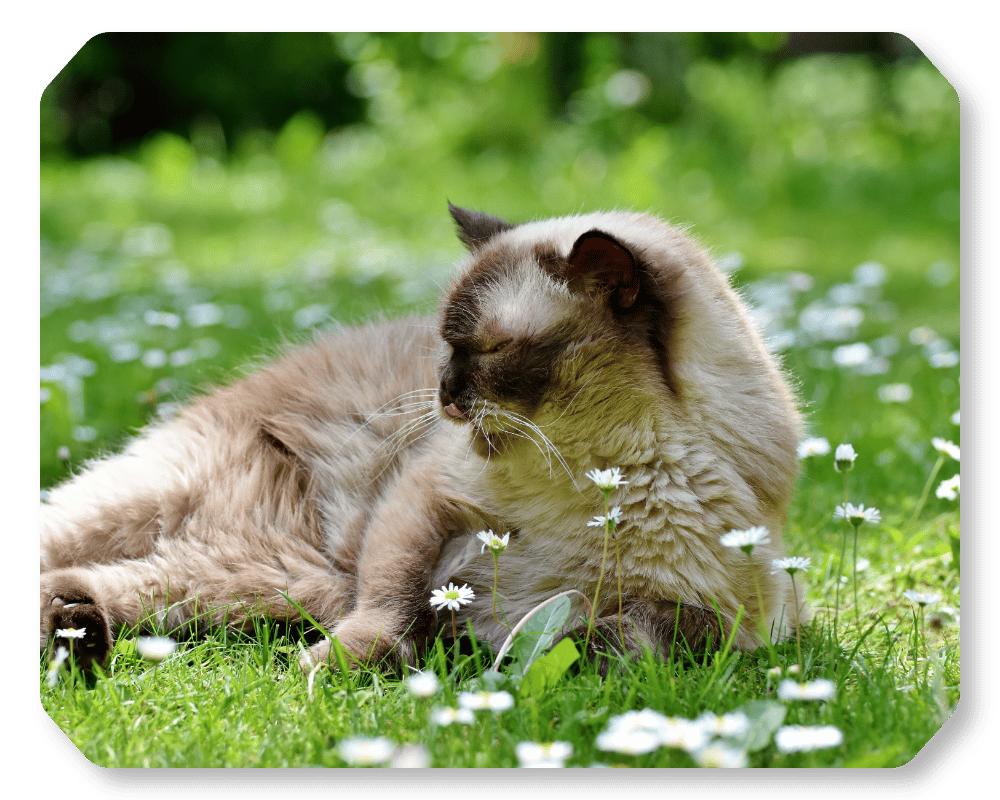
The reasons dogs and cats eat insects come down to several factors. Part of it is due to predatory instinct, where watching a creature crawl across the floor triggers hunting behavior. This is more likely to happen in certain breeds of dog with high prey drives (such as huskies, shepherds, and dobermans), and it’s quite common in cats. Unlike dogs, cats aren’t domesticated in the true sense of the word, and they strongly maintain their natural instincts.
Another reason you might find yourself googling “Dog ate stink bug” is animal curiosity. Pets often explore the world around them through their sense of taste; they lick things they shouldn’t, chew on things that are bad for them, and eat everything from toenail clippings to candy wrappers. Dogs, particularly, seem as though they’d rather feast on something terrible than not feast at all. Some may even choose to eat bugs as a source of protein.
Play behavior is another reason; both cats and dogs enjoy the chase, and they find stalking, pouncing, and toying with insects stimulating. They’re likely to do this more often when they’re bored or understimulated.
If your dog or cat ate a stink bug, there is at least a silver lining; since stink bugs smell terrible, they probably taste terrible, too. Thus, your pet is unlikely to make digging into a stink bug smorgasbord a regular thing.
The True Nuisance of Stink Bugs
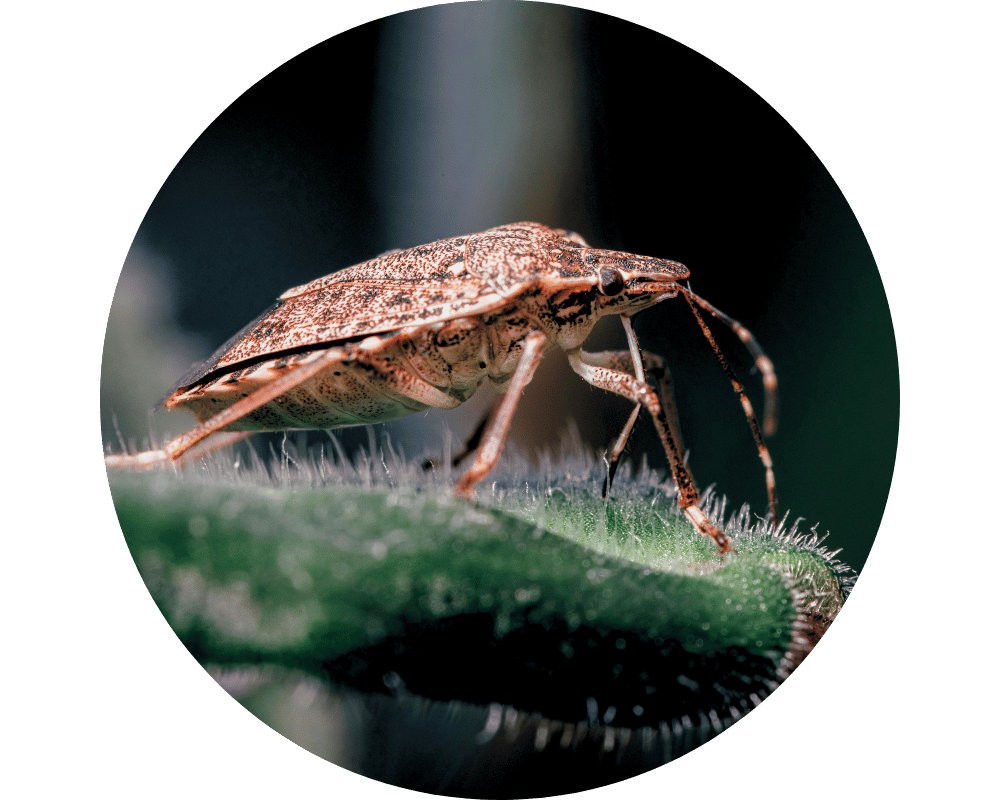
If your dog or cat ate a stink bug, it might be a sign you have an infestation. Spotting one or two stink bugs on your living room walls could be bad luck; seeing several is typically a warning that more are lurking behind the scenes.
Other signs of stink bugs include seeing them in their go-to places, such as near windows, near lights, or on sun-facing walls (which offer them warmth). You may also see them near entry points, gathering along cracks, vents, and gaps. Stink bugs may be especially prominent in attics and crawlspaces; they enter hidden areas as winter approaches, looking for somewhere warm and cozy to wait out the cold.
True to their name, stink bugs stink. This pungent odor is usually described as a strong, lingering smell that resembles cilantro. They release it when threatened, disturbed, or crushed. Once released, the odor can persist for a few minutes, a few hours, or a day. It’s stronger in poorly ventilated areas, small rooms, and carpeted rooms; carpet fibers trap the odors and make them last longer.
Outdoor infestations aren’t a guarantee that you have an infestation as well, but they do increase the odds. If stink bugs are drawn to the exterior of your property, they’re more likely to enter the interior once the great outdoors become just so-so.
Keeping Stink Bugs Out of the Home
Taking away your pet’s midnight snack might annoy Rover or Mittens, but a pest-free property is a much happier home than one ridden with unwanted guests. To keep out stink bugs, take the same steps you would to deter virtually any pest.
Start by sealing off entry points; stink bugs can squeeze through gaps as small as three millimeters. To close off access, seal foundation cracks, recaulk gaps, replace torn screens, install door sweeps, and close off gaps near utility lines and pipes. Stink bugs are clumsy yet strong fliers, which means they can access gaps and cracks well above ground.
Changing outdoor lighting is a smart step as well. Stink bugs, like all kinds of insects, are highly attracted to light, and bright-white bulbs act like a North Star guiding them toward your property. Yellow, softer-lit bulbs offer less of a draw; turning lights off when you’re not using them is an even better solution.
Cutting down vegetation, particularly if it’s near or touching the side of your home, also reduces the lure of your house. Vegetation offers all sorts of pests a place to hide, nest, breed, and forage, upping the odds that they’ll jump ship from outside to inside.
Natural repellents might help, too. Stink bugs are deterred by the smell of mint, garlic, citrus, vinegar, eucalyptus, tea tree oil, and lavender. In other words, stink bugs dislike things that stink. . .oh, the irony!
Keeping Pests Under Control
At Kapture, we specialize in a variety of New Jersey nuisances, including stink bugs and other insects that overwinter in walls and ceilings. Our same-day services, custom-designed plans, and innovative solutions treat pests and keep them away for good. Contact us to learn more about our eco-friendly treatments and double-money-back guarantee.