
Jump To Section

Learn From The Pro's
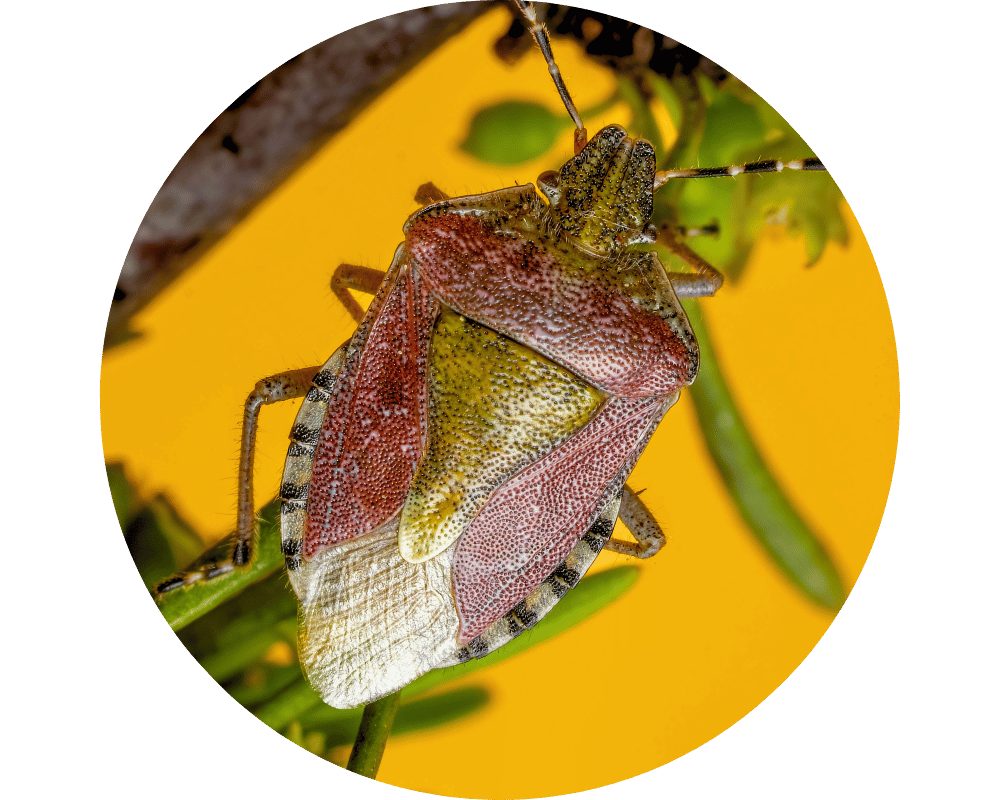
Stink bugs are known for their stinking habits rather than their biting ones. But just because they don’t bite doesn’t mean you want them in your home. When scared, handled, or squished, stink bugs emit a foul-smelling odor and live up to their name.
Do Stink Bugs Bite?
You already know that stink bugs stink . . . their name kind of gives it away. But are these New Jersey jinxes multi-tasking menaces? In other words, do stink bugs bite too?
The quick answer: No.
Stink bugs are distinct from parasitic pests, such as mosquitoes, ticks, and bed bugs, in that they don’t feed on human blood; they’d much rather avoid you than taste you.
These pests may occasionally attempt to bite if they’re handled (especially roughly) or if they’re accidentally trapped against your skin, which could happen if they’re caught in blankets, clothes, towels, or gloves. But this isn’t harmful to humans because they can’t pierce the skin; even if they could, stink bugs aren’t venomous and don’t transmit disease. They can trigger allergic reactions though; it’s not their bite attempts but their secretions, saliva, proteins, and tissues that summon sneezing, sniffing, and wheezing.
Stink bugs might “bite” once in a blue moon, but do stink bugs bite with their teeth?
No; it turns out, they don’t have any!
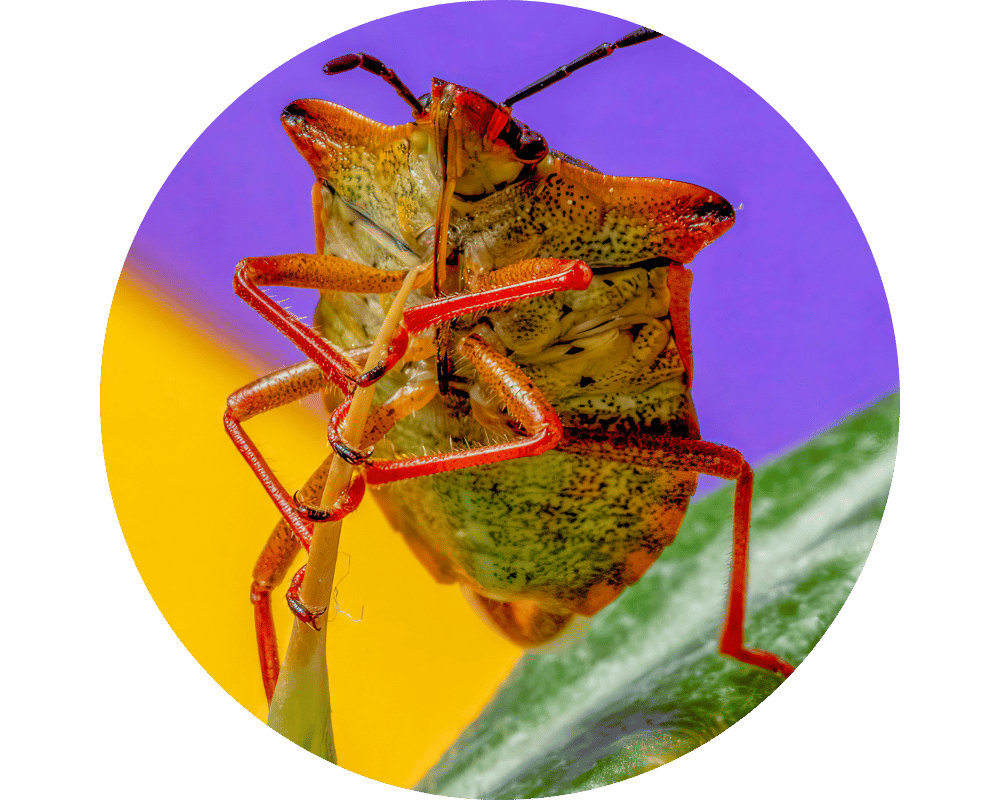
Instead, stink bugs have piercing mouthparts called rostrums; these are tube-like structures with tiny, needle-like parts used to pierce plants and suck juice from fruits, vegetables, and seeds. On the rare occasion that stink bugs feel trapped, they might try to use their rostrums on your fingers. Since this can’t penetrate the skin, this attempt is unlikely to result in little more than a small pinchy sensation (if anything) and, perhaps, a bit of bug embarrassment.
Why Stink Bugs Stink
Stink bugs aren’t exactly known for their pleasant odors . . . stuck with a reeking reputation that precedes them. But while they might emit aromas that are pungent and unwanted, there’s a reason for their characteristic scent.
Stink bugs release odors from glands located in their thorax, using these emissions as a defense mechanism and letting loose when they feel threatened, when they’re disturbed, or when a predator gets too close. They also release odors when crushed, teaching you not to smoosh them!
The smell is potent enough to repel hungry birds, lizards, spiders, and more. It’s powerful enough to signal to nearby stink bugs, telling them to be on alert. And it’s memorable enough to discourage future attacks; just like people learn not to drink expired milk, predators learn not to eat foul-tasting insects.
Although stink bug odor is largely regarded as unpleasant, how it smells tends to differ among people. Some folks find it skunky, while others think it smells like burnt rubber. Some find it chemical-like, while others think it smells like rotting vegetables.
Some people think it smells like cilantro, especially those who possess the genetic mutation that makes this leafy herb taste like soap. This phenomenon is likely because cilantro and stink bug odor both contain aldehydes, organic molecules that easily evaporate into the air (vanilla, cinnamon, and roses contain these as well). For those who possess olfactory receptors sensitive to these molecules, stink bugs might smell a little like dinner.
How Can You Avoid Stink Bugs
Stink bugs seek out shelter when cooler weather approaches. Unlike other pests, such as termites and mice, they don’t breed inside your home; unlike spiders, they don’t live there year-round. Rather, they take the insect interstate looking for a cozy place to hunker down and spend the holidays, ring in the New Year, and wait until spring arrives.
Preventing their grand entrance comes down to a few simple steps. For starters, seal off entry points, which are any holes or gaps giving creatures outdoor access to the indoors. Stink bugs might not bite, but they can still enter your home through tiny cracks in the foundation, underneath doors, through torn window screens, via exhaust vents, and, in an homage to Santa Claus, down the chimney; adding fine mesh helps keep these grinches from gaining entry. Because stink bugs are clumsy but efficient flyers, they easily reach access points that other pests miss.
Next, switch up your outdoor lighting; like many insects, stink bugs are highly attracted to light: the brighter, the better. Turning off outdoor lights at night (when not using them) and switching out harsh bulbs for warm-colored LED bulbs make your property less attractive to them.
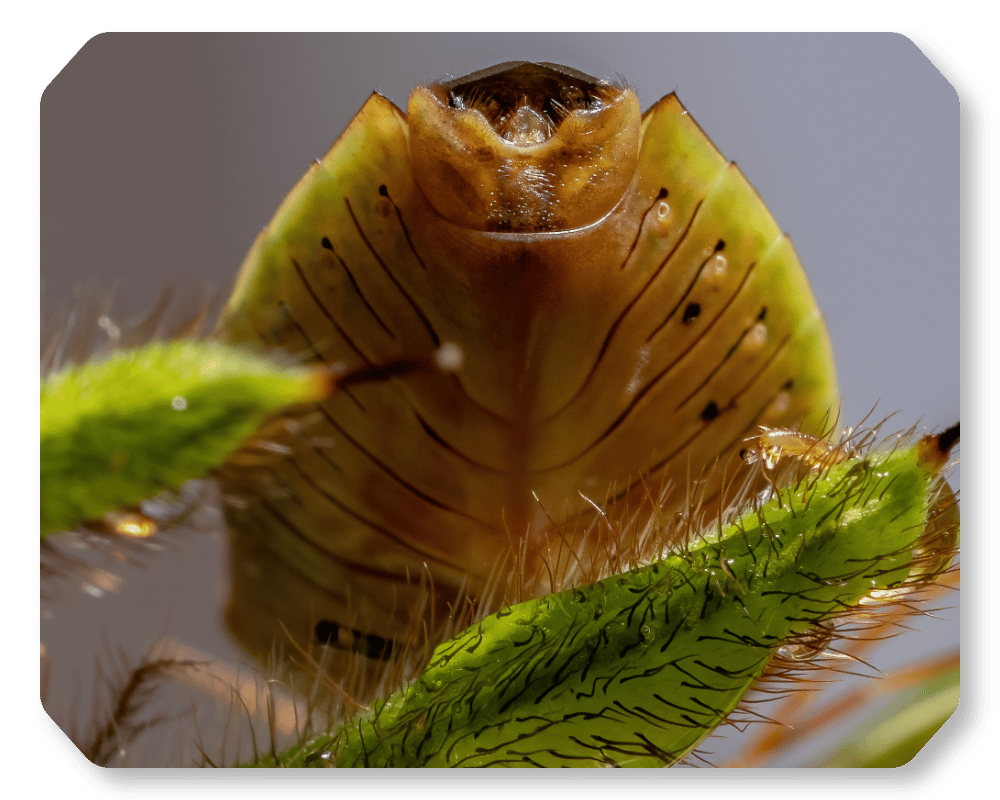
Vegetation also exudes plenty of insect appeal; bushes and trees touching your home provide places for stink bugs to hide, give them somewhere to gather, and make the outside-to-inside route more direct. Keeping shrubs trim and tidy, and reducing yard clutter altogether, makes your grounds less appealing to pests of all kinds.
Finally, don’t forget to make sure the items you’re bringing into the home aren’t being hijacked. Stink bugs have been known to hitch rides on firewood, boxes, plants, and patio furniture.
Stink Bug Infestations: The Signs
So . . . do stink bugs bite? Well, even though you know it’s rare, that doesn’t mean you want to share your home with these stinkers. While one or two might not be much of a threat to your sense of smell, infestations aren’t uncommon, especially as fall approaches.
Signs you have an infestation include frequent sightings (on walls, windows, ceilings, or drapes), groups of insects gathered near lights or sun-drenched window sills, a pungent odor lingering in the air, and the sound of buzzing (when stink bugs are in flight).
Your back or front yard can offer hints as well. Large gatherings on porches or decks, plant damage, and egg clusters (greenish-white eggs on the underside of leaves) all suggest noxious nuisances.

Giving Stink Bugs the Stink Eye
If you find stink bugs inside your home, don’t crush them; they’ll quickly stink up the joint!
Instead, give Kapture a call; our same-day appointments, fast and friendly service, and eco-friendly solutions give stink bugs the stink eye and keep them away for good. Contact us today to learn more.