
Ringwood Ant Control

Ant Control in Ringwood
Not only can ants contaminate food with bacteria, but some species can cause structural damage. That’s why we offer Ringwood ant control!
When you see one ant, you can be sure there is a long line of their friends following right behind. Once they find a good source of food, they move in and stock up! Since they are on the hunt for food and water, rooms with more moisture, such as a kitchen or bathroom, can be their ideal spot to call home.
As a result, an ant infestation might get overwhelming and become hard for you to control. Kapture Pest Control is the best business to take care of your unwelcome guests for homeowners dealing with Ringwood ant control problems in the Passaic County area.
Are you a Ringwood, NJ, resident and need your ant problem under control?
Call Kapture Pest Control!
Kapture Pest Control is a Ringwood ant control business based in Old Tappen, NJ. At Kapture Pest Control we are committed to making (and keeping) all homes in the Passaic County area free from ants, and all pests alike. We take Ringwood ant control seriously! So, if you see ants, call 888-811-5813 for a no-obligation phone consultation and estimate.
The Kapture team is made up of diligent experts when it comes to ants and how to best remove them from properties in Ringwood, New Jersey.
Are you looking for great customer service, same-day service, and the #1 experts on all things ant control? Turn to Kapture Pest Control for your needs!
Contact Us for a FREE No-Obligation Phone Consultation & Quote!
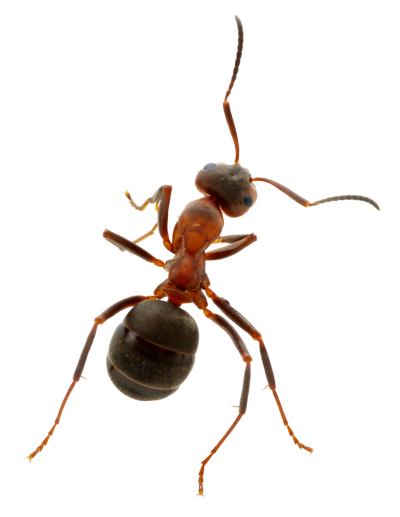
For the #1 top-rated, same- day service, ant control company in the area, call Kapture Pest Control today!
When dealing with ant infestations in Ringwood, New Jersey, our technician will identify the location of the ant issue before treatment. This allows us to make a targeted application right in their nesting site instead of just spraying blindly. We also ensure to carry out ant control treatments which entail blocking entry points and deterring ants from coming into the home.

Ringwood, Choose Kapture Ant Control
Kapture Pest Control has a reputation for producing the best results with as little hassle in Ringwood ant control in Passaic County. So, if you live in Ringwood, New Jersey, call the Kapture Pest Control ant removal experts today for any pest control services needed for your property.
Integrated Pest Management (IPM) for Ants
Integrated Pest Management (IPM) stands as a beacon in the realm of sustainable and environmentally conscious pest control practices. As we delve into the intricacies of IPM, it becomes evident that this approach is not just a methodology but a philosophy that transcends conventional pest control strategies. In this article, our focus turns to a specific facet of IPM – the management of ants, exploring how this holistic approach harmonizes with nature to strike a balance between effective pest control and ecological preservation.
Understanding Integrated Pest Management (IPM):
Integrated Pest Management, or IPM, is an ecosystem-based strategy that aims to control pests through a combination of biological, cultural, physical, and chemical measures. The primary goal is to manage pests in an economically viable, environmentally sustainable, and socially acceptable manner. Rather than relying solely on chemical pesticides, IPM takes a multifaceted approach that considers the complex relationships between pests, their natural predators, and the environment.
The Lifecycle of Ants:
Before delving into the specifics of ant management through IPM, it’s crucial to understand the lifecycle of ants. Ants undergo a complete metamorphosis, comprising four stages: egg, larva, pupa, and adult. Colonies can vary in size, and each caste within the colony plays a distinct role, contributing to the overall survival and function of the ant community.
Identifying Ant Species:
Not all ants are created equal, and recognizing the specific ant species infesting an area is a fundamental step in implementing effective IPM for ant control. Different species may exhibit distinct behaviors, nesting preferences, and food preferences, influencing the most appropriate IPM strategies for their control.
Cultural Practices in Ant Management:
Cultural practices form the cornerstone of IPM for ants. These practices involve modifying the environment to discourage ant activity and create conditions unfavorable for their survival. Here are some key cultural practices:
- Sanitation: Maintaining a clean and hygienic environment is pivotal in ant management. Ants are attracted to food residues, spills, and crumbs. Regular cleaning and proper food storage help eliminate these attractive food sources, reducing ant infestations.
- Sealing Entry Points: Ants often gain access to structures through small cracks and openings. Sealing these entry points, both indoors and outdoors, can be a highly effective preventative measure.
- Landscaping: Modifying the landscaping around structures can impact ant behavior. Avoiding the placement of mulch or vegetation directly against the building can discourage ant nesting near structures.
Biological Control:
One of the unique features of IPM is its reliance on natural predators to control pest populations. In the case of ants, biological control involves introducing or encouraging natural enemies that feed on ants or disrupt their colonies. Here are some biological control strategies:
- Ant-Eating Predators: Predators such as birds, spiders, and other insects can play a significant role in controlling ant populations. Encouraging a diverse ecosystem around the affected area can contribute to natural ant control.
- Beneficial Nematodes: These microscopic organisms can be applied to the soil to target ant larvae. Beneficial nematodes are a safe and effective biological control method, particularly in outdoor environmen