
Jump To Section

Learn From The Pro's
Sand fleas are not a single species, but an umbrella term used to describe small crustaceans, small biting insects that live in sand, and a parasitic flea mainly found outside the United States. In New Jersey, sand fleas typically refer to tiny insects that enter your home by accident. Unlike the common flea, they don’t hijack your pets; they’re most often brought in via beach gear.
What Is a Sand Flea?
Beachgoers run into all kinds of creatures when visiting the Jersey Shore, including whales, crabs, dolphins, and seals. Sand fleas are also commonly encountered, but what is a sand flea, exactly?
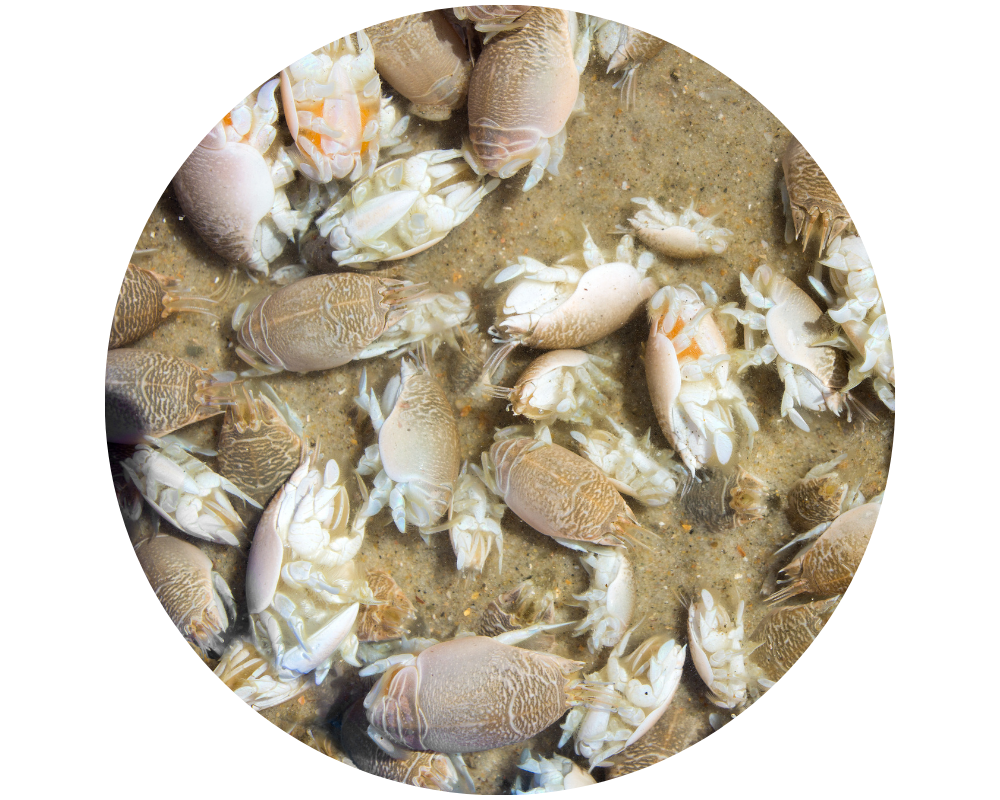
Sand fleas aren’t a single species but a nickname for a variety of small creatures found in sandy areas. These include tiny crustaceans, such as beach hoppers and sand hoppers related to shrimp. They live in moist sand, particularly near the high-tide line of beaches and damp marshes, spending their days in grainy hideouts and emerging at night to look for food.
Sand fleas also refer to tiny, biting, beach-dwelling insects (such as midges) found near beaches. The term is even used to describe the parasitic chigoe flea (Tunga penetrans), but these fleas are found in tropical and subtropical regions rather than New Jersey.
The animals and insects that share the name “sand flea” typically prefer beach life; they like to live in wet sand, seaweed, and decaying organic matter (home sweet home!). But this doesn’t mean they never venture away from the shore. While they don’t infest intentionally, you might inadvertently bring them into your house via sand-filled towels, shoes, pails, and swimsuits.
Are Sand Fleas Dangerous?
Now that you know the answer to “What is a sand flea?”, it’s natural to wonder if these creatures are dangerous.
Sand fleas, in general, are not harmful to people or pets, at least not those native to New Jersey. The chigoe flea, found elsewhere in the world, is another story. This flea can cause tungiasis, a painful, inflammatory skin condition that usually affects the feet and toes; it occurs when pregnant female fleas burrow into human skin to feed on blood and produce eggs.
Tungiasis is transmitted through direct contact with the chigoe flea or infested animals (including dogs and cats); walking barefoot on beaches in endemic areas is a major risk factor. While it can become life-threatening due to its serious complications, including severe pain, abscesses, gangrene, and tetanus, it’s curable by removing the flea and applying topical treatments or using cryotherapy. In the US, infections are almost exclusively limited to world travelers or those who’ve recently moved here from other countries and warmer climates.
Sand fleas in New Jersey don’t pose the same danger, although biting insects, whether they live in sand, mud, or soil, can leave itchy, irritated welts that sometimes lead to secondary infections if they’re repeatedly scratched or if bacteria enters the wound.
If sand fleas make their way into your home, they won’t damage it the way termites or carpenter ants do; they’re reluctant trespassers who want to return to their grainy grounds. Other types of fleas are much more likely to infest; if you repeatedly spot fleas, it’s likely the cat flea, which gains access to the indoors by nesting in the fur of cats and dogs.

How Do They Enter the Home?
As mentioned above, sand fleas might get into the home when you bring sand from the beach into your kitchen, living room, or mud room (something that’s practically impossible to avoid after a day on the shore). Crustaceans brought in will quickly die because they need ocean water to survive.
Biting midges may also enter homes through open doors or windows if those homes are located near their natural habitats. They don’t enter intentionally the way termites, ants, or roaches might, but there are still a few things that attract them. Homes with moisture or organic debris around the exterior property are attractive to all sorts of pests, including beach bums.
Unlike more common fleas, sand fleas don’t feed on pets (except for the chigoe flea found outside the US); if they’re brought in by Muffin or Mittens, it’s purely by accident.
Signs of an Infestation
Knowing the answer to “What is a sand flea?” won’t necessarily keep them out of your home, but they’re among the animals least likely to infest. Other pests have a reason to enter; termites want to eat your subfloors, roaches want to raid your pantry, and bedbugs want to channel their inner vampires and suck your blood. Pests like mice, rats, spiders, and ants often seek shelter, food, and safety, perks most homes provide. Sand fleas, however, are different and, with fewer hide-and-seek skills, may be easier to spot.
These tiny crustaceans might be found on floors, near entryways, and in damp areas, wherever you dump your swim gear when you come home. If you find them alive, put them back in the water as soon as possible to give them the best chance of survival. Biting midges and other tiny sand-seeking insects are more minute and thus more difficult to track. Signs of these insects in your home include unexplained itchy bites (especially after spending time on the beach or other sandy areas), which are frequently found on the feet, ankles, and lower legs.
Itchy cats and dogs, along with specks of flea feces in pet bedding, are the result of common fleas, not sand-loving ones. Because sand fleas are an umbrella term for various species, it can be difficult to accurately identify their presence; we can help you sort out the confusion.