
Jump To Section

Learn From The Pro's
Mice might be cute and fuzzy, but they’re not ideal roommates. Disease-spreaders, contaminators, and chewers, they threaten both house and home. They’re quick and efficient breeders, which is why removing them as soon as possible helps avoid costly problems.
Mouse Exterminator For Rapid Rodent Removal
The term “mouse exterminator” can understandably rub some people the wrong way, but mice running rampant in the home are even more annoying. From the lone mouse that shows up each time you host a dinner party (with your boss in attendance, of course) to the mouse couple on the verge of turning your living room into a mouse metropolis, sharing your home with these rascally rodents isn’t without hassle, harm, and headaches.
One of the greatest dangers of a mouse infestation is disease; they might be cute and furry, but they’re also vectors of all kinds of illnesses. The exact diseases they carry tend to differ by geography. In parts of the US, such as the Four Corners area and some parts of the West Coast, hantavirus is common.
In New Jersey, mice are more likely to have rat-bite fever, salmonellosis, tularemia, monkeypox, and leptospirosis. Lymphocytic choriomeningitis, a virus that attacks the nervous system, is especially common and is transmitted by breathing in contaminated dust or coming into contact with mouse droppings, urine, or saliva. Fortunately, most people who contract it have no symptoms and recover fully; those with impaired immune systems, underlying health conditions, and pregnant women are more susceptible. In rare instances, the virus can become life-threatening.
In addition to their disease-spreading ways, mice also do a number on your home. They’re avid chewers that chew as a survival mechanism, as their teeth never stop growing, and they’ll chew through just about anything. Although it’s annoying and costly when they chew through backpacks, blankets, and boxes, the true danger lies in your home’s electrical system.
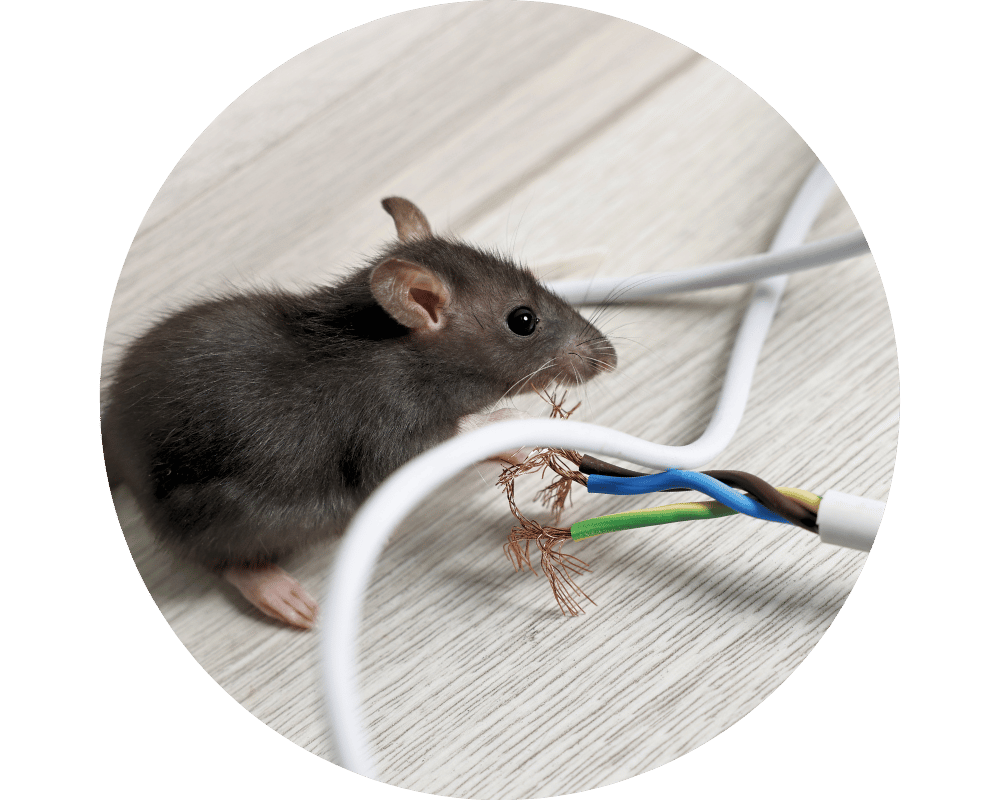
Mice have a knack for chewing through wires and cables, upping the odds of sparks flying and fires igniting. Modern-day systems typically protect homes from five-alarm blazes, but they’re not perfect; it’s estimated that rodents start 25% of fires of unknown origin each year.
In addition to being arsonists, mice chew through wood, drywall, and insulation, contaminate your HVAC system, and chew on plumbing components, which increases the risk of leaks. In the US alone, rodents cause billions of dollars in damage each year. . .and they do it in teams.
Mice are fast and efficient reproducers, which means you won’t have a few mice in your home for long; the average mouse’s pregnancy lasts just three weeks, and a female can get pregnant again 24 hours after giving birth. This is one reason mouse infestations are so difficult to treat through DIY methods; mouse exterminators, on the other hand, use thorough and comprehensive measures to remove meddlesome mice from every nook, cranny, and cabinet.
Signs You Need Pest Treatment
Signs you need a mouse exterminator range from subtle to obvious. Seeing a mouse (or more than one) is a clear indication of unwanted houseguests; persistent droppings in drawers, garages, boxes, and basements are other signs of these long-tailed troublemakers.
Of course, rodent sightings aren’t the only way to tell. You might hear scratching noises or rustling in the walls, in the ceiling, or behind the refrigerator; this is louder at night, when mice are out and about and looking for a quick meal. You might smell an odor, including the sharp and musky smell of urine; if mice die inside your walls, you might smell an even more pungent odor.
Mice also leave behind plenty of evidence, just short of writing “Mickey was here” in the kitchen pantry. Common signs of infestation include chewed wiring, teeth marks in food packaging, frayed cords and cables, grease marks along baseboards, and shredded papers, pillows, insulation, and fabric (anything that can be used for a cozy mouse nest).
Your pet might offer clues as well. Dogs might show interest in walls or behind appliances, bark or growl, or paw at the walls. Because of their keen sense of smell and keen hearing (several degrees stronger than humans), they might sense mice even when you don’t. Cats might show interest too (as much as they show interest in anything); they may also bring you a dead mouse. . .laying it next to you while you’re sound asleep, of course.

Why Mice Love Suburban Homes
Mice are especially prominent in New Jersey, with that state’s dense population, humid climate, older homes, cold winters, ample food sources, abundant wildlife, and urban-suburban mix working together to create the perfect pest storm.
People living in the suburbs often need a mouse exterminator, as cozy conditions provide breeding grounds (quite literally) for rodents. They’re a ‘burbs-or-bust species because residential areas offer easy entry points, warm shelters, places to hide (storage boxes, cluttered garages, jam-packed crawlspaces), and a variety of food sources (pet food, crumbs, trash cans). Apartments and townhomes foster a particular benefit, as shared walls allow mice to easily maneuver from space to space without exposing themselves to outdoor predators.
Although there’s no place like your home for the Average Joe mouse, many mice are first drawn to exterior properties before moving indoors. Front and backyards with bird feeders, pet bowls, gardens, woodpiles, and blooming foliage provide shelter, sustenance, and coverage that meet their basic needs.
This isn’t to say they don’t enjoy the city, too; they’re omnipresent in urban sprawls, but because they have to compete with rats in industrial areas and downtown corridors, the suburbs give them a bit of an escape.

Keeping Mice Away
Keeping mice out of the home isn’t always possible; they need very small gaps to enter, they’re smart, and they’re keen on survival. Nonetheless, there are several ways to reduce the odds of a rodent takeover.
A few simple tricks include sealing off entry points (near windows, doors, and foundations), storing food properly (keep it sealed in airtight containers and clean up messes promptly), cutting back on clutter (mice are drawn to mess because it gives them space to nest, breed, and hide), fixing leaky pipes (which act as water fountains for these furry fiends), and trimming branches and bushes near your home (this reduces the allure of your property).
If you happen to see a creepy, clever critter saunter across your garage or basement floor, act promptly. A few mice can turn into an infestation with just a litter or two.

New Jersey’s Premier Pest Patrol
At Kapture, we treat mice, rats, ticks, roaches, spiders, ants, and dozens of Garden State menaces. We offer same-day services, fast-acting solutions, and eco-friendly, family-safe treatments as well as custom plans to keep pests at bay and away for good. Contact us to learn more about our services, our methods, and our double-money-back guarantee.