
Jump To Section

Learn From The Pros
It’s easy to get confused when comparing the carpenter bee vs bumble bee out in the wild. They are basically the same size and look very similar. Up close, you can see the distinct differences between these two pollinators. The carpenter bee’s abdomen is solid black and shiny while the bumble bee has tiny hairs all over and is yellow and black in color. The bumble bee’s wings are also quite a bit larger than its look-a-like cousin.
Carpenter Bees and Bumble Bees: What’s the difference?
When the warm air from a spring breeze rolls in, you can hear the buzzing about of the various bees. Bees are an essential part of the ecosystem here on earth, but most people fret when they get too close for comfort. When it comes to the carpenter bee vs bumble bee, both of these larger bees often bring about more fear than the other smaller varieties.
Why are people so afraid of these larger bees, and do you fear that one sting from these mammoth insects could inflict great pain. If you’re sitting outside and enjoying the weather, you may find that you see a lot of these bees. When the number of visitors seems to increase, it could be because there is a nearby nest. Since they look so similar, how do you know whether you’re dealing with the carpenter bee or bumble bee? Let’s find out!
Carpenter Bees and Bumble Bees
At first glance, you assume carpenter bees and bumble bees are alike. Thankfully, some hallmarks make identifying these insects easy. Once you really study their physical characteristics, you will quickly see which pests have taken up residence near your home.
Bodies
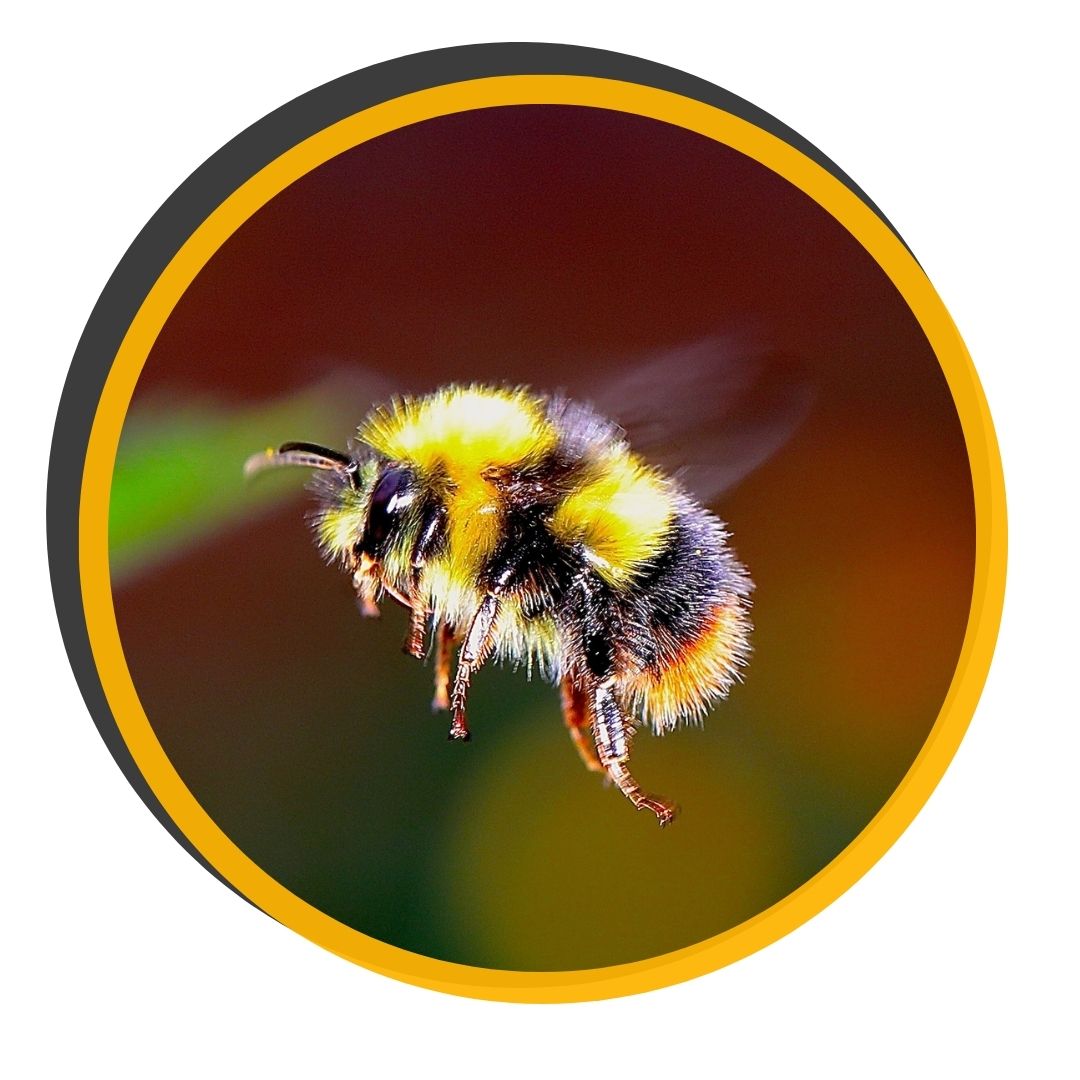
One of the most significant differences between the carpenter bee vs bumble bee is their abdomen. The carpenter bee has a shiny black body with no hair, while the bumblebee has a hairy body. Additionally, the bumblebee has some yellow mixed into their abdomen, whereas the carpenter is just black.
If you observe their flying patterns, you will also notice a marked difference. Carpenter bees are fast and they can dive and dart back and forth in an aggressive manner. They prefer to be alone, so if another bee comes close, they will chase them. On the other hand, the bumblebee tends to fly in a slower, smoother pattern as they move from flower to flower enjoying the company of other bees.

Behaviors
When comparing these bees, both large bodies make them intimidating, but neither is truly aggressive in nature. The carpenter bee is not a stinger. The male bee can’t sting at all because they don’t even have stingers. Only the female may feel inclined to sting if she feels she is in danger. The same is true of the bumble bee with the one caveat being that while similar, the bumble bee’s sting is a bit more painful.
Both the carpenter bee and the bumble bee are fierce when it comes to defending their nests, and they don’t mind stinging you a couple of times to get their point across.
The females can sting all day long, and it won’t mess with her reproductive system.
Diet
When it comes to the diets of a carpenter bee and bumble bee, you might be surprised. Many people think carpenter bees are like termites who eat wood, but these bees don’t eat the wood, they bore holes to nest in wood, and they love the unpainted variety. Carpenter bees tend to frequent areas where there are bare pine, cypress, cedar, and redwood planks. For some odd reason, the stain doesn’t bother them as much as paint, so if you have wood decking around your home, you may see them move in.
Bumble bees AND carpenter bees eat flower nectar and feed pollen to their larvae.
Life Cycle
There are 250 species of bumbles bees, and some will live longer than others. The queen will live about one year. The worker bumblebees live for about 2-6 weeks and the male bumblebee only lives about two weeks before he perishes as his only purpose is to mate with the queen.
The male carpenter bee lives roughly 12 months, but the female may live a bit longer. Like many other bee varieties, the male dies after he mates with the queen. One unique ability of these female bees is to store the sperm after she mates until she is ready to lay eggs.