

Professional Pests Control
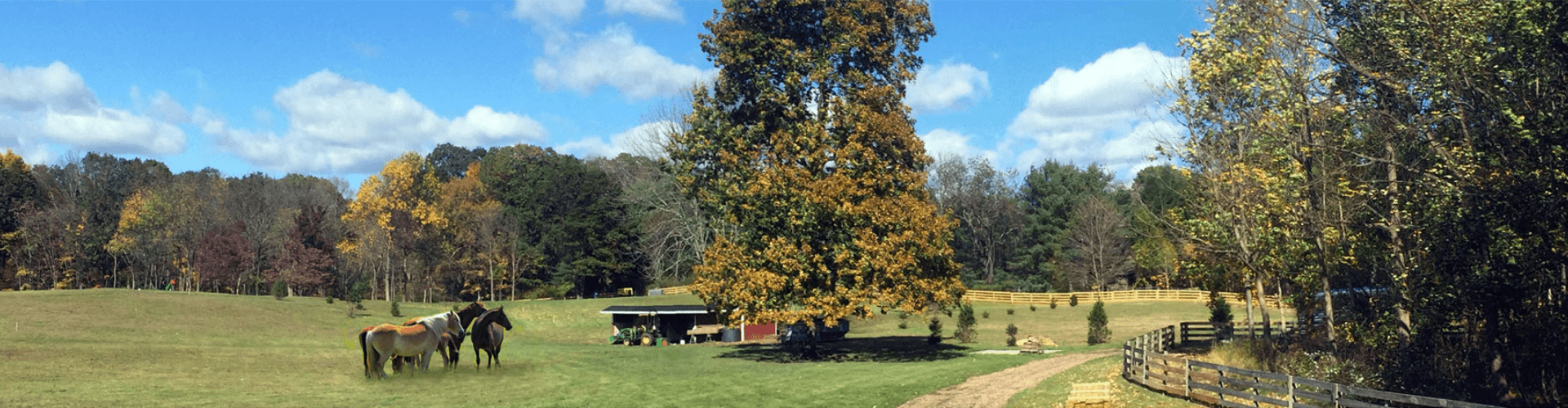
Saddle River is a peaceful, secluded suburb with luxury homes, open space, and majestic meadows. Among the most affluent towns in New Jersey and the US, it caters to high-end professionals, celebrities, and public figures. The pests aren’t impressed with prestige, however, and frequently enter homes and properties.
Jump To Section
Saddle River’s Serene Seclusion & High-End Aura
Saddle River is an open, forested suburb with plenty of rural personality and Monet-esque meadows. A place with winding roads, trickling streams, grand houses, and large residential yards (protected by strict zoning and development laws), this suburb is known for its peaceful, secluded essence. Its roots are deep, dating back to the 1700s and officially incorporated in 1894, with strong Dutch and agricultural influences.
Today, the town is buoyed by wealth; it’s one of the most affluent boroughs in New Jersey (and ranks among the most expensive zip codes in the nation). With a luxurious aura, it draws professionals, celebrities, entrepreneurs, public figures, executives, and financial wizards looking to escape the chaos of big-city living. While it lacks a major commercial presence, it offers walking and biking trails, scenic drives through the majestic countryside, and nearby golf courses and horse-riding facilities.
Garden Pests and Backyard Bullies
Like the surrounding areas, Saddle River is home to all kinds of colorful creatures. While many pests enter crawlspaces, attics, garages, and bathrooms, gardens and backyards are fair game, too.
Aphids are soft-bodied insects that congregate on plants and feed by suckling out sap, leaving behind a sticky honeydew. This doesn’t exactly keep botany booming; instead, it stunts the plant’s growth and causes mold growth. Aphids reproduce extremely quickly and commonly attack roses, fruit trees, vegetables, and ornamentals.
Japanese beetles are pests non grata in many Saddle River gardens; they’re a notorious East Coast invader, most active in spring and summer. They completely ravage plants, leaving behind nothing but veins, and they enjoy quite the garden variety in their diet, feasting on roses, grapes, and fruit trees.
Slugs and snails thrive in damp soil beds and, channeling their inner vampires, typically come out at night to feed. They’re most destructive to crops that grow low to the ground. When populations are high, they can wipe out entire seedlings (young plants), but that’s not the only evidence they leave behind; a trail of slime is a sign of snail or slug activity.
Squash vine borers feed on squash plants, pumpkins, and zucchini. Their larvae dig into a plant’s stem, cutting off its water supply, and causing total collapse and damage that appears seemingly overnight. They’re hard to detect, since they hide inside the plant, and are among the most irritating garden pests on the planet.