


Professional Pests Control
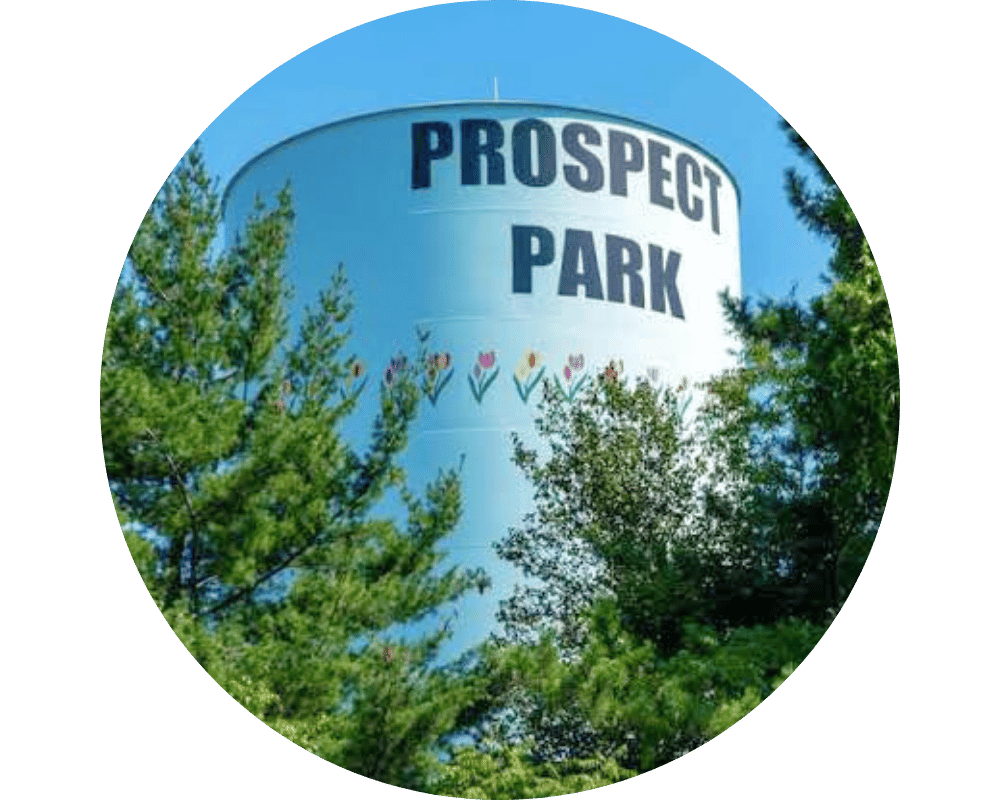
Prospect Park is a tight-knit community with a largely residential presence. Well known for its dynamic diversity, it’s influenced by Latin American cultures. Pests are common throughout the grounds and often enter homes in search of food and shelter.
Jump To Section
Prospect Park’s Tight-Knit Community and Rich Culture
Prospect Park is a small Garden State borough; it covers less than half a square mile and has a population of roughly 6,000, making it one of the smallest municipalities in Passaic County. A strong, proud, extremely tight-knit, and community-oriented region, the town is largely residential, with tree-lined streets, playgrounds, and bike-strewn driveways more prominent than coffee houses, eateries, or mini malls. It does have a walkable downtown, however, offering residents convenience through family-owned and mom-and-pop shops.
Like nearby New York, the borough has blossomed into a melting-pot mecca, with a particularly strong presence of immigrants from Latin America. Local festivals, community celebrations, and youth sports competitions are mainstays of weekend afternoons, while the nearby Garret Mountain Reservation draws outdoor adventurers and hiking enthusiasts. Although there are things to do, drinking with friends at happy hours isn’t among them; the town has been dry for decades, prohibiting the sale of alcohol since 1978. People can drink within the city limits; they just have to buy beer and liquor outside its boundaries.
Seasonal Infestations of Various Species
Prospect Park attracts a range of pests from various species, but certain critters, crawlies, and flyers are more common during each season.
In spring, carpenter bees, termites, wasps, spiders, fleas, houseflies, and ants are most common. Some species, such as stink bugs, emerge from wall voids as the weather warms. Other species, like termites, swarm this time of year, leaving the nest, mating, shedding their wings, and forming new colonies. Some species, like spiders, become more active because their prey (i.e., houseflies) become more active.
In summer, mosquitoes, ticks, yellow jackets, bald-faced hornets, crickets, horseflies, cicadas, and Japanese beetles hog the spotlight. Mosquitoes are particularly active, roused by the increasing moisture and drawn to standing water (bird baths, clogged roof eaves, kiddie pools) where they reproduce. Yellow jackets become increasingly aggressive, crashing barbecues and deck-side dinners in a quest for hamburgers or hot dogs. Cicadas keep people up at night, gathering in large groups and singing in a chorus to attract mates.
In fall and winter, many pests move inside Prospect Park properties, seeking warmth as temperatures drop. Common infestations include mice and rats, boxelder bugs, cluster flies, Asian lady beetles, spotted lanternflies, cockroaches, pantry moths, and earwigs. Some pests, like earwigs and spotted lanternflies, are primarily outdoor pests, with activity levels that vary depending on the weather. Earwigs go dormant during cold weather, seeking out damp areas and settling down until spring. Spotted lanternflies are unlikely to survive freezing weather; their eggs, however, are much more resilient.