Jump To Section

Learn From The Pro's
Roach eggs are signs of cockroach infestations. It’s rare to see individual eggs, as roaches produce them in cases, with some hiding them and others carrying them until just before they hatch. Cockroaches are prolific reproducers, allowing a handful to quickly turn into an infestation, with some species more prolific than others. If you find egg cases lying around your home, you might already have a pest problem.
Roach Eggs
What Do They Look Like?
Cockroaches take their egg-laying seriously; they didn’t get their long-standing survivor reputation by putting themselves at risk as a species. Roach eggs can be difficult to spot because of this; cockroaches keep their eggs in oothecae, which are essentially protective cases.
These cases look like small, tan or brown (or reddish-brown) capsules, roughly half an inch long; they resemble beans or seeds and get darker with age (in some roach species, they can turn almost black). They’re usually rectangular in shape with rounded or blob-like ends. They also have a ridged seam, almost like a zipper. This helps give them the look of tiny insect purses (never mind Coach; this is Roach).
The number of eggs per ootheca varies by cockroach species. Oriental cockroaches and American cockroaches have oothecae with about 16 eggs inside; German cockroaches (the most common species in New Jersey) usually have many more eggs per case, roughly 30-40.
What cockroaches do with their egg cases depends. Some roaches deposit them in hidden and protected locations, including cracks and crevices, behind appliances, beneath furniture, and under cabinets. German cockroaches, however, carry their egg cases with them, carefully guarding them until shortly before they hatch.
Not every ootheca contains viable eggs; some have already hatched, leaving only the case. Intact ones are likely to contain eggs, whereas those split open are signs of roaches already on the prowl.
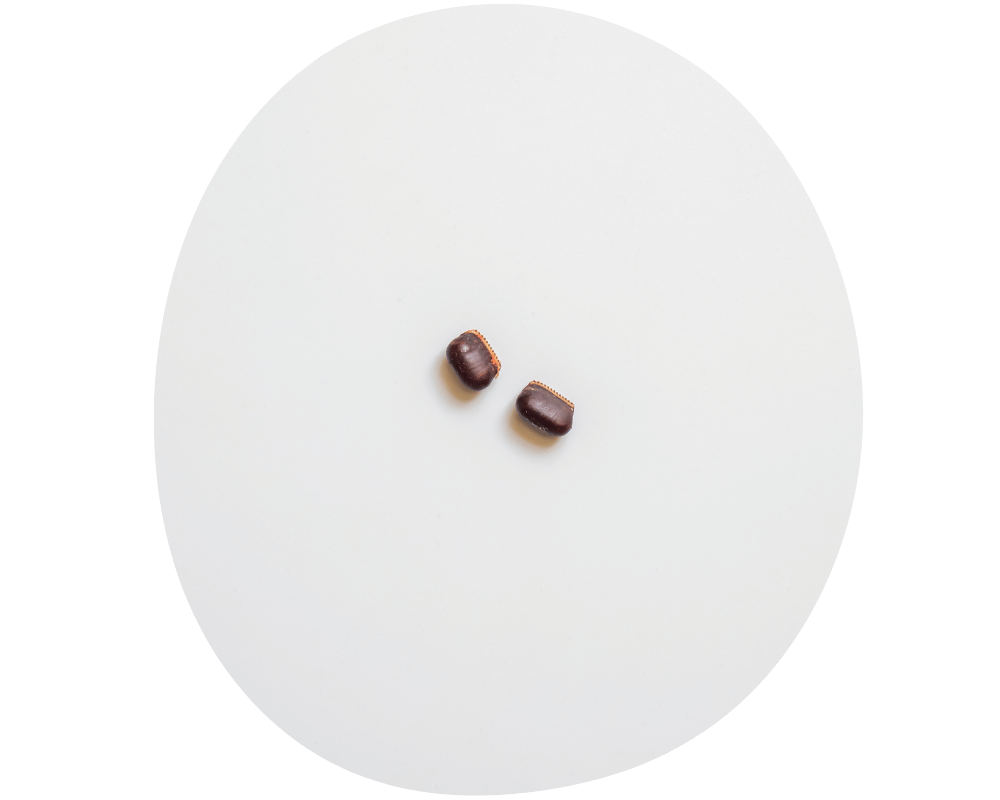
Roach Eggs to Adult Roaches
The Cockroach Lifecycle
The cockroach lifecycle involves three stages: roach eggs, nymphs, and adults. Female roaches produce their oothecae with multiple eggs inside. Once these eggs hatch, the nymph stage begins; nymphs look like adults, but they’re smaller and wingless. They molt their exoskeletons repeatedly as they grow.
While many species are excellent reproducers, German cockroaches are especially effective; their eggs hatch within 20-30 days and turn into adults in just a few months. Under ideal conditions, a female cockroach and her offspring can produce thousands of roaches within a year, which is exactly why infestations are hard to control through DIY measures.
By comparison, eggs in American, Oriental, and Brown-Banded species take much longer to hatch, ranging from six weeks to 12 weeks. This isn’t a hard-and-fast rule and things like warmth and humidity speed development. Cool temperatures, conversely, can significantly delay hatching.
Cockroach Species in New Jersey
There are several cockroach species in New Jersey, including the following:
German Cockroaches:
These roaches are thin, small, light brown, and accomplished infesters. They are especially drawn to warm and humid areas and are found in kitchens, laundry rooms, and bathrooms.
American Cockroaches:
A large species with reddish-brown colors, these roaches like dampness. They’re frequently found in basements, crawl spaces, and commercial plumbing areas.
Oriental Cockroaches:
These roaches are black or brown and tend to look greasy. They like cool, dank areas; you might find them in crawlspaces, basements, and floor drains.
Brown-Banded Cockroaches:
On the smallish side, these roaches hide inside electronics, behind pictures and wall decor, and in high cabinets. They’re distinctive for the light brown, horizontal bands that go across their wings and abdomens.
Pennsylvania Wood Roaches:
These roaches don’t intentionally enter your home, although they might be brought in with firewood. The males can fly and are often spotted near porch lights, which may also lead them to inadvertently wander into your home through open doors or tattered screens. Wood roaches feed on rotting wood and plant material (rather than crumbs, pet food, and pantry items), and infestations are most common in yards near wooded areas.
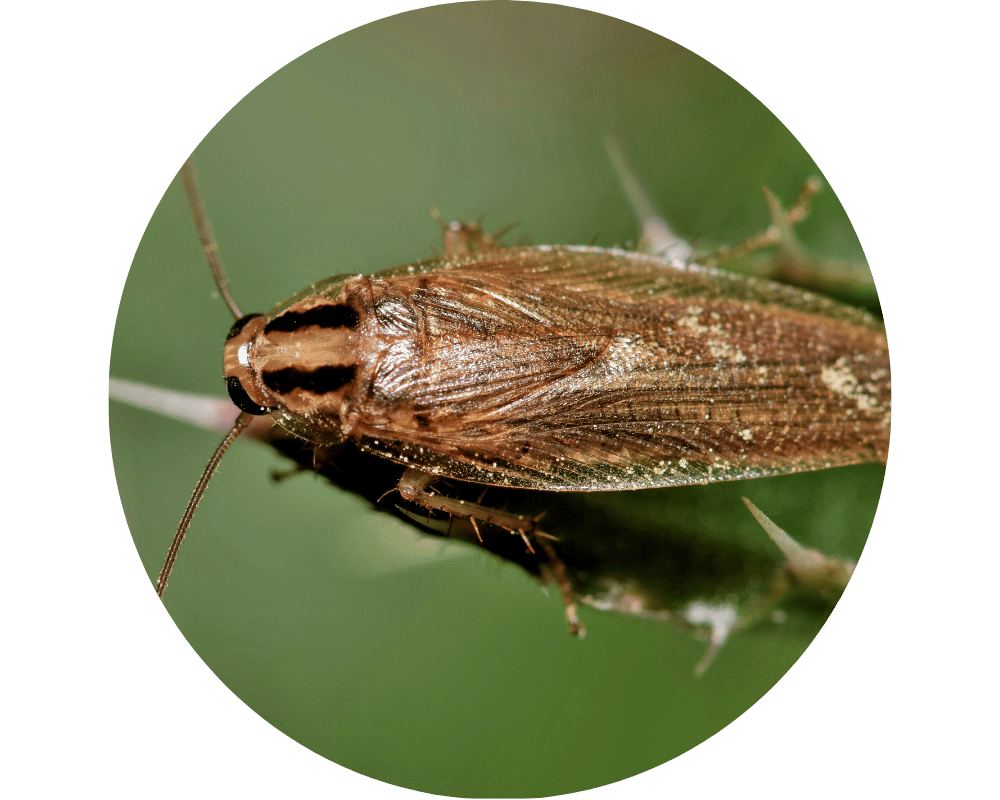
German Cockroach
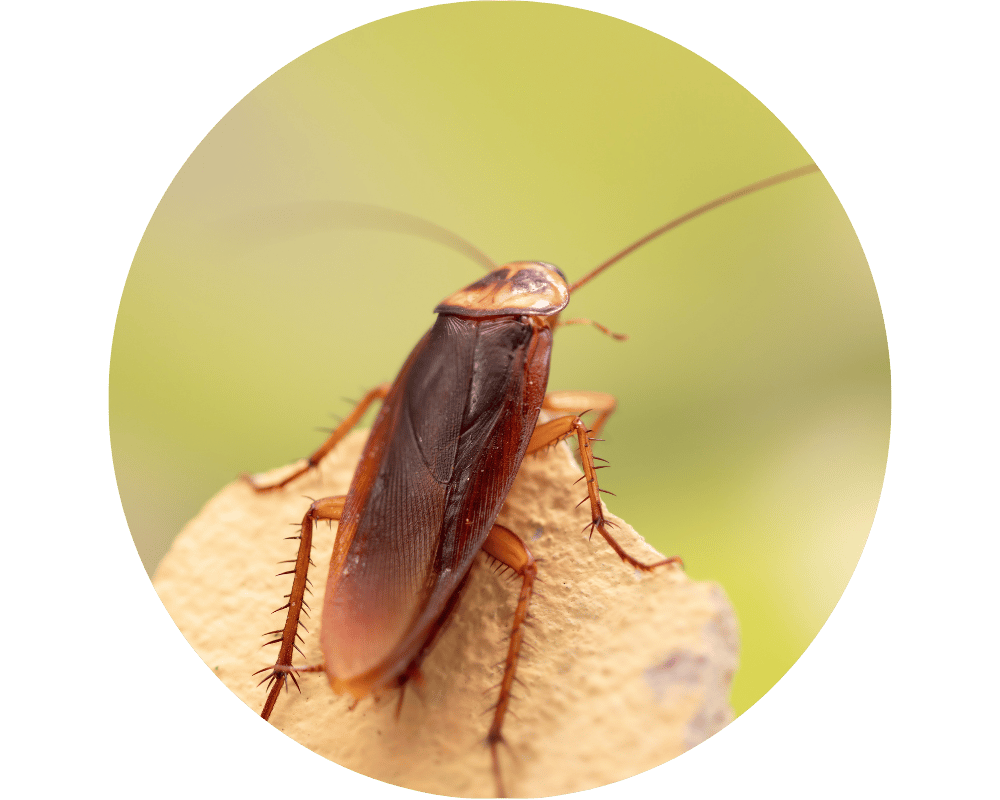
American Cockroach
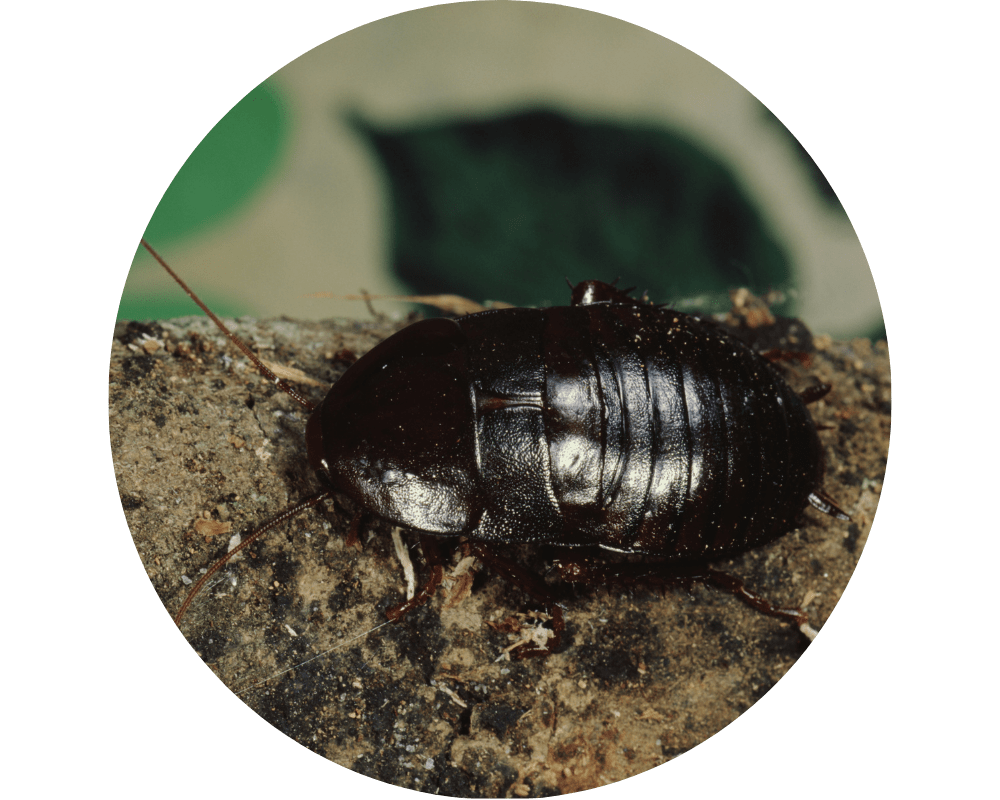
Oriental Cockroach
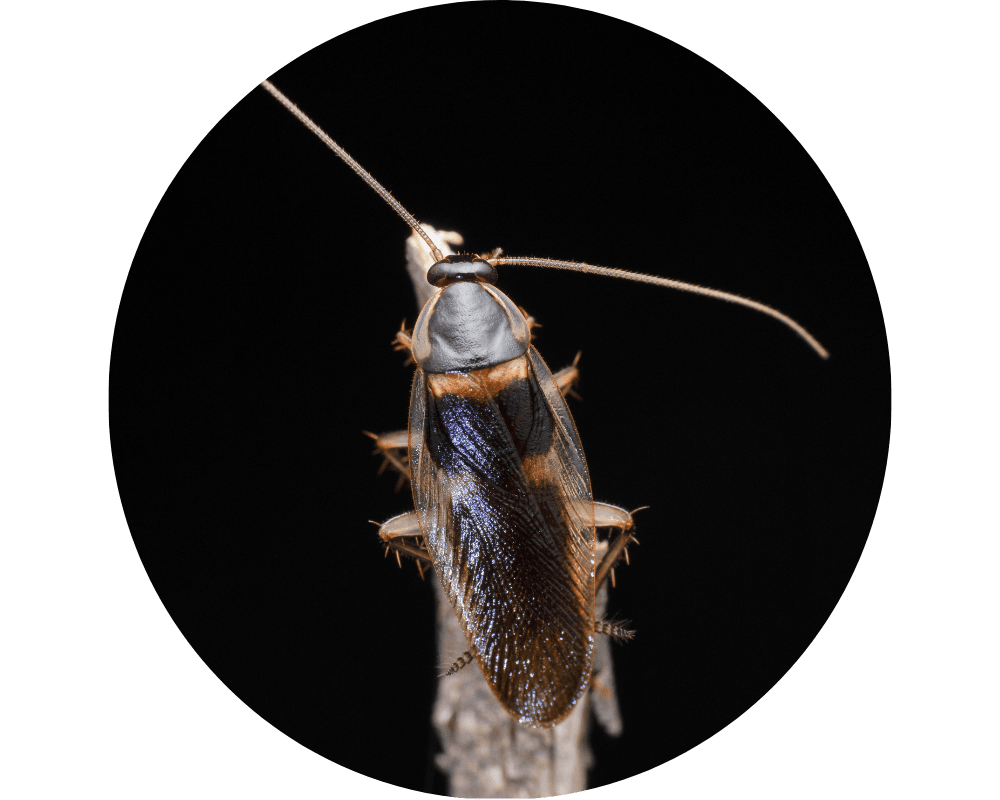
Brown-Banded Cockroach
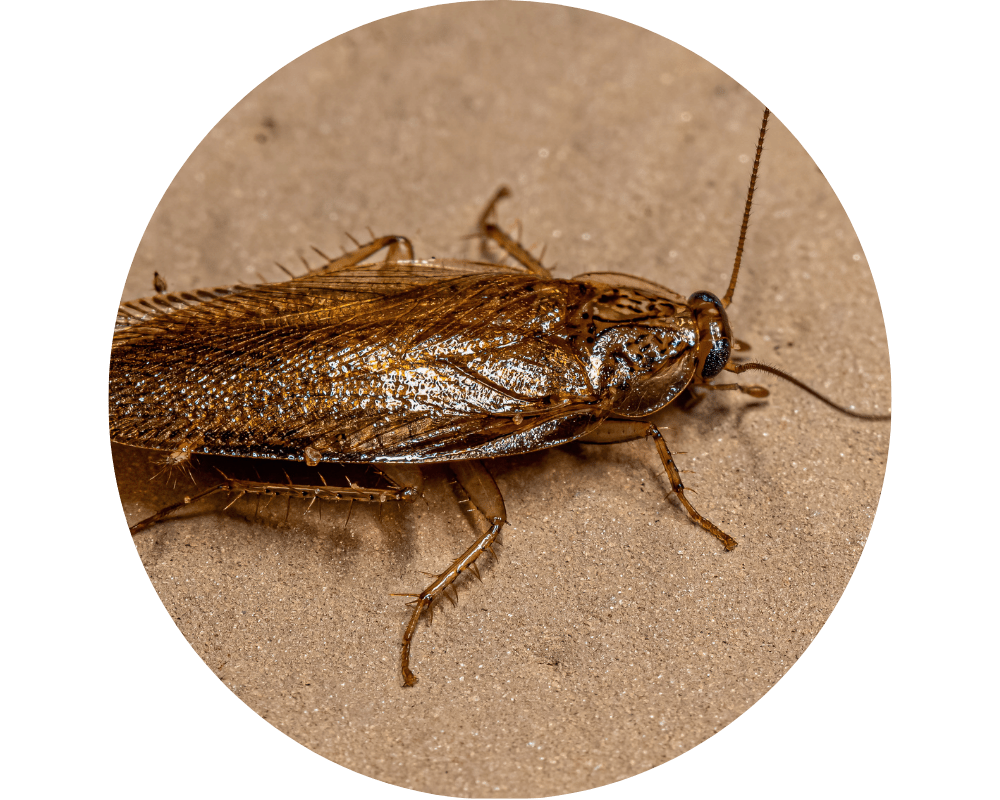
Pennsylvania Wood Cockroach
Less frequently spotted roaches include the Surinam cockroach (which lives in soil and may be brought into the home via potted plants), the Asian cockroach (similar to the German cockroach but tends to stay outdoors), and the Spotted Mediterranean cockroach (a tiny species that lives outside and only comes inside unintentionally).
Keeping Roach Eggs Out of the Home
Cockroaches and their tiny roach eggs are common pests in the Garden State and throughout the nation. They’re especially problematic in urban areas and apartment complexes where they can easily jump from unit to unit. But what exactly attracts these pests? Most things, unfortunately!
Despite popular belief, cockroaches aren’t just attracted to messy or dirty places; they can be, but clean homes can also hold infestations. This is because it’s not the mess that matters; it’s the things these roaches need to survive. They’re drawn to any place where they can find warmth, shelter, food, and water, with a strong affinity for dark places that keep them covered. Eliminating these perks helps eliminate the pests.
There are several steps you can take to cut down on attractants, including storing food properly (in garages, pantries, basements, etc.), promptly cleaning up messes and spills, making sure outdoor food (such as birdseed and squirrel food) is up high and out of reach, fixing leaky pipes and moisture issues, and sealing gaps and cracks, especially near pipes, drains, doors, and windows.
While any roach can hitchhike into your home via packages, furniture, grocery bags, and other deliveries, German cockroaches are quite adept at this. Checking packages beforehand helps reduce the risk of bringing bugs in unwittingly. If you live in a roach-heavy area, consider opening packages outside first.
Don’t Let Roaches Run Rampant
Cockroach infestations are among the most common pest control issues, and we’re experts in making sure these roaches and their eggs don’t ruin your day by invading your home. We offer same-day services, family- and pet-safe treatments, and innovative solutions to treat these insects quickly and effectively (as well as dozens of other pests). Contact us today to learn more about our methods, fast and friendly service, prevention, and double-money-back guarantee.