Jump To Section

Learn From The Pro's
Pest control is something no one wants but sometimes needs. With New Jersey’s dense population, lush vegetation, and climate, pests thrive outdoors, finding their way indoors occasionally. While home and business owners might be able to treat a handful of pests on their own, infestations require professional assistance.
Reliable Pest Control in New Jersey
Pests live up to their name, threatening the structure of your property, spreading disease, contaminating surfaces, and giving dinner guests the heebie-jeebies. Some pests can be dealt with by home and business owners, such as a lone wolf spider in the garage, a few crickets in the basement, or ants surrounding a soda spill on the patio. But infestations, both small and large, require a reliable pest control company like us, and the sooner . . . the better.
Our professional pest control helps limit property damage (done by termites, carpenter ants, and carpenter bees), disease (spread by mosquitoes, ticks, and rodents), and colony growth (many pests are efficient reproducers). It also restores your property, taking it away from pests and giving it back to you.
Seasonal Pests in the Garden State
To everything . . . turn, turn, turn. There’s a time for spiders, a time for wasps, and a time for reliable pest control. In the Garden State, different pests are most prominent during different seasons.
In spring, the most common pests include termites, carpenter ants, pavement ants, odorous house ants, carpenter bees, and clover mites (waking up from their long winter’s nap). Of these, termites, carpenter ants, and carpenter bees are the most destructive to your property: termites eat through subfloors, doorframes, posts, and furniture, while carpenter ants and carpenter bees excavate wood anywhere they can find it, often in playgrounds, patios, and fences.
In summer, mosquitoes, ticks, yellowjackets, bald-faced hornets, paper wasps, spotted lanternflies, Japanese beetles, fleas, houseflies, fruit flies, and cockroaches are common. Amongst these: mosquitoes, ticks, and fleas are the most dangerous to human health because they can spread disease (although wasps can be dangerous to those with allergies). Japanese beetles are harmful to gardens, while cockroaches are among the infestations most likely to claim your kitchen as their own; roaches are efficient reproducers with excellent survival skills.
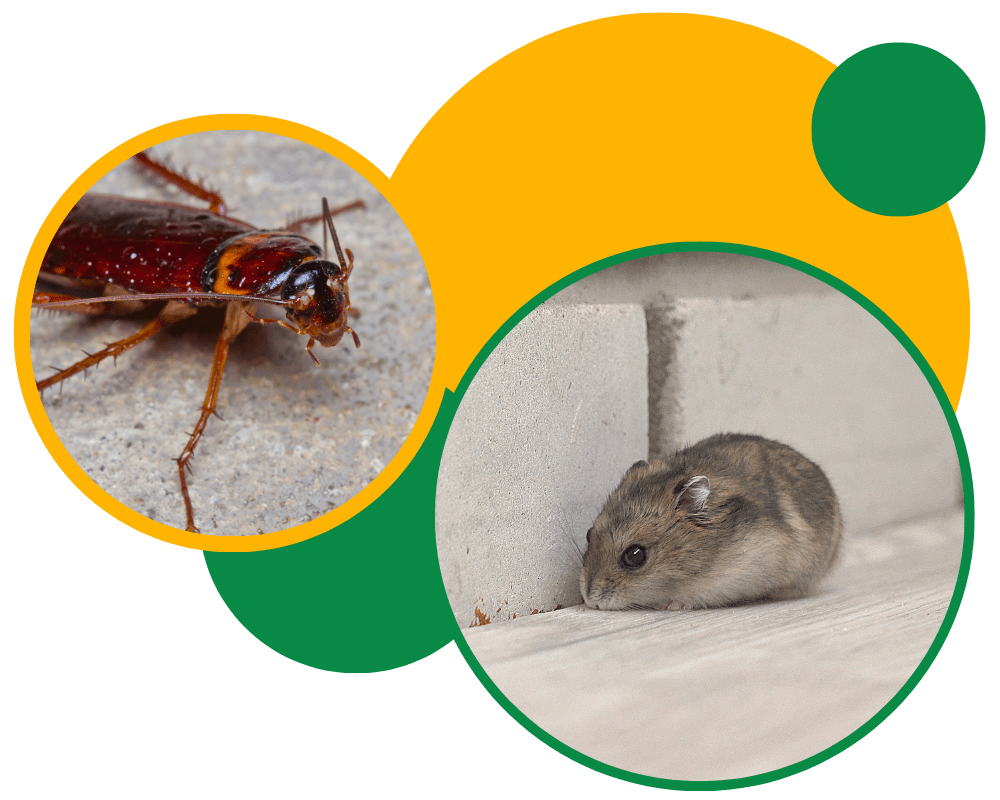
In autumn, the most common pests include stink bugs, Asian lady beetles, boxelder bugs, cluster flies, house mice, Norway rats, Western conifer seed bugs, and yellowjackets (back again!). Stink bugs, Asian lady beetles, boxelder bugs, clover mites, and seed bugs are pests that overwinter in homes; they infest purely for shelter, enter a dormant-like state (diapause), and live in wall voids until springtime returns.
The most common winter pests include many of the autumn culprits as well as German cockroaches, bedbugs, silverfish, carpet beetles, pantry moths, and pharaoh ants. Many of these pests, including mice, rats, roaches, and moths, are year-round trespassers, but they try harder to get indoors and find shelter from the storms when temperatures drop. Truly reliable pest control understands which pests to treat . . . when.
Why DIY Measures Miss the Mark
Dealing with pest issues through DIY or homeopathic measures is attractive to many homeowners, as they believe it’ll save them money. However, these methods can be pricier in the long run. That’s because do-it-yourself solutions and homemade remedies tend to bypass the heart of the infestation, missing the mark in the process.
Consider ants, for example. You might see them marching across your bathroom floor or meeting up at the sugar bowl for a snack. Most of the time, the visible ants out and about are expendable to the colony; they’re the worker ants with no reproductive capabilities. The queen is the ant keeping the colony alive, and is rarely—if ever—seen; she stays hidden, protected, and guarded for the greater ant good. DIY measures might effectively treat the worker ants, but without treating the queen, the colony will continue to prosper.
Mice don’t have a queen, but they can sustain their population through efficient reproduction. Female mice are pregnant for only about three weeks and can become pregnant again just 24 hours after giving birth. This allows them to have dozens of offspring a year (and those offspring then have offspring, creating generations of mice in a shake of their tails).
Roaches are also efficient reproducers and elusive creatures, able to survive in adverse conditions. Although they wouldn’t survive a nuclear war (despite the myth), they can survive nearly anything else. They hide in cracks and crevices and are often found under kitchen appliances, in cabinets, and in drawers. They’re not exactly picky foodies; they’ll eat everything from crumbs to glue to hair.
Signs You Need Professional Help
Our reliable pest control is the best option in certain situations. If you’re dealing with an infestation, Kapture’s prompt professional help can reduce structural damage, decrease disease risk, restore your home, and give you peace of mind! So, how do you know when treatment is necessary?

Some signs of pest infestation are obvious while others are more subtle. The clear indications include seeing pests (such as mice meeting up in your garage, wasp nests in your shed, or beetles in your carpet). Seeing one every once in a while might be a nonissue, but seeing them several times a week, spotting groups, or seeing reproductive insects (such as flying ants) might indicate pest problems.
More subtle signs include the following:
- Droppings, especially in cabinets, boxes, or along walls where mice tend to travel
- Dead pest bodies or parts (such as shed exoskeletons or wings)
- Grease marks along baseboards
- Nesting materials strewn about (papers, fabrics, cardboard boxes)
- Strange noises (scratching inside walls or scurrying sounds) or smells
- Bites on your body (which can indicate bedbugs, midges, or fleas)
- Mud tubes, damaged wood, or hollow-sounding walls
- Egg cases, webbing, or larvae in your pantry
- Itching cats and dogs (which might indicate fleas)
Premiere Pest Control Near You
At Kapture, we deliver reliable pest control, treating dozens of New Jersey’s most common nuisances. We offer same-day appointments, a double-money-back guarantee, customized plans, and preventative maintenance. Our solutions are safe, eco-friendly, fast-acting, and effective.