
Jump To Section

Learn From The Pro's
A variety of pests infest New Jersey pantries. Some of these, like moths, weevils, and beetles, are often brought in directly from the grocery store and food processing plants. Others invade the pantry after they’ve already infested other parts of the home. Either way, any type of food storage offers pests a prime place to feast.
Pantry Pests in New Jersey
A pantry may be where you store your dried goods and canned food, but for the pests, it’s the mothership. Because it’s the equivalent of living inside a grocery store, pantry pests flock to kitchen shelves when given the chance, infiltrating everything from boxes of rice to bags of macaroni. But which creepy creatures are most likely to show up in a box of Cheerios or a bag of flaxseed?
In New Jersey, certain pests are more common than others, including moths, beetles, and weevils.
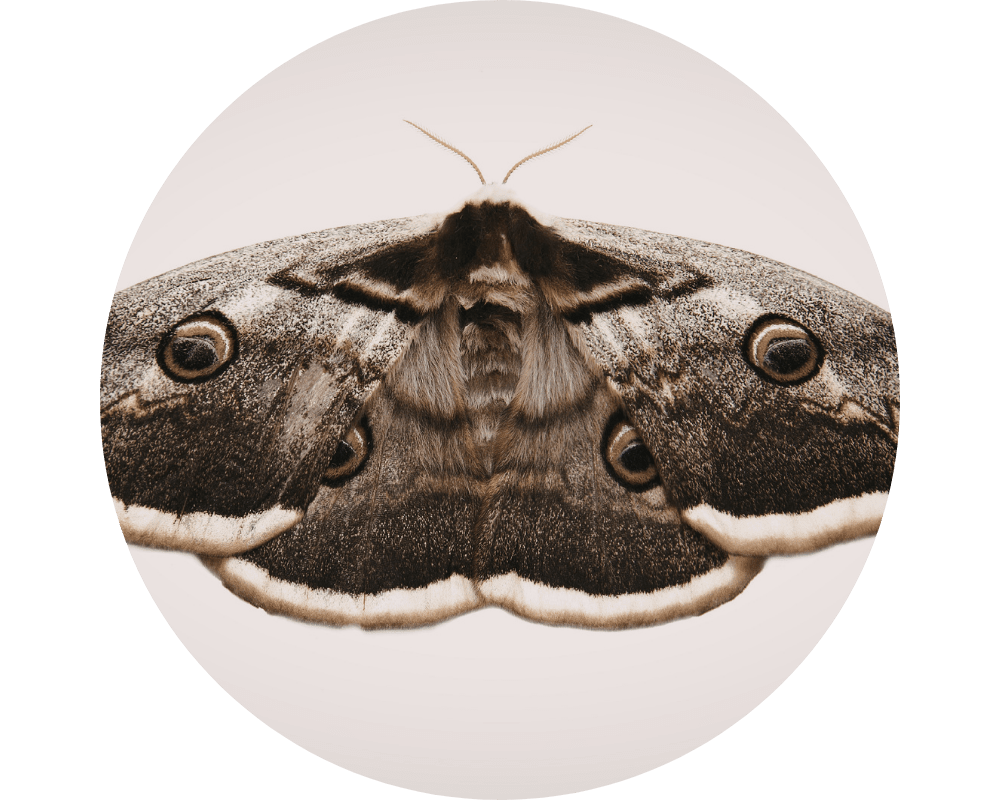
Pantry moths, as their name implies, habitually infest pantries. You typically bring them in from the grocery store without realizing it, grabbing a bag of already infested food and tossing it into your cart. Adult pantry moths don’t eat; their only job is to reproduce. Their larvae, on the other hand, feed on a variety of goods, including flour, rice, pet kibble, dried fruit, and cereal. The telltale sign of their presence is a silk webbing left on food packaging.
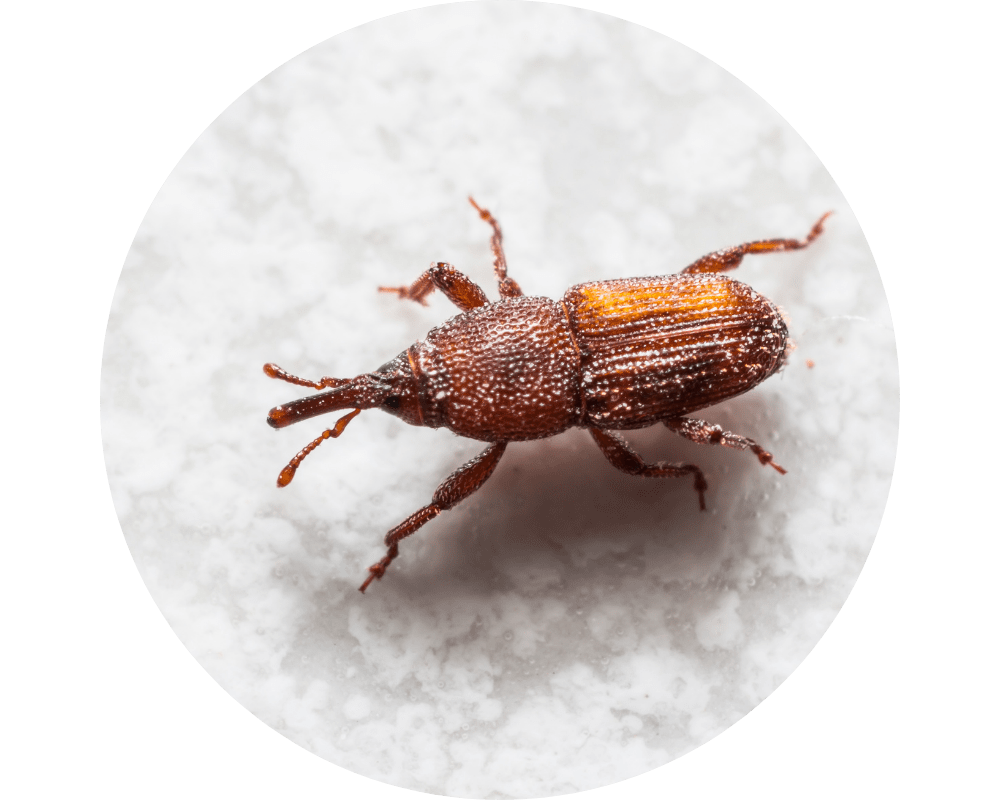
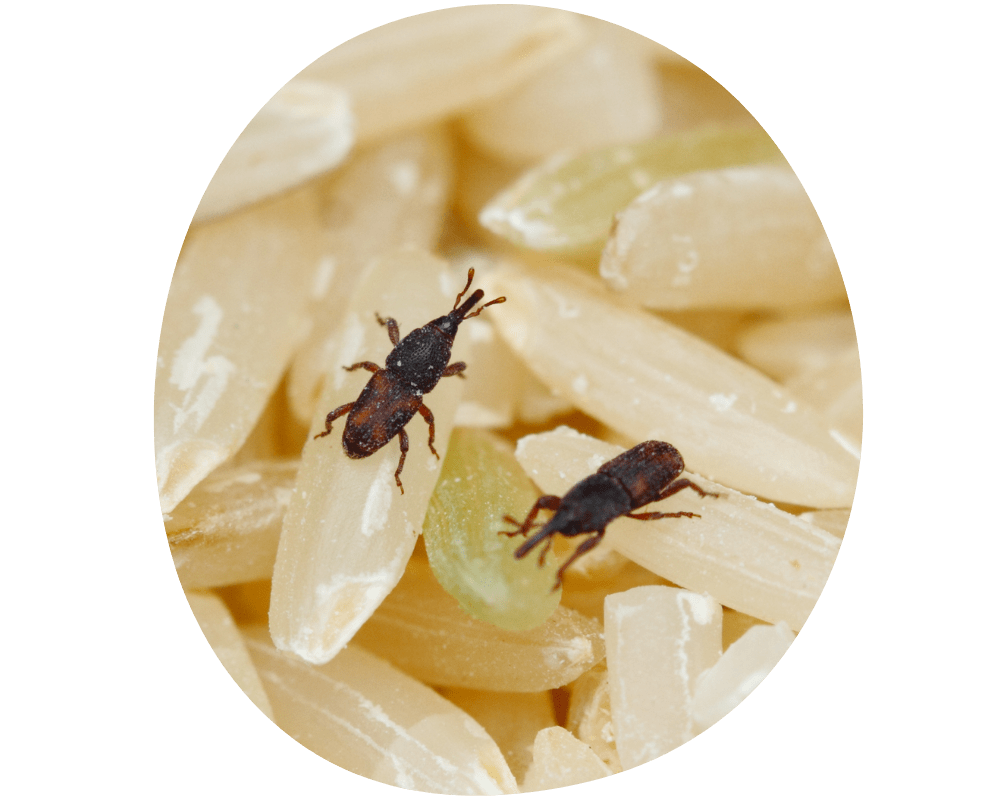
Weevils are a type of dark brown beetle with long snouts, making them look like miniscule anteaters. They’re also brought in from the grocery store, although they may originally infest products at food storage facilities. They favor rice, wheat, and corn. Female weevils lay their eggs in grain, and the larvae feed before evolving into adult weevils.
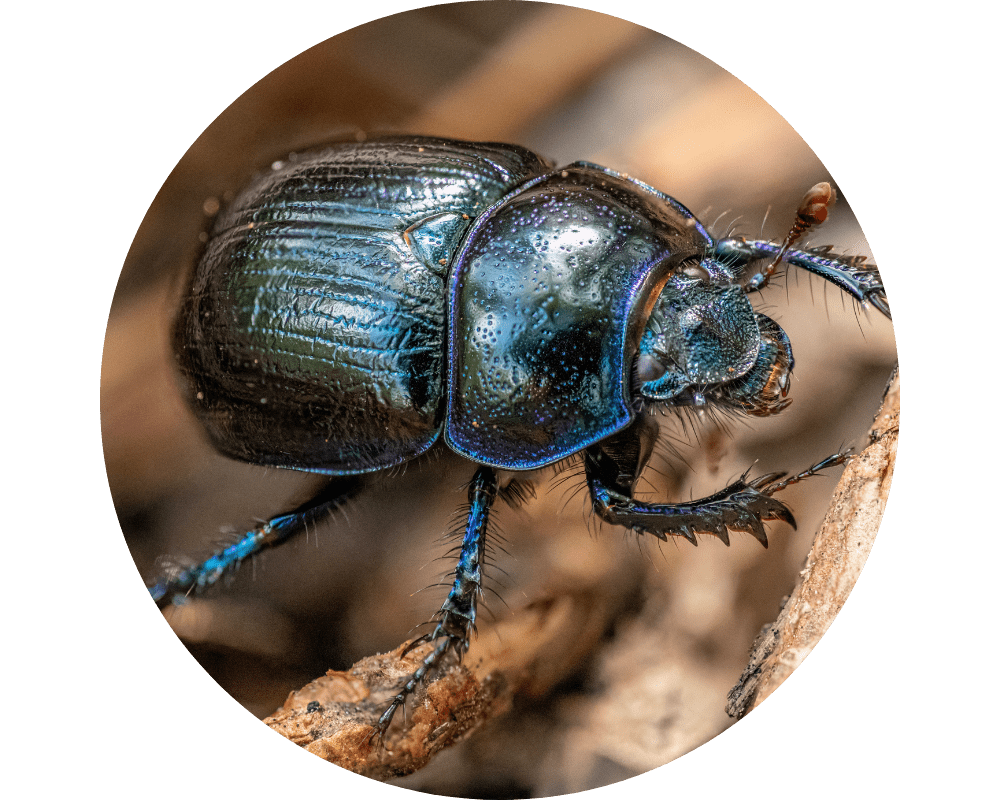
Other beetles are prominent pantry pests as well, including flour beetles (which infest flour, cereal, and understandably, cake mixes), sawtoothed grain beetles (which infest cereal, pasta, dried fruit, and nuts), and drugstore beetles (which infest spices, bread, dried herbs, flour, and pet food). Drugstore beetles may also infest nonfood items, such as books and papers.
Cockroaches, mice, and rats aren’t brought in with pantry items, but they may eventually find their way into your food storage. These pests are opportunistic feeders, so they’re attracted to any place they can find a nice meal. However, they don’t tend to live, nest, or raise their young in pantries the way moths, weevils, and beetles do; they treat them more like roadside diners.
How Pests Get Into Pantries
As mentioned above, many pantry pests enjoy a direct market-to-pantry pipeline, simply hitching a ride inside dried goods and brought into homes by shoppers (they can squeeze through small gaps and seams and chew through paper, plastic, and cardboard).
The signs that a bag of rice or box of pasta is infested with pests are very subtle and easy to miss; even if you actively inspect the food you buy, you can still miss an infestation. Eggs and larvae are typically hidden inside grains, seeds, flour, and other dried goods. The products most likely to be infested include pet food, birdseed, and items bought in bulk. Any food product that’s stored for long periods provides these pests with the opportunity to reproduce.
Pests that don’t come directly from the market (such as roaches, mice, and rats) get in other ways. They can wiggle through small gaps (even rats, the biggest of the three, only need a gap the size of a quarter, making the space underneath the door an adequate entryway). If these pests are already in your home, there’s a good chance they’ll mosey over to your pantry when given the chance.
Pantries that are messy, those with spilled food and crumbs, are more likely to attract roaches, mice, and rats than those that are orderly and tidy. Storing food in leaky containers or without lids attracts them as well; to limit pests’ presence, keep food in airtight glass, metal, or sturdy plastic containers. However, even if your pantry is spotless, bugs and other pests can still find their way inside.
Are Pests in the Pantry Dangerous?
Pests brought in from the grocery store are generally not dangerous; most are not known to transmit diseases like mosquitoes and ticks do. In the absence of allergies, accidentally eating a beetle or a pantry moth is unlikely to harm you (although you shouldn’t make a habit of it). But while not directly dangerous to most people, these pests still contaminate food and alter its taste, leading to food waste, lost money, and frustration.
Roaches, mice, and rats are more harmful because they can spread disease. Roaches don’t do this directly, but they contaminate food with their feces, garbage, and other contaminants. Rodents do this as well; mice and rats can also spread contagions through their bites. While they’re not as dangerous as they were during the Black Plague, the illnesses they transmit can still be harmful.
If you have a pantry infestation from any type of pest, it’s best to throw out the affected items and restock.
Signs of an Infestation
The signs of a pantry infestation largely depend on the type of pest. If pantry moths have infested, you might spot small moths flying around near the pantry, in the kitchen, or elsewhere in the home. If beetles or weevils have infested, you might see them crawling on counters, on tables, or inside cabinets.
Pest larvae often show up as webbing found inside food packages; you might also see worm-like creatures moving around inside grains or spot tiny holes in food packaging. Shed insect skins, dead insects, and clumps of food on shelves (such as tiny piles of flour) are other indications. Food might even start to look funny, smell funny, or adopt a strange texture.
The signs of roaches, mice, and rats are usually more obvious. In many cases, you can catch them in the act: opening up your pantry door to find mice near the rice or rats enjoying KitKats. You can often hear rodents whenever they’re inside any enclosed space; it might sound like they’re going through packaging, scratching, or scurrying. In other words, if it sounds like something is inside your pantry wrapping Christmas presents, there’s a good chance it’s a furry (albeit festive) creature. Other signs of a pest issue include droppings, grease marks, and nesting materials.

Keeping Pests Out of the Pantry . . . and Off Your Property
At Kapture, we keep pests out of your pantry (and off your property). Using fast-acting, family-safe, and innovative treatments, we design a custom plan to address your unique pest problem. We offer same-day services, a double-money-back guarantee, and preventive maintenance to keep pests away for good. Contact us for all the details.