
Jump To Section

Learn From The Pro's
Mosquito season in New Jersey takes place from early spring to late fall. Known for their virus-spreading ways, mosquitoes are more than a nuisance; they’re a threat to your health. Although mosquitoes don’t entirely disappear during cold-weather months, they become less active, offering a bit of a reprieve.
Mosquito Season in New Jersey
Mosquito season is often longer than people think; in New Jersey, it takes place from April through October. Although these suckers are most prominent from June through September, they’re active as soon as temperatures rise above 50°F. You might encounter them at dusk, while enjoying dinner on your deck, or when out for a jog.
Mosquitoes are the most annoying near bodies of stagnant water, but you don’t need to live near a pond or reservoir to be bothered. They’re not drawn to water because they enjoy the lake life; it’s vital to their survival, as females lay their eggs in shallow water. Even a puddle, a birdbath, or a clogged roof eave is enough to lure them (which is why they’re most active after heavy rains).
In summer, the mosquito lifecycle is fairly fast: mosquito eggs, submerged in water, hatch within 1-3 days; they’re in the larval stage for 4-10 days, and they turn into pupae for 1-3 days, staying submerged in water the entire time.
Finally, they become adults, flying out of the water and showing up in your backyard.
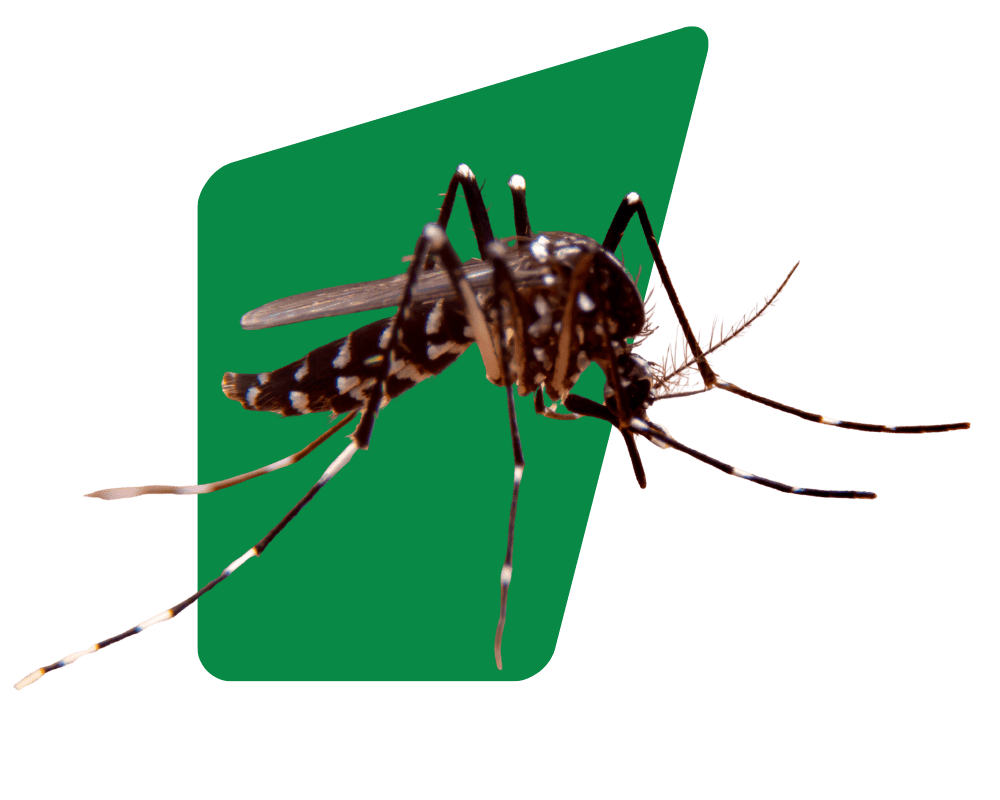
Mosquito season draws to a close once the first frost hits. In the higher-elevation areas of New Jersey, this tends to happen in early-to-mid October; on the Jersey Shore, it’s generally in early-to-mid November.
Colder temperatures don’t kill off all mosquitoes. Some adult females survive winter by hunkering in hollowed-out logs, sheds, dens, and burrows, anywhere they can find shelter from the elements. Larvae can also survive, thanks to slowed development. The rapid lifecycle present in summer dramatically stunts as temperatures plummet. Eggs can survive as well, as some mosquito species lay eggs that are naturally resistant to cold weather; the eggs remain dormant until the weather warms and becomes more humid.
Mosquitoes are roused by the arrival of spring, cueing these tiny vampires to become active again.
The Dangers of Mosquitoes
Mosquitoes are certainly annoying; they bite you as you try to enjoy time outside, they fly in your face while enjoying a cookout, and they surround you every time you’re anywhere near water. But they’re not just a nuisance; they’re a threat.
In fact, mosquitoes are regarded as the most dangerous animals on Earth because of the diseases they transmit. Globally, malaria is the biggest threat; in New Jersey, the most common contagion is West Nile, a virus that teeters between asymptomatic and life-threatening. While 80% of people infected have no symptoms, the other 20% develop fever, fatigue, body aches, vomiting, rash, and joint pain. In severe cases (usually less than 1% of people), encephalitis or meningitis might develop, causing confusion, seizures, tremors, paralysis, or coma; the risk is greatest in elderly adults and those with weakened immune systems.
Of course, West Nile isn’t the only threat New Jersey mosquitoes pose; they also spread eastern equine encephalitis, which is rare but can be serious. Other mosquito-spread diseases include Jamestown Canyon virus and La Crosse virus, as well as Dengue fever and Zika (although the latter illnesses are associated with travel, not living in the US).
Mosquitoes also transmit heartworm to dogs; these worms live in the blood vessels of the lungs and can, over time, cause severe disease marked by heart failure, breathing difficulties, and other life-threatening symptoms. Fortunately, heartworm is easy to prevent, even in mosquito-ridden areas; heartworm medications are generally part of routine veterinary care.
What Attracts Mosquitoes to Your Home?
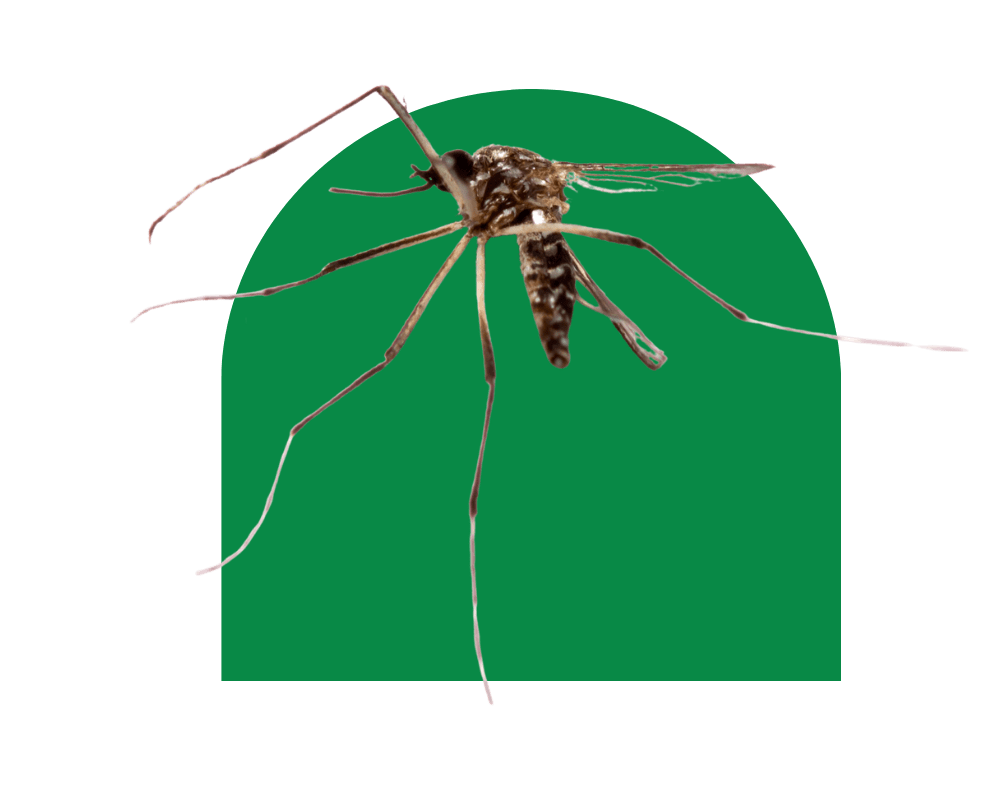
Mosquito season doesn’t automatically mean you’ll be inundated by these flying fiends. Some properties are more attractive to mosquitoes than others. The biggest attraction, as mentioned above, is water; if your yard has a pool (even a kiddie pool), overflowing flower pots, a birdbath, pet bowls, or clogged roof eaves, you’ll lure female mosquitoes (the only ones that bite) looking to lay their eggs. Outside of moisture, mosquitoes also flock to yards with overgrown vegetation. Shrubs, weeds, and grass create shady spots where these pests can rest, relax, and take cover.
When it comes to feeding time, mosquitoes are attracted to certain people over others; while there is some hypothesis that blood type plays a role, the evidence is stronger for things like skin odor and body heat. In general, mosquitoes favor those who exhale more carbon dioxide, are sweating, have recently exercised, are pregnant, or have more bacteria on their skin. Dark colors, like navy, black, and red, also attract them, as they provide contrast that creates larger targets and makes it easier for mosquitoes to land.
Making a Mosquito-Proof Property
It might be impossible to avoid mosquitoes entirely, especially during their time to shine, but there are a handful of things you can do to help pest-proof your property as much as possible.
By far, the biggest one is removing moisture from your yard; check your drainage, clean gutters, change water in birdbaths and pet bowls, and drain pools (or keep them covered) when not in use.
Trimming back vegetation, using mosquito repellent and candles, and setting up fans can also help; mosquitoes are weak fliers, and fans might make flying so difficult that they go elsewhere. Repairing window screens and keeping doors shut won’t keep mosquitoes out of your backyard, but intact barriers will reduce their presence in your house.
If you’re especially worried about mosquitoes, avoid going outside when they’re most active. This tends to occur at dawn and dusk, although some species (such as the Asian tiger mosquito) are known for daytime feeding, while others are nocturnal. Even so, most mosquito species are less active when it’s hot and arid; they dry out easily and use this time to rest and rejuvenate.

The Premiere Skeeter Defeaters
At Kapture, we’re well-versed in the latest mosquito-defeating technology. Using eco-friendly techniques, fast-acting solutions, and family-safe options, we quickly and effectively treat these flying frustrations and use preventative maintenance to keep them away. Contact us for same-day service and to learn more about our double-money-back guarantee.