
Jump To Section

Learn From The Pro's
Flies are common in New Jersey, including houseflies, horseflies, fruit flies, drain flies, and more. They frequent trash cans and compost bins, often entering homes by accident. Although they’re most problematic during the summer, they’re year-round nuisances.
How to Keep Flies Away From Your Home and Yard
Flies are common all over the US, including the East Coast. While they are most problematic during warm weather months, they can be found year-round, interrupting barbecues, flying into kitchens, and turning garbage cans into all-you-can-eat buffets. This makes knowing how to keep flies away an important lesson for the average homeowner.
Among the easiest ways to deter these pests is by keeping trash cans and compost bins closed, regularly emptied, and clean (this might sound impossible, but scouring them every once in a while makes a difference). Keeping your yard free of pet waste is also key, as flies can’t resist a tasty pu-pu (or poo!) platter. Food left outdoors, such as on grills, patio furniture, or in pet bowls, attracts them as well; common flies feed on a wide variety of organic materials, including meat, sugary drinks, and rotted fruit.
Standing water should also be addressed, as this provides flies with a drinking source. To do this: repair leaks, clear out gutters, empty containers, and shake off things like barbecue covers and patio furniture after heavy rains. To deter various fly species, keep drains clean, throw out old fruit, and remove decaying material from your property, including grass clippings.
Flies enter homes regularly but accidentally; once inside, they spend most of their time trying to find their way out. To keep them from gaining access, keep doors and windows shut, seal off entry points, and repair tattered screens. If one or two get in, you can usually trap them in a glass and take them back outside; you won’t catch them with your bare hand unless you’ve got very impressive reflexes.
If your property is especially attractive to flies, outdoor fans might help. Strong airflow makes it difficult for flies to move in the direction they want and even harder for them to land, encouraging them to bother someone else instead of you.
Common Flies in New Jersey
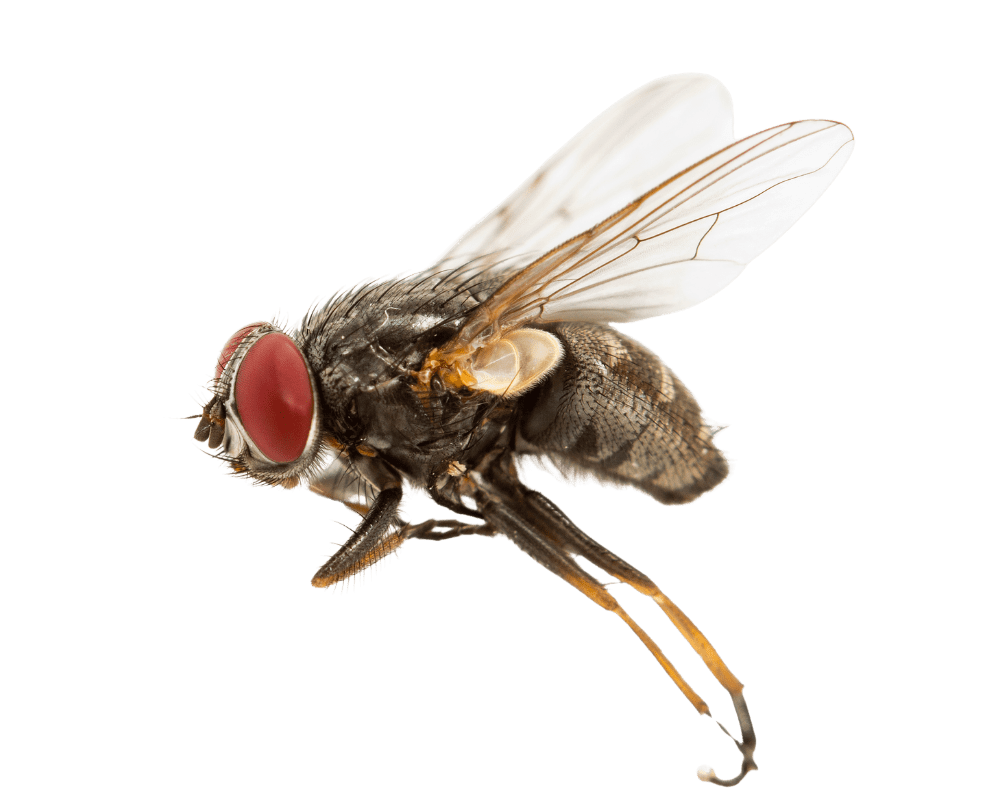
Part of knowing how to keep flies away involves knowing a few species specifics. Houseflies are among the most common flies in the Garden State; true to their name, they are found around the home. These non-biting insects frequent garbage cans, compost bins, and animal waste, and they may enter homes when your doors or windows are open, or your screens are tattered.
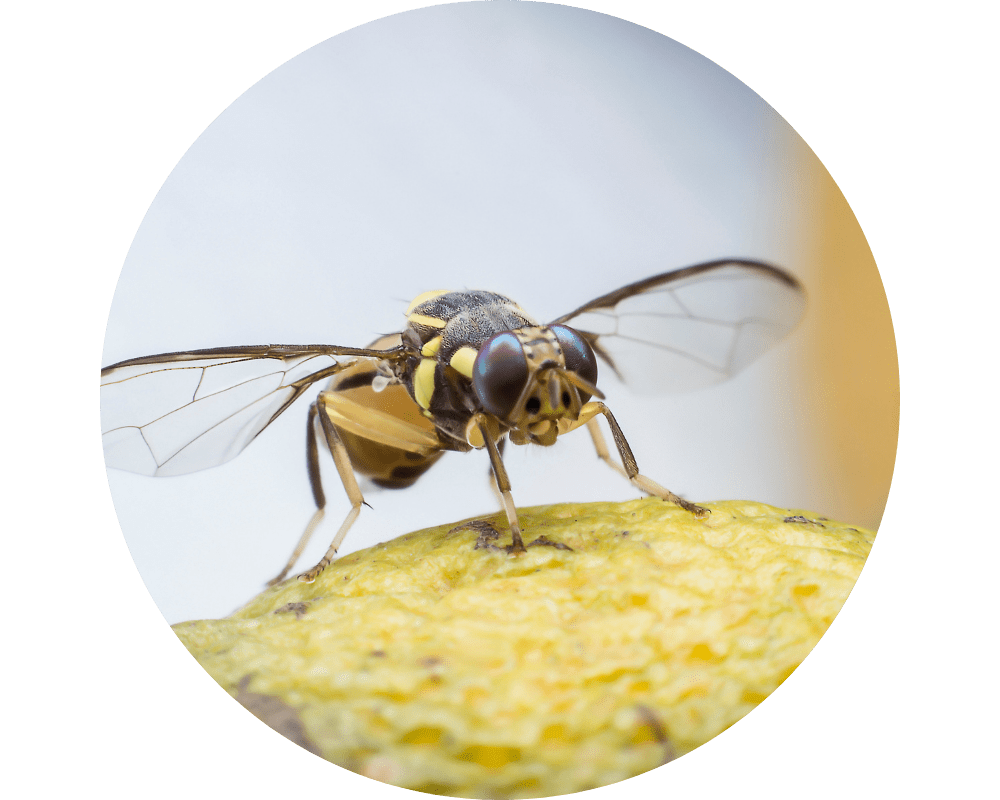
Fruit flies are fruit fiends; they’re drawn to overripe and rotting fruit, as well as organic trash, fermenting liquids, and sugars. If you leave a brown banana or a soft apple in your fruit bowl, these flies will often appear as if out of nowhere. They get into your home by hijacking your produce, enjoying a direct market-to-kitchen pipeline. Some may also fly in through open doors and windows.
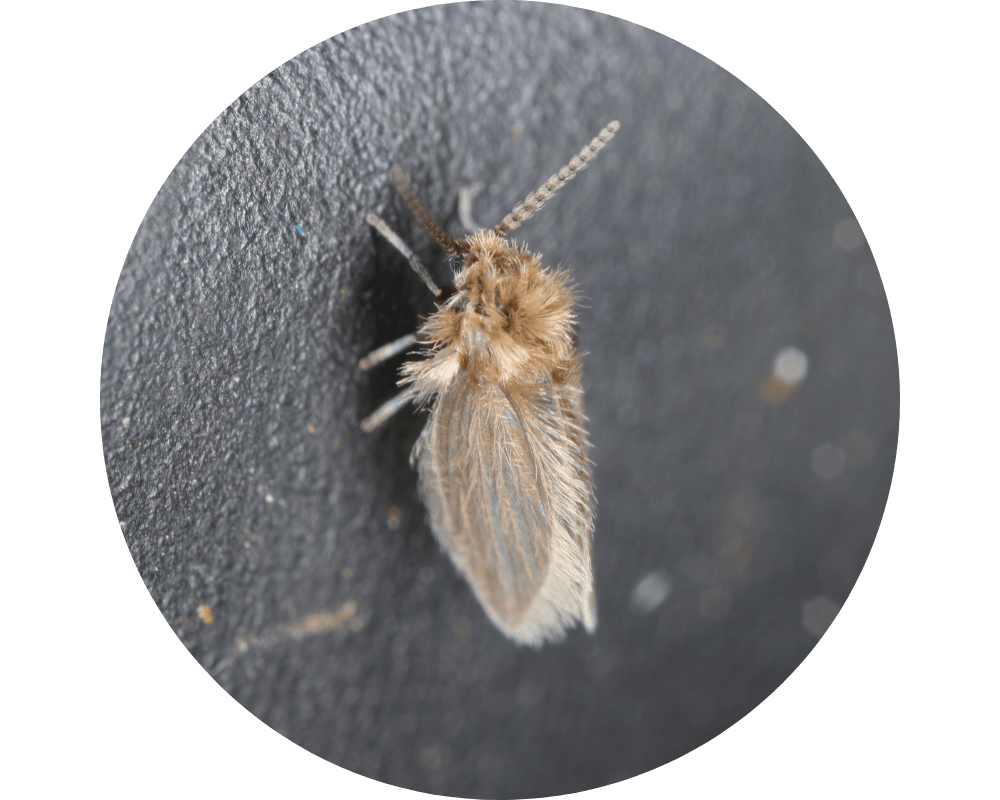
Drain flies hang out in drains. They’re small and fuzzy, resembling tiny moths. They use the innards of drains as their mating grounds, reproducing inside organic buildup. Black flies are small flies that bite. They favor areas with water and become outdoor annoyances when the weather allows.
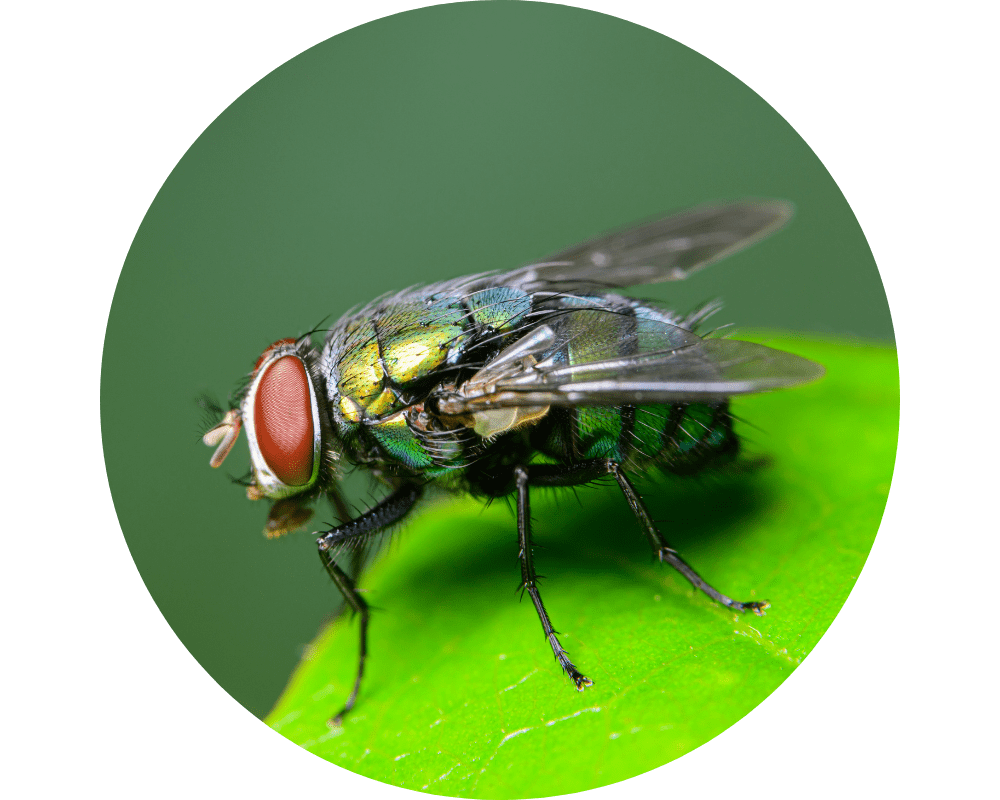
Blow flies deviate from traditional fly hues; they’re usually metallic blue, green, or bronze. They hang around animal waste, garbage, and roadkill. Cluster flies are large, sluggish flies; they gather near sunny windows and often enter homes and buildings to hunker down during winter.
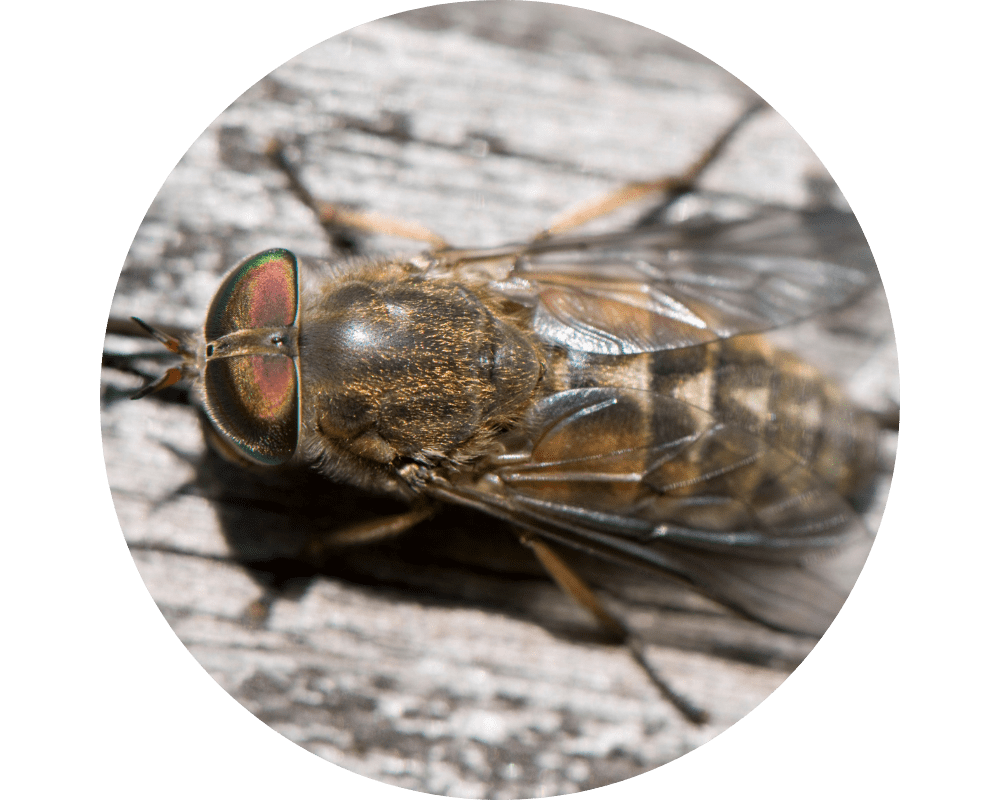
Horseflies typically stay outside; they’re large flies known for their painful bites. Like mosquitoes, only the females bite, doing so because they need the proteins and nutrients found in blood to develop their eggs. Deer flies are also blood-feeding pests, though they’re smaller than their horsefly cousins. Both of these flies bite humans but not exclusively; they also bite other large and warm-blooded mammals, especially livestock, deer, and pets.
Do Flies Spread Disease or Destroy Your Home?
The flies found in New Jersey don’t spread disease the way mosquitoes and ticks do. Some flies in other parts of the world do, however: the tsetse fly found in Africa transmits African sleeping sickness, a parasitic infection that can be deadly if left untreated.
In the Garden State, flies might not directly cause disease, but they can still contribute to illness and learning how to keep flies away is the best way to mitigate that. Because they spend their lives wing-deep in garbage, compost, and animal feces, they carry organisms associated with Salmonella, E. coli, and more, contaminating the food and surfaces they land on.
Flies are not destructive like termites, carpenter ants, or carpenter bees; they don’t eat or excavate wood and don’t compromise the structure of your home. Instead, they’re considered more of a nuisance pest, with the potential to dirty up your house with the germs they carry.
While it’s possible to have an infestation without an underlying problem, lots of flies usually point to plumbing issues or a build-up of trash or animal waste. Even doing something as seemingly harmless as leaving your garbage can uncovered provides an open invitation to all the local flies, welcoming them into your yard for a bite.
Interesting Fly Facts
Although aggravating, flies also have some fascinating aspects. Among the most ironic tidbits is that flies are actually obsessive groomers (despite their down-and-dirty reputation). They taste with their feet, so they’re always cleaning their legs to keep their senses sharp.
Flies also have exceptional vision, making them hard to swat and catch. They have large compound eyes composed of thousands of individual units. This gives them a wide field of vision and the ability to detect rapid movement and react accordingly.
Flies have only one pair of functional wings, which is rare in the insect world. They had a second pair, but it evolved into an organ used for balancing. Many flies can walk upside down thanks to the specialized structures on their feet, and most are fast and furious reproducers, able to produce hundreds of offspring during their lifetimes. Their larvae are commonly found in pet waste, food debris, or trash cans, appearing as maggots before transforming into adult flies.
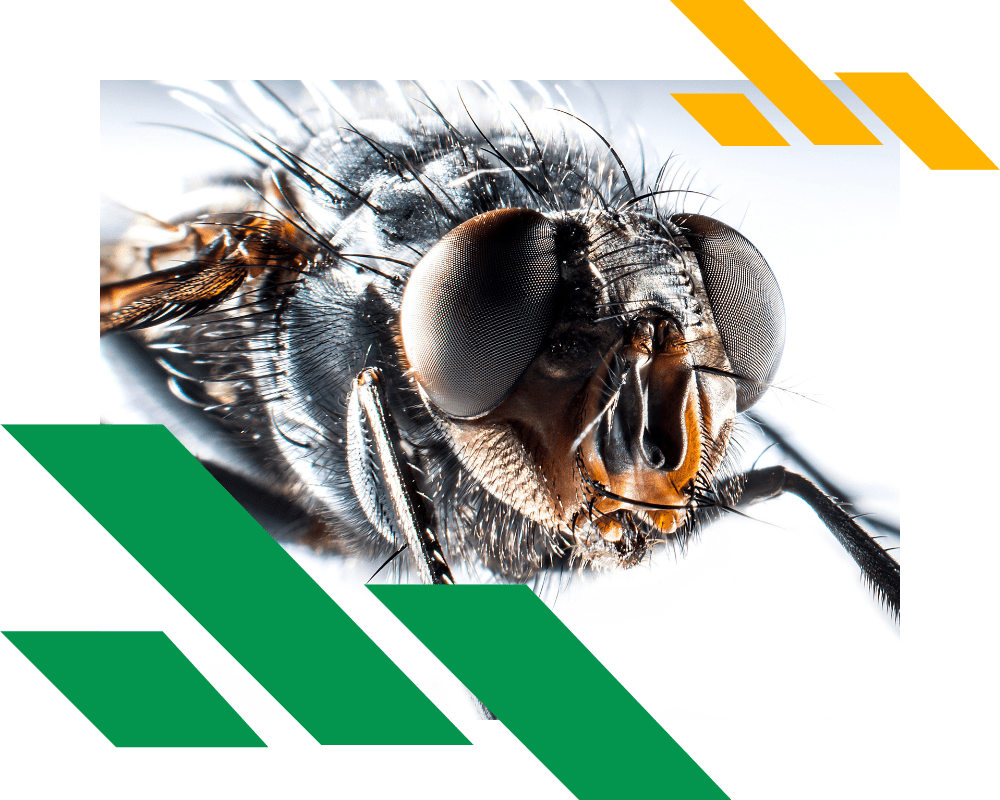
Even though you don’t want them as houseguests or yard visitors, flies aren’t always pests; they can serve a purpose, too. They’re important decomposers, helping break down dead plants, animals, and waste, and recycling nutrients back into the ecosystem. Some flies are also important pollinators.

Kapture’s No Fly Zone
At Kapture, we treat all kinds of flies, as well as other New Jersey nuisances. You might not be an expert in knowing how to keep flies away, but we are!
Whether you have houseflies in your kitchen or horseflies in your stable, we’ll work quickly and efficiently to treat your infestation and keep flies away for good. Contact us to learn more about our five-star reviews, years of experience, and double-money-back guarantee.