Jump To Section

Learn From The Pro's
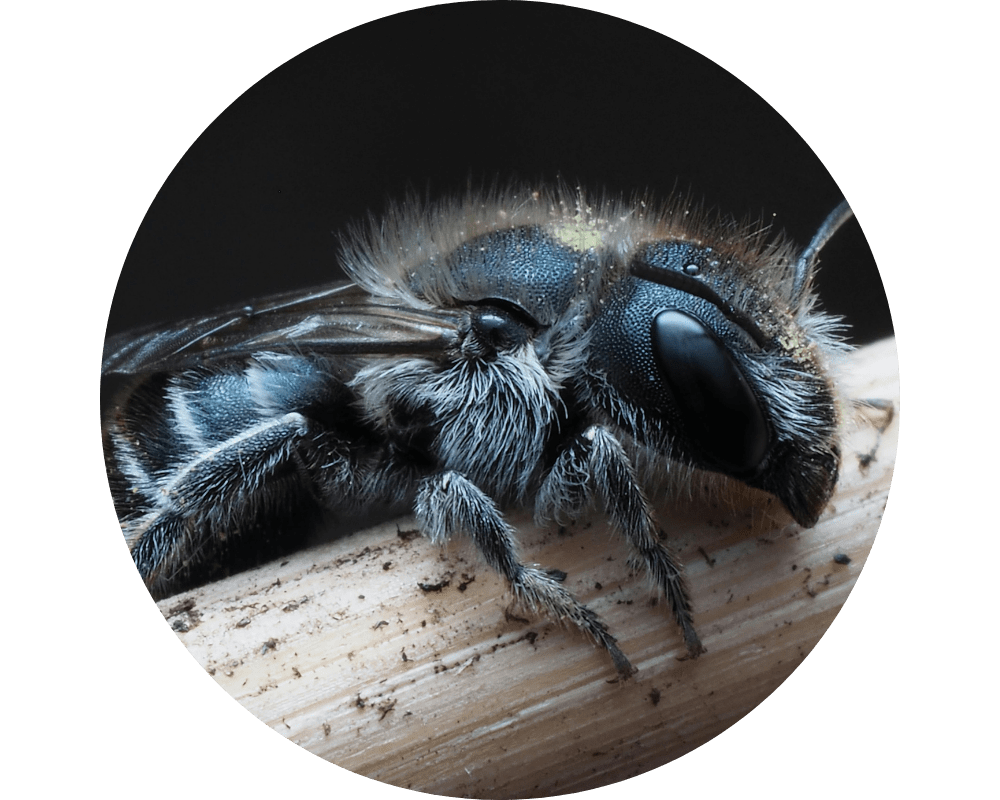
Bees pose a common challenge for homeowners, partly because not all bees are equal in Mother Nature’s eyes. Some bees, like the beloved honeybee, are important pollinators that help keep crops thriving. Other bees, such as carpenter bees, are less about vegetation and more about destruction; they threaten your home’s structural integrity by excavating wood to house their larvae.
How to Keep Bees Away From Your Home and Yard
Bees are cute, sometimes fuzzy, and vital to the environment; they’re also annoying, pesky, and destructive. Whether they’re friend or foe depends on what type of bee they are. Honeybees, for instance, are extraordinarily important to crop cultivation and the ecosystem. Carpenter bees, on the other hand, are the type of insects you truly want to buzz off. And that’s where knowing how to keep bees away comes in handy.
The best way to deter bees from your yard and house is to avoid the things that attract them. This is easier said than done as it turns out . . . bees aren’t really that hard to please. Among the things that draw them are vibrant colored clothes (such as a neon blue shirt), perfumes and cologne, flowers (naturally), sugary drinks, uncovered garbage cans, and spills.
The things they dislike include essential oils (think peppermint or tea tree, with the strongest-smelling aromas) and dark colors. Dark colors might not deter them, however, as they remind bees of their natural predators, eliciting a defensive response.
Bees dislike certain smoke as well (cool smoke calms bees and is typically used by beekeepers to reduce defensive behaviors). Although cucumber peels are often advertised as a home remedy bee deterrent, due to their bitter and acidic compounds, there isn’t much scientific evidence to support their effectiveness, so don’t count on them when figuring out how to keep bees away from your deck, yard, or patio.
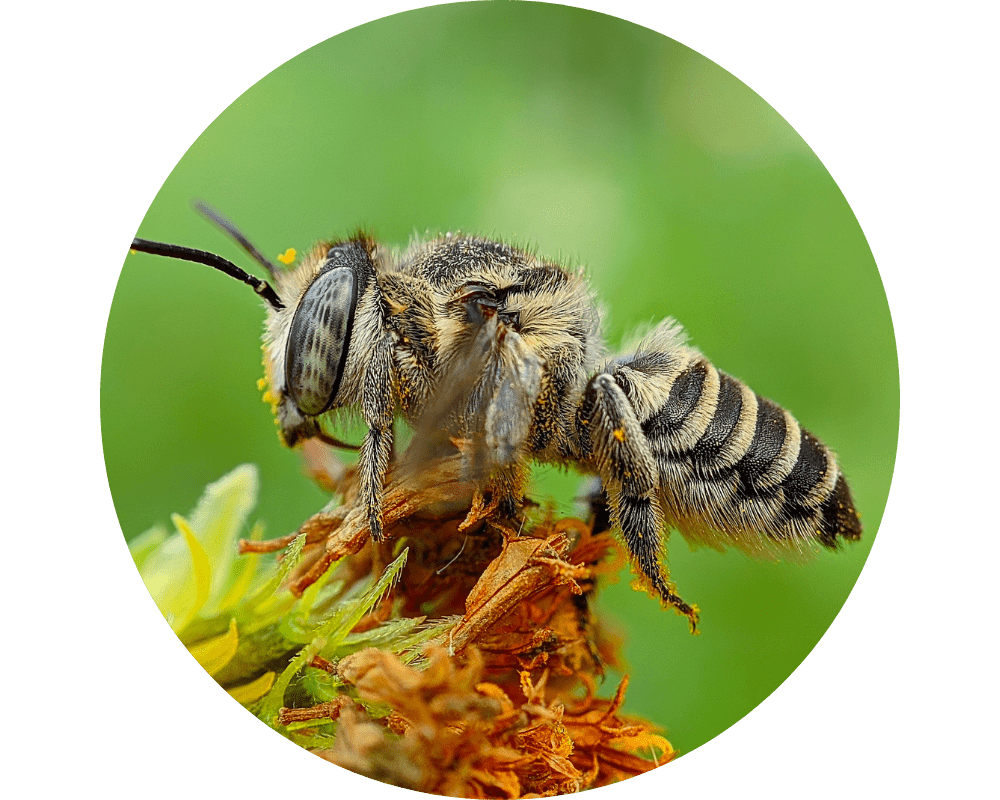
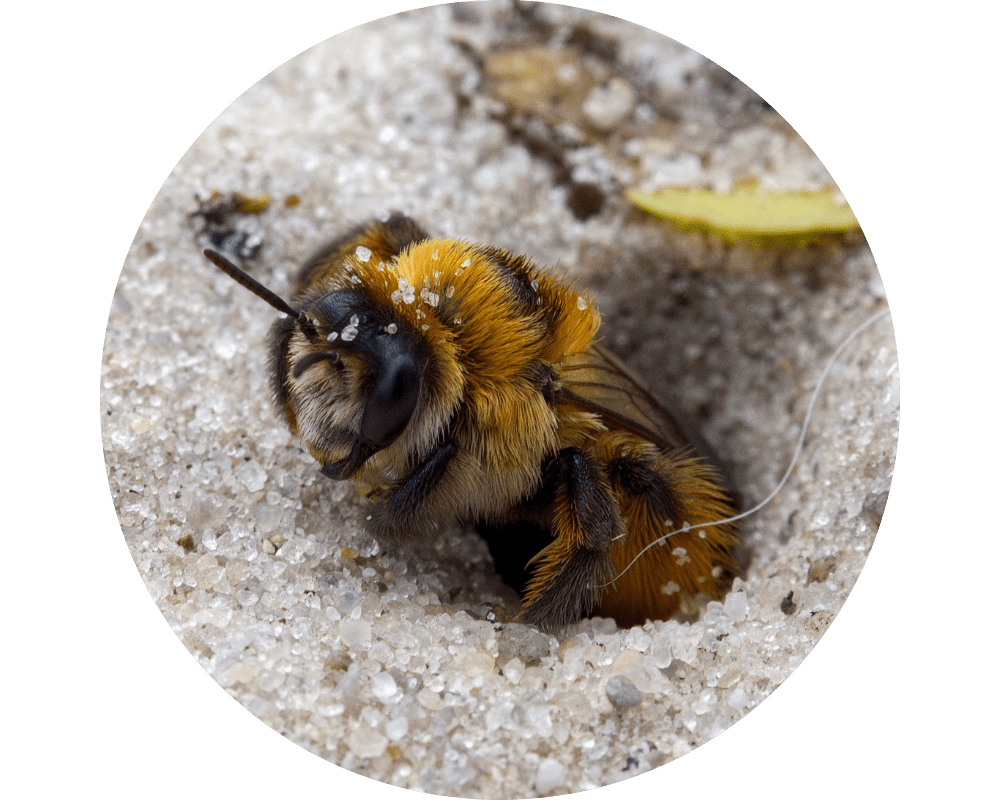
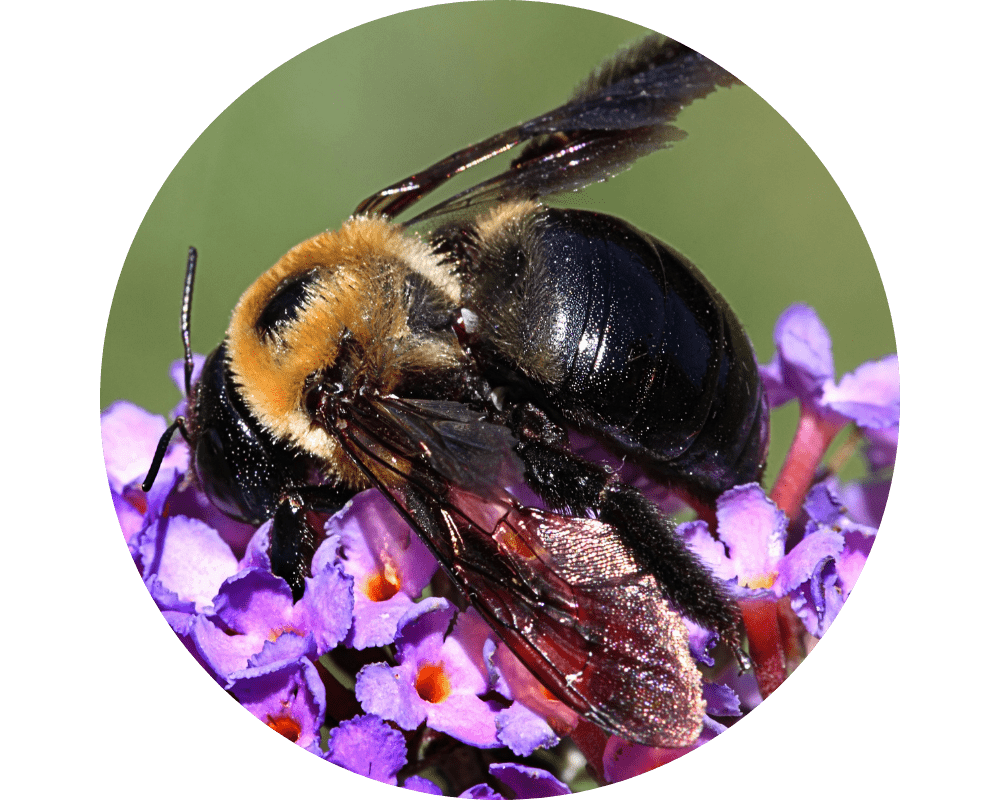
Are Bees Dangerous?
As mentioned above, carpenter bees can be dangerous to your home (and your wallet if they lead to costly repair bills). But most bees aren’t all that dangerous, although their stings can be painful.
Bees will usually only sting if feeling threatened; if you walk too close to their colony, swat at them, startle them, or trap them against your skin, they’re likely to react. Some bees, like honeybees, can only sting once; they lose their stingers and die after.
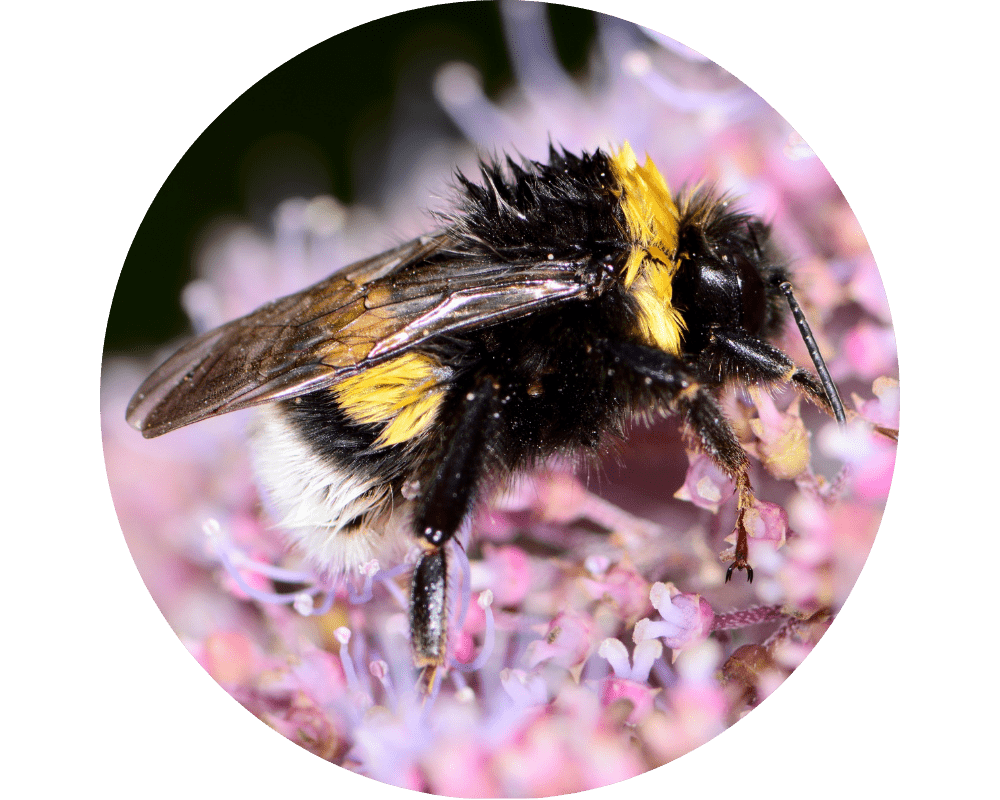
Bumblebees can sting more than once, and many keep their stingers. They rarely do, however; they’re much less likely to go on a stinging spree than an angry wasp. Multiple stings can be medically significant, especially if bees attack in droves.
Bees are most dangerous to those who are allergic, as their venom can cause life-threatening anaphylaxis. Those with bee allergies are usually prescribed an EpiPen to carry with them, but many people who are allergic aren’t aware of it until they’re first stung.
Interesting Bee Facts
Are you on the search for how to keep bees away?
Just remember: bees are more intelligent than humans give them credit for (even though they have brains the size of a sesame seed!); honeybees can recognize human faces by distinguishing between visual patterns. These vital pollinators also vote collectively when moving to a new nest site, but they don’t use ballots; they use a waggle dance!
Bees can also sense the weak electrical charges flowers give off. This helps them determine whether another bee has recently visited that flower or if it’s fresh for the taking. Some bees, like the Japanese honeybee, can even cook their predators by surrounding hornets and generating heat with their flight muscles!
Being busy as a bee is exhausting, so bees do sleep. Like tired humans, tired bees aren’t as sharp; they become less effective communicators and navigators.