Jump To Section

Learn From The Pro's
Many insects are easy to identify, but some look similar to other species. Beetles, crickets, and earwigs can all resemble roaches in various stages of development, making it difficult to know what kind of infestation you’re dealing with. Fortunately, keeping out cockroaches and their imposters requires the same kind of proactivity.
Bugs that Look Like Roaches . . . But Aren’t
Many types of pest infestations are common in New Jersey. Although it’s easy to recognize a bunch of creepy crawlers, there are several bugs that look like roaches, which can make identification tricky.
One roach imposter species is the beetle. Ground beetles are dark and shiny and might be mistaken for cockroaches when seen from the corner of your eye. June bugs, which are big and oval-shaped, might be mistaken for American cockroaches, one of the larger roach species. Longhorn beetles have prominent antennae, sometimes leading to them being mistaken for roaches. Other beetles with roach-like qualities include darkling beetles, water scavenger beetles, wood-boring beetles, and oriental beetles.
Crickets can sometimes resemble roaches as well, especially in dark lighting. Earwigs may look like small or baby roaches, while bed bugs, due to their tiny size, might be mistaken for cockroach nymphs.
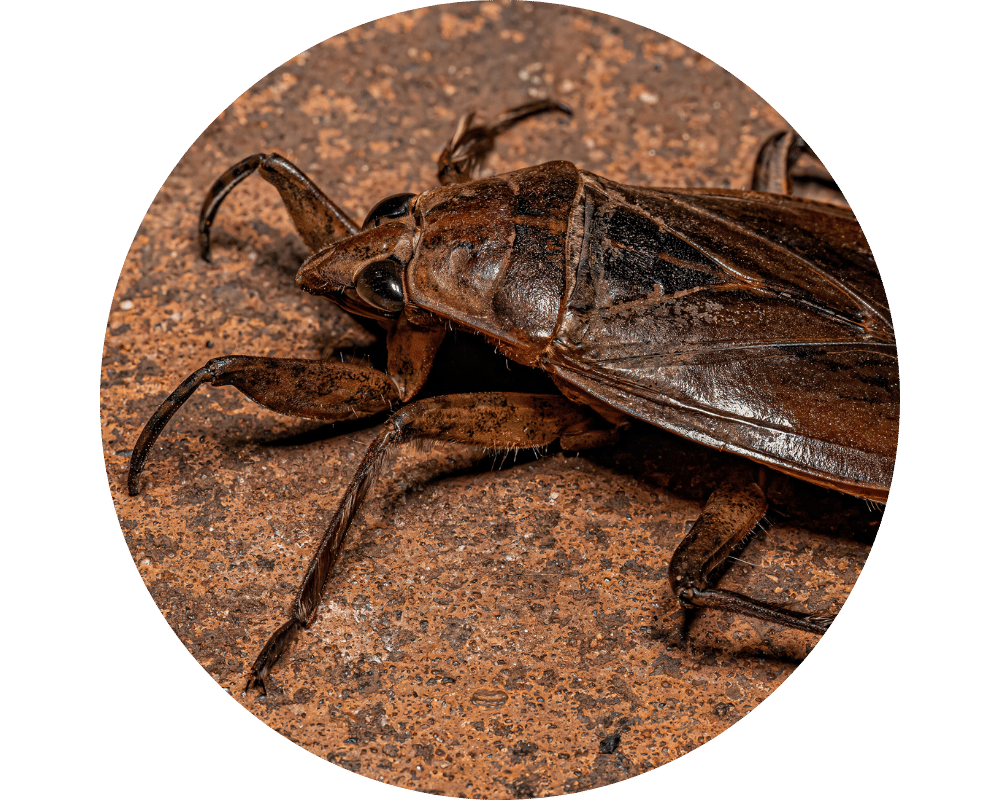
Perhaps the bugs that look like roaches the most are water bugs. These are large, flat bugs that live in ponds and reservoirs. Known as toe-biters, they have a fierce, painful bite (swimmers beware!). Because they enjoy the lake life, water bugs don’t typically enter homes, but it’s not impossible for one to fly off its beaten path, take a wrong turn, and end up in your bathroom. Even so, most people who think they have a water bug indoors usually have a cockroach instead.
Do All Bugs Infest Intentionally?
Some bugs infest your home intentionally, but others wander in by accident. Cockroaches belong in the former category; they enter living rooms, kitchens, basements, and laundry rooms seeking shelter, warmth, and food. These insects flourish indoors, hiding in cracks and crevices, and reproducing like it’s their job to repopulate the planet. Ants, termites, silverfish, and clover mites also enter on purpose. Some species, such as clover mites, can’t reproduce indoors and instead overwinter in wall voids to stay warm.
With the exception of carpet beetles, most beetles (especially those that resemble roaches) don’t infest with intention; they prefer to live in soil, plant materials, woodlands, and outdoor shelters. Most of these bugs enter occasionally, coming in through open windows or doors. They’re highly attracted to lights and may fly toward them, get disoriented, and end up in your living room. Water bugs, grasshoppers, fireflies, dragonflies, crickets, cicadas, and praying mantises typically enter unintentionally as well.
What Attracts Bugs to the Home?
Bugs that look like roaches (and those that don’t) are attracted to houses for their amenities.
Homes offer food sources, with everything from crumbs, spills, glue, cardboard, wood, and fabrics being fed on by various insects. Many also feed on birdseed, squirrel fodder, pet kibble, garbage, and compost. Some insects, like certain beetles and pantry moths, might even be brought in with food, as they often hide inside grocery store items.
Water is another attractant. While many insects get all their water needs from the food they eat, some want another go at H2O. Even a small amount of water can lure them, as their tiny insect bodies require only a few drops at a time. That means something as minor as a dripping faucet or an overwatered houseplant offers pest perks.
Many creepy crawlies also like humidity; they thrive in damp bathrooms, dank basements, moist laundry rooms, and heavy-aired crawlspaces. Some prefer cool rooms, entering the home to escape the searing sun. Clutter is another added bonus; insects like boxes, storage, papers, and general messes because they provide somewhere to hide, take cover, and go about their lives without much disruption.
Of course, pests beget pests: many insects enter homes looking for prey. Ants, wasps, earwigs, and ground beetles are just a handful of bugs that eat other bugs. Crickets even eat other crickets, which means dead crickets inside your basement can lure live ones inside.
But just because insects want to get inside your home, that doesn’t mean they can automatically enter. They have to find a route first. Gaps, cracks, and holes allow them to easily wiggle through, while open windows, tattered screens, and space under doors provide easy access, too.
How to Quickly Identify Different Bugs
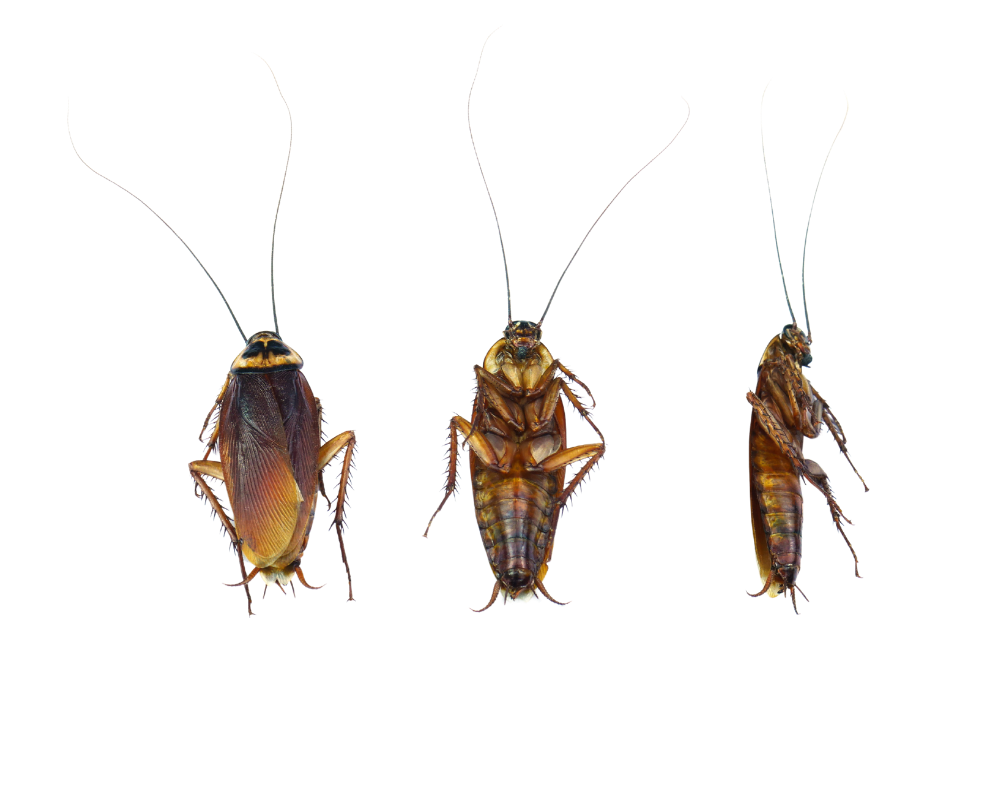
With so many bugs that look like roaches, how do you quickly decipher the who’s who of the insect world? First, look at their body type and antennae: roaches have oval-shaped, flat bodies and long, thin, and prominent antennae. Pay especially close attention to the insect’s head: roach heads are partially hidden by their shell-like body parts. Their legs are distinctive, too; they have six long, spiny, and quick-moving legs.
The insect’s behavior offers other useful clues. Roaches are fast, scurrying creatures that run when they see you or when you turn on the lights; they prefer dark, hidden places and dart into their hiding spots whenever they sense a hint of danger.
Their location also tells a tale; roaches frequent kitchens, bathrooms, basements, and areas near plumbing. You may find them inside cabinets or behind appliances. Roach imposters, such as crickets, are often found in garages; they chirp loudly and jump when they see you but don’t really scurry.
Beetles are more likely to be out in the open compared to roaches; they don’t really want to be inside, so you might find them looking for a way out. They probably won’t ask you for directions, but they may crawl along walls or head toward windows or doors.
We Nip All Kinds of Bugs in the Bud
Whether you have bugs that look like roaches or actual roaches, Kapture is here to help.
We address infestations of dozens of New Jersey species, including cockroaches, earwigs, crickets, mice, rats, mosquitoes, spiders, and more. We use fast-acting, eco-friendly, and safe solutions, offer same-day appointments, and protect your home through preventative maintenance. Contact us to learn more about our techniques and five-star service.