Jump To Section

Learn From The Pro's
Ants commonly commandeer kitchen counters and pantries. One of the most intelligent collective systems on Earth, they use pheromone trails to tell each other where to find food. This is good for their species but bad for your home! Fortunately, keeping ants’ antics out of the house isn’t impossible.
Ants in the Kitchen
Ants are among the most frequently encountered pests, and they’re especially attracted to places where chip bits, sugar cubes, and cheese morsels are abundant. This means ants in the kitchen are a common occurrence. You might see them crawling along countertops, in cabinets, on pantry shelves, or across the floor. While it’s possible to see a lone ant from time to time, it’s unusual: where there is one, there are often others.
In fact, ants are designed for communal dinners. They even use scout ants that wander off in search of food, using their powerful sense of smell (and random luck) to locate sweet foods, grease, fruit, spills, and more. When a scout ant finds something of interest, it heads back to the colony, laying down pheromone trails that serve as chemical breadcrumbs which allow it to find its way back and guide other ants toward the food. This is why things like soda spills attract piles of ants; the scout ant invites its friends.
Ants in the kitchen are the obvious outcome of the above, yet it’s not the only one. Ants also show up in garages, basements, rec rooms, and wherever food is consumed. They may also frequent bathrooms, as water is vital to their survival. Ants congregate outside as well, especially near trash cans (where old food can spill out), near barbecues (where they may seek grease), or near decks (particularly if you regularly eat outside). They seek out vegetation, too, as it gives them places to hide, shelter, and cover from predators.
Common Kitchen Ants in New Jersey
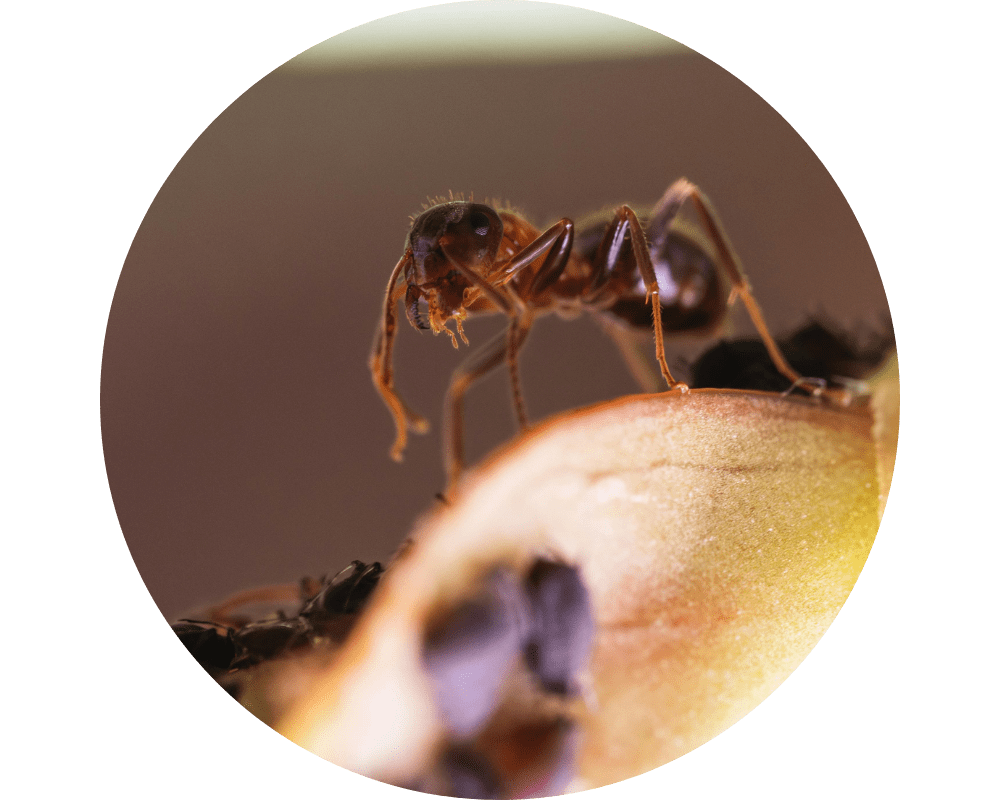
Ants in the kitchen don’t belong to one single ant species; they are quite diverse. In New Jersey, the ants most likely to ruin your dinner party include odorous house ants, pavement ants, carpenter ants, pharaoh ants, and acrobat ants. Although these ants vary in their behavior, nesting sites, and how they damage the home, they have one big thing in common: a giant sweet tooth.
Odorous house ants are tiny ants that invade homes regularly; they live up to their name when squished, emitting a foul odor that tells you . . . you should have captured them humanely instead.
Pavement ants also live up to their title; they nest beneath foundations, sidewalks, patios, and driveways and find their way indoors when looking for food.
Carpenter ants are one of the more destructive species; like termites, they can do expensive structural damage to your home. They don’t eat wood components (the way termites do), but they excavate it, digging tiny tunnels for their young. At first, this is unlikely to do much of anything; over time, however, it can threaten the integrity of fences, decks, subfloors, wooden playgrounds, and more.
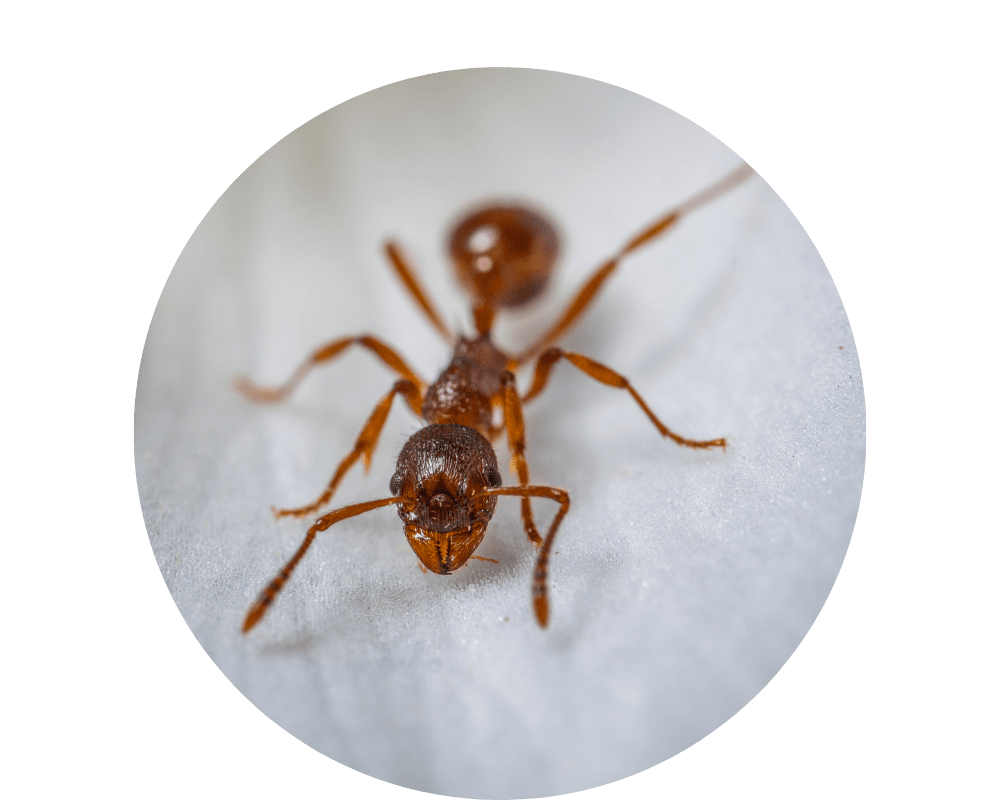
Pharaoh ants (aka sugar ants) establish colonies in warm and cozy homes (as well as commercial buildings). They are a unique group that has multiple queens (hundreds of them!), working together toward the common good of their species. They’re hard to get rid of, as they bud into new satellites when threatened, creating a cat-and-mouse game for DIYers.
How Fast Infestations Can Spiral
Ants in your kitchen don’t tend to stay there; rather, they expand into other areas of your home as colonies evolve. Long-standing colonies can contain thousands of ants indoors (and billions out in the wild), depending on space and access.
The most visible ants, the ones you see walking across your kitchen table or climbing on your dining room wall, tend to be worker ants, ants that can be killed, caught, or relocated without threatening the colony. All the while, the queen stays hidden and protected, producing more workers in the process.
This means even small infestations can spiral out of control, even when you treat the ants you see. Within hours, a few ants can turn into a few dozen. Within days, ants can establish regular trails leading into your home. Within weeks, some species can set up nests and start building their colony. Certain ants do this faster than others; pharaoh ants, for example, grow their colonies quickly, while carpenter ants develop theirs at a much slower rate. For the latter, it can take several years before a problematic infestation occurs.
How to Keep Ants Out of the Kitchen
To keep ants out of the kitchen, bathroom, and elsewhere in your home, limit attractants as much as possible. The main key is keeping counters, floors, and pantry shelves free of crumbs, spills, and other debris; garages, basements, and teenagers’ bedrooms are other hot spots.
Proper food storage is also important, and keeping sugar in a sealed container, cereal properly stored in a box, and pet food bags tightly closed reduces the allure of your home. Even with this, things happen . . . honey drips onto shelves, cinnamon spills out, and crackers escape their sleeves. Cleaning your pantry regularly (once a week or so) dramatically reduces the chance of ants.
Other ways to keep ants out include fixing leaky pipes, sealing cracks around foundations and siding, cutting back vegetation, and keeping windows and doors closed.